
The Innovation of Embossed Paper
Early Industrial Period
Previously, embossing was used solely for design or legal purposes. This changed in the industrial era.
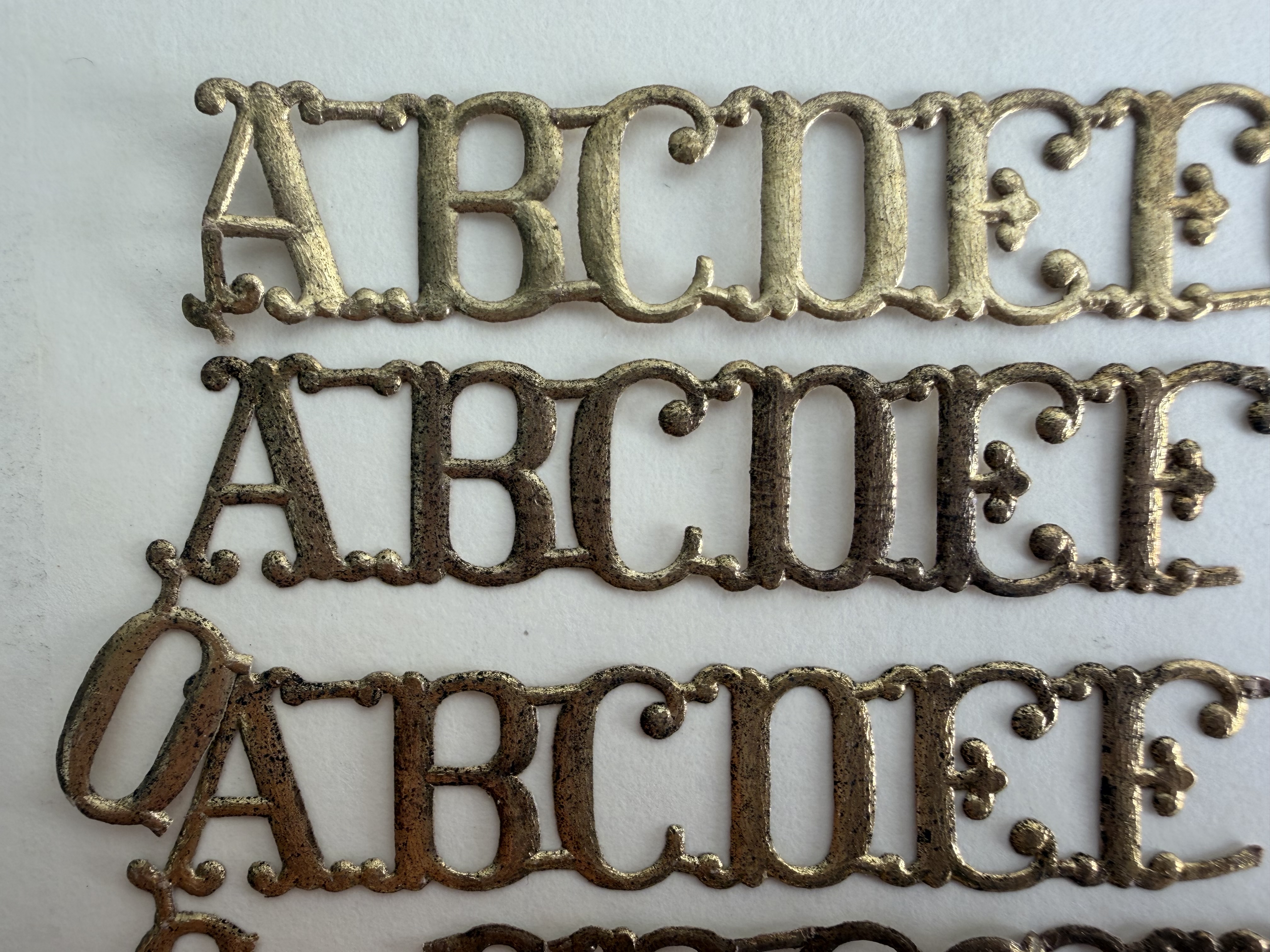
Valentin Hauy (1745-1822) was a French educator who explored alternate ways of teaching literacy to people with low or no vision. As an educator of the Enlightenment era, he lived in a time of intellectual shift. Disability began to be examined through the lens of science and logic rather than seen as a mystical or personal flaw. It is believed by historians that Hauy took interest in this topic after seeing how blind people were mocked in public. With this he founded the first school for the blind, the Royal Institute for Blind Youth, (now known as the National Institute for Blind Youth) in 1784. Hauy’s method of tactile learning included using thick paper with wooden blocks to create embossed or raised lettering that his students could feel. With this, they were able to learn the shapes of each letter and read sentences. This method was not without issues: as cost was high and scale was low, however it represented a path giving blind people a chance to educate themselves.
Early Nineteenth Century
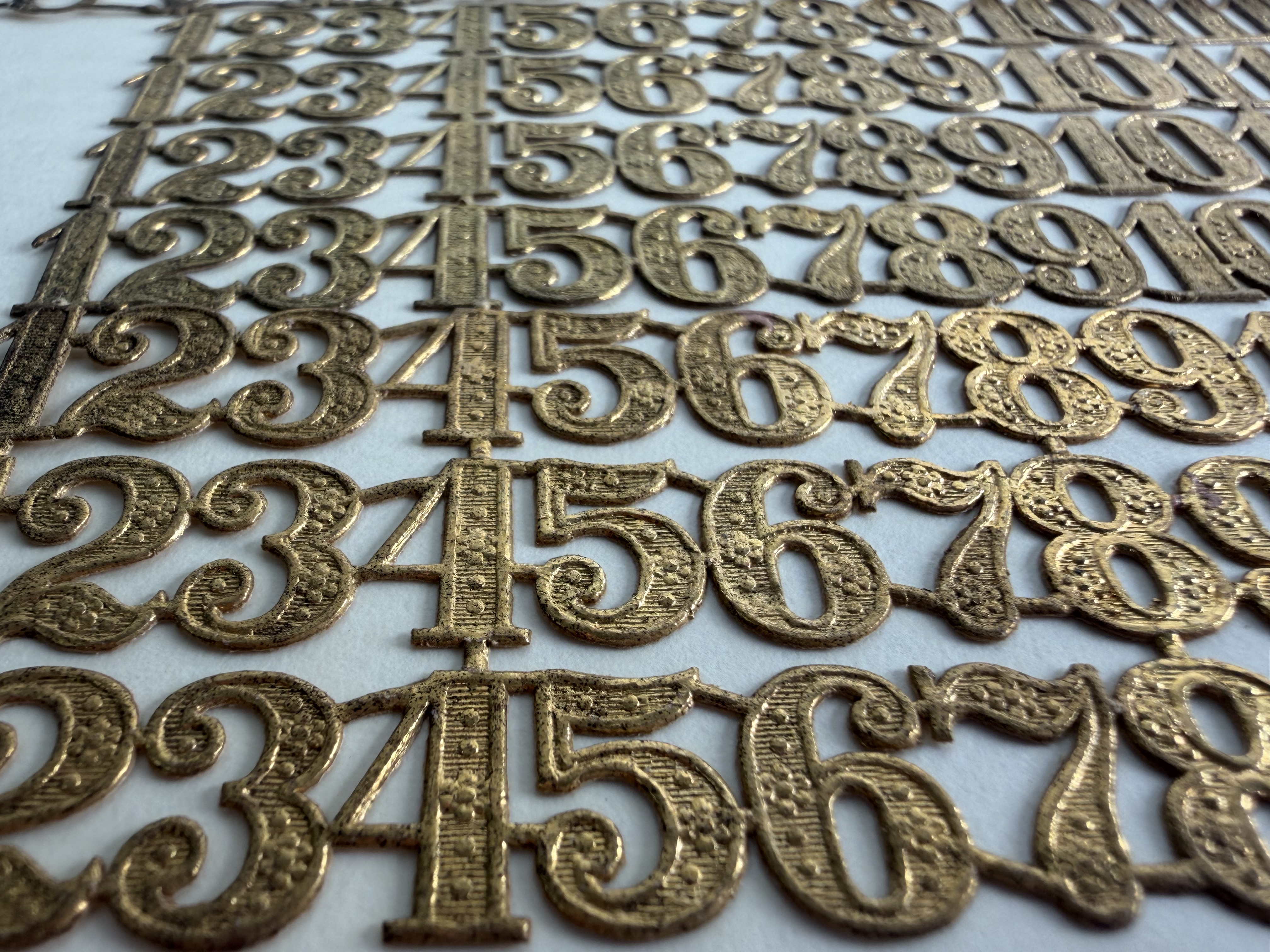
Although Hauy was an innovator in blind literacy, the lack of a writing system for blind persons and the amount of time it took to read embossed lettering inspired others to build on his ideas.
In 1807, Johann Wilhelm Klein of Vienna invented the Klein type to further the efforts in educating blind people. Around 1815, Captain Charles Barbier of France devised a sightless literary system called “night writing” to assist soldiers in reading and writing in the dark, using raised letters.
Though it was not specifically designed for the education of the visually-impaired, this invention would aid in the later development of blind and low-vision education efforts. In 1816, Sébastien Guillié would design a system of round-hand type using the printing press based on Huay’s system.
Pre-Victorian Era
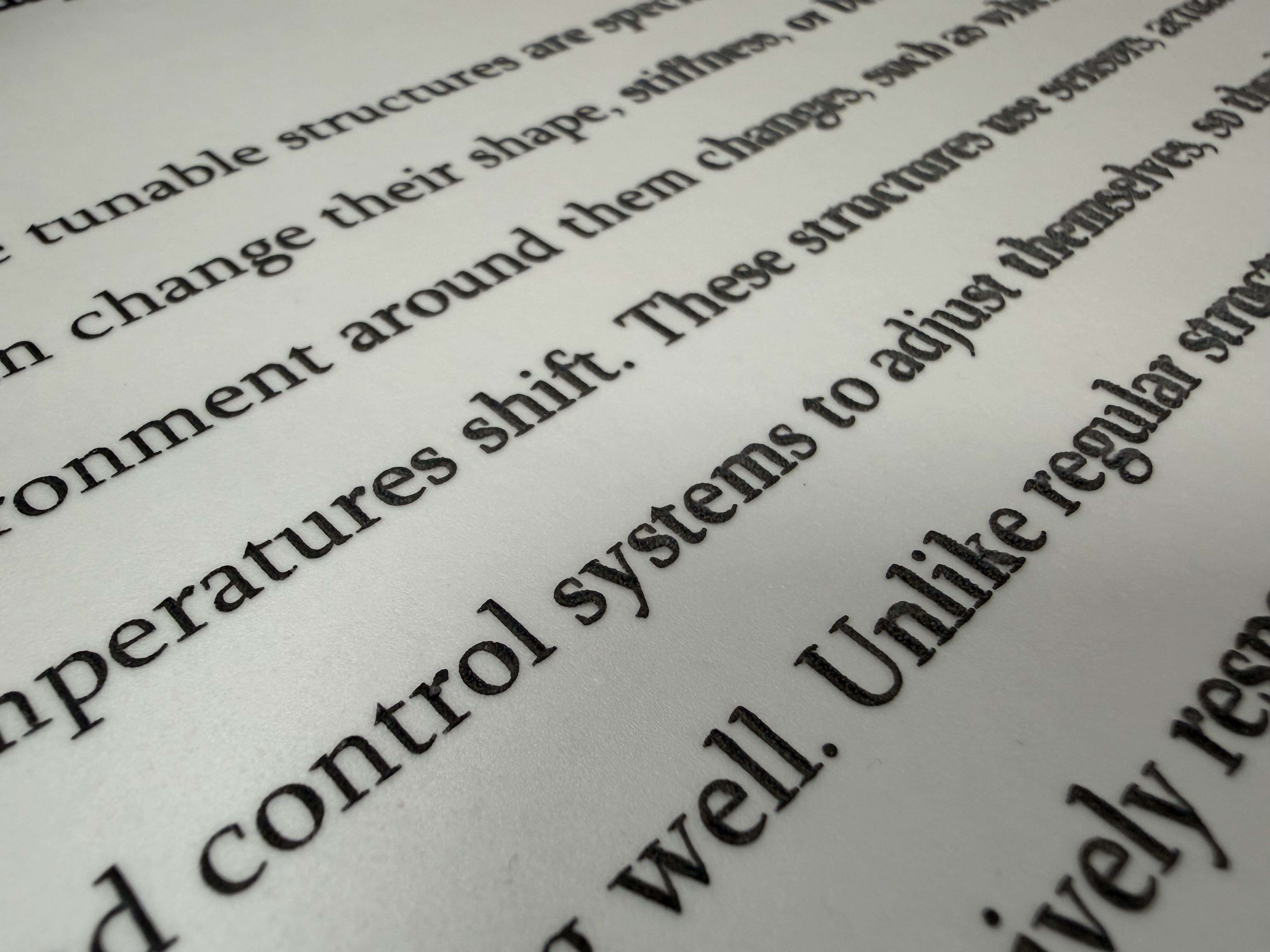
Innovation in tactile learning led to the creation of Braille, which had ways to convey numbers and punctuation through raised dots.
By 1921 the Charles Barbier night writing was widely adopted in France. As a student Louis Braille was introduced to the limitations of the available writing types. This led 15-year-old Braille to develop a Barbier-inspired system of tactile dots to further literacy for blind people in 1824. This system provided a simpler way to read and write that included numbers and punctuation. In Britain in 1827, publisher James Gall produced a book for the blind using raised angular type. By 1829, Louis Braille published a book outlining the tactile reading system that he designed, titled “Procedure for Writing Words, Music, and Plainsong in Dots”. It was made in the Huay embossed lettering style. These events lead to the “War of the Dots”, where innovators competed to further educational efforts for blind and vision-impaired people through the use of embossed paper.
War of the Dots
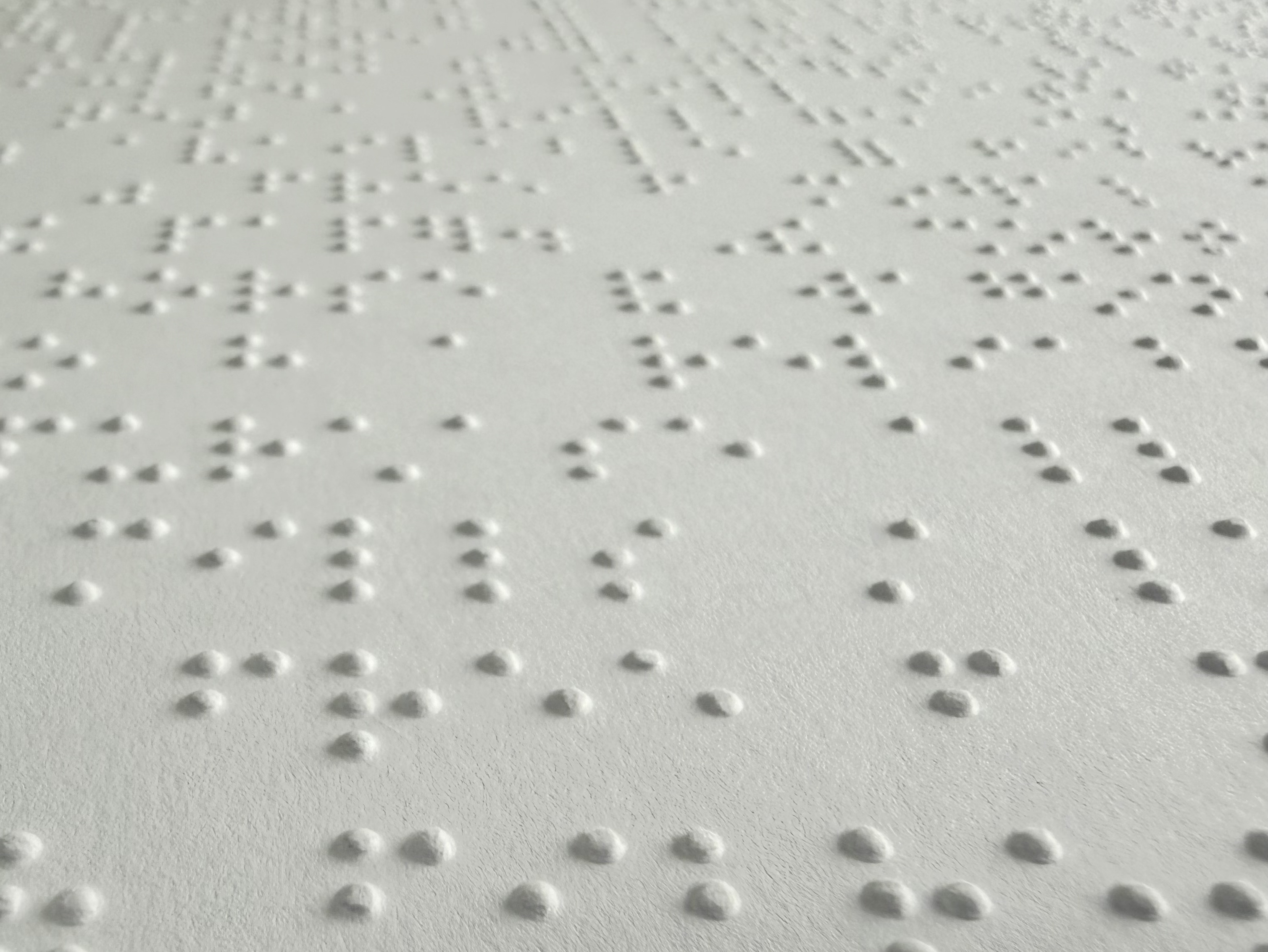
The influx of tactile writing systems caused competition between systems that spanned decades.
The War of the Dots (1829 - 1932) saw various developments in tactile literacy systems, starting with the publishing of the Braille guidebook, and the incorporation of the Perkins School for the Blind in the United States. By 1832, the Royal Scottish Society for the Arts created a formal competition among western nations to design an alphabet for the blind. In 1833, Jacob Snider of Pennsylvania produced the United States’ first raised-print book for the Pennsylvania Institute for the Instruction of the Blind. Two years later, Samuel Gridley Howe, director of the Perkins School for the Blind was credited with inventing Boston Line Type, a raised alphabet.
1870's Braille Developments
Developments in braille encouraged tactile writing systems in China.
Scottish missionary William Hill Murray created the Chinese Numeral Type as well as the first school for the blind in China (now named Beijing First School for the Blind). Murray created a braille-based system where the sounds of the language are represented by a number of embossed dots on paper, in grid formation. The system is based on the phonetics of Mandarin rather than direct character equivalents. This allowed both the blind and illiterate populations of China to gain literacy, as it simplified the written language enough to be learned easily by sighted and blind people.
Although this system is no longer in use, it helped develop standards for what accessibility could look like.
Post-War of the Dots, Modern Era
Embossing remains relevant in modern times whether for its usage in aesthetics, authenticity, or accessibility.
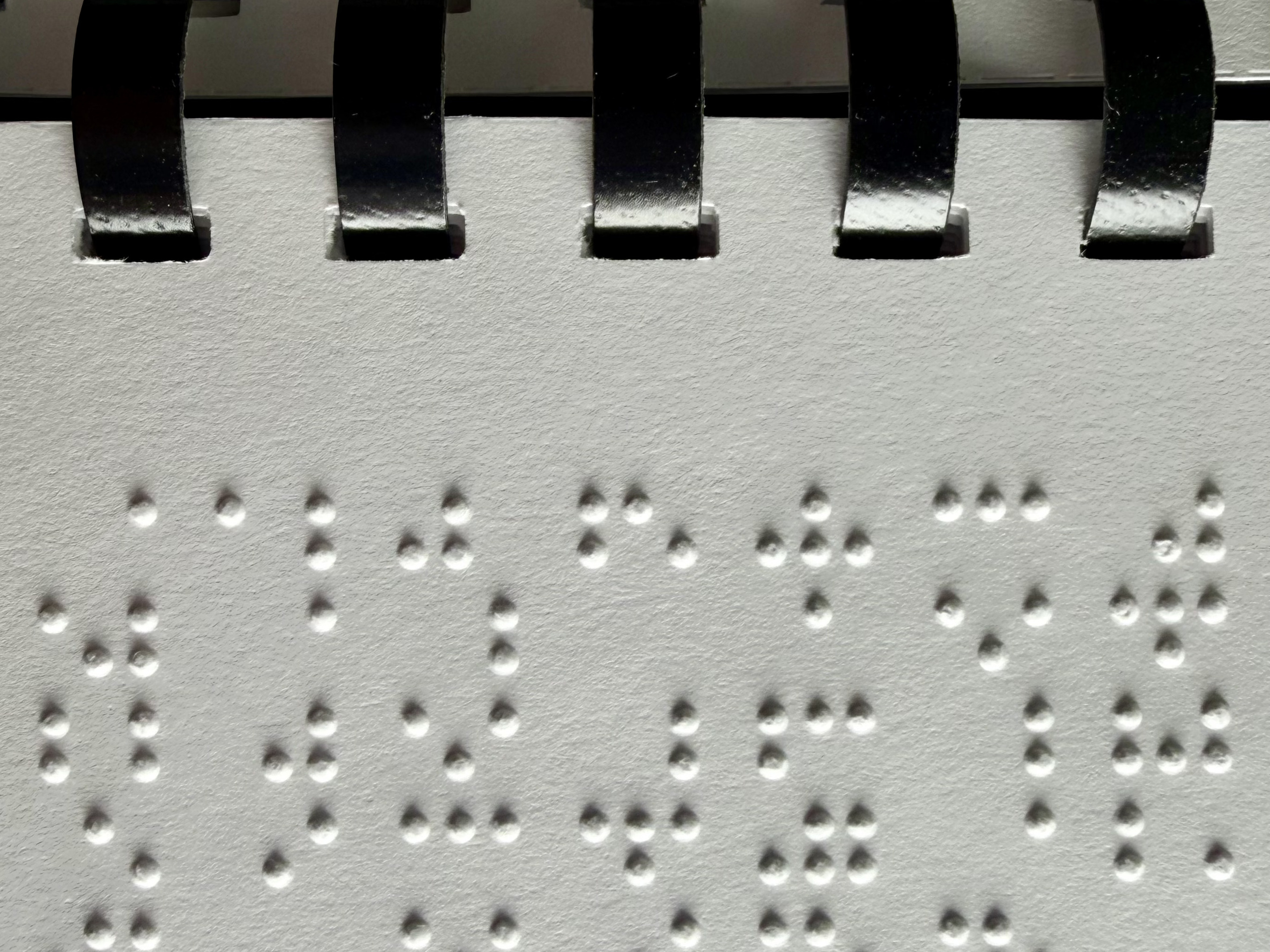
Innovation in 1892 led to the creation of Frank H. Hall’s braille writer, which allowed for the mechanical embossing of braille instead of manually pressing each letter. This allowed for braille books to be created quicker and at a higher volume.
In 1991, Dr. T. V. Cranmer and Dr. Abraham Nemeth began to push for the standardization of braille into a universal code for English Braille. Creating a way to merge braille systems was difficult, however the 2010s saw the creation and adoption of Unified English Braille (UEB). In 2012, the Braille Authority of North America (BANA) passed a motion to adopt Unified English Braille, with this motion being fully implemented four years later in 2016. Additionally, many countries in Africa, Asia, and Europe have applied for UEB.
In the twenty-first century, embossed materials underwent a revival, as they reappeared en masse in various stationery for design purposes. In 2021, the German iF design award was given for embossing on a water bottle to replace traditional labels, which is an aesthetic but also eco-friendly choice.
Embossing for accessibility has also been extended to design, as seen with Ann Cunningham’s embossed images in children’s books. These developments have helped accessibility be at the forefront of design, while also allowing us to better understand the way that people with unique sensory experiences perceive the world.