
The Innovation of Embossed Paper
Middle Ages
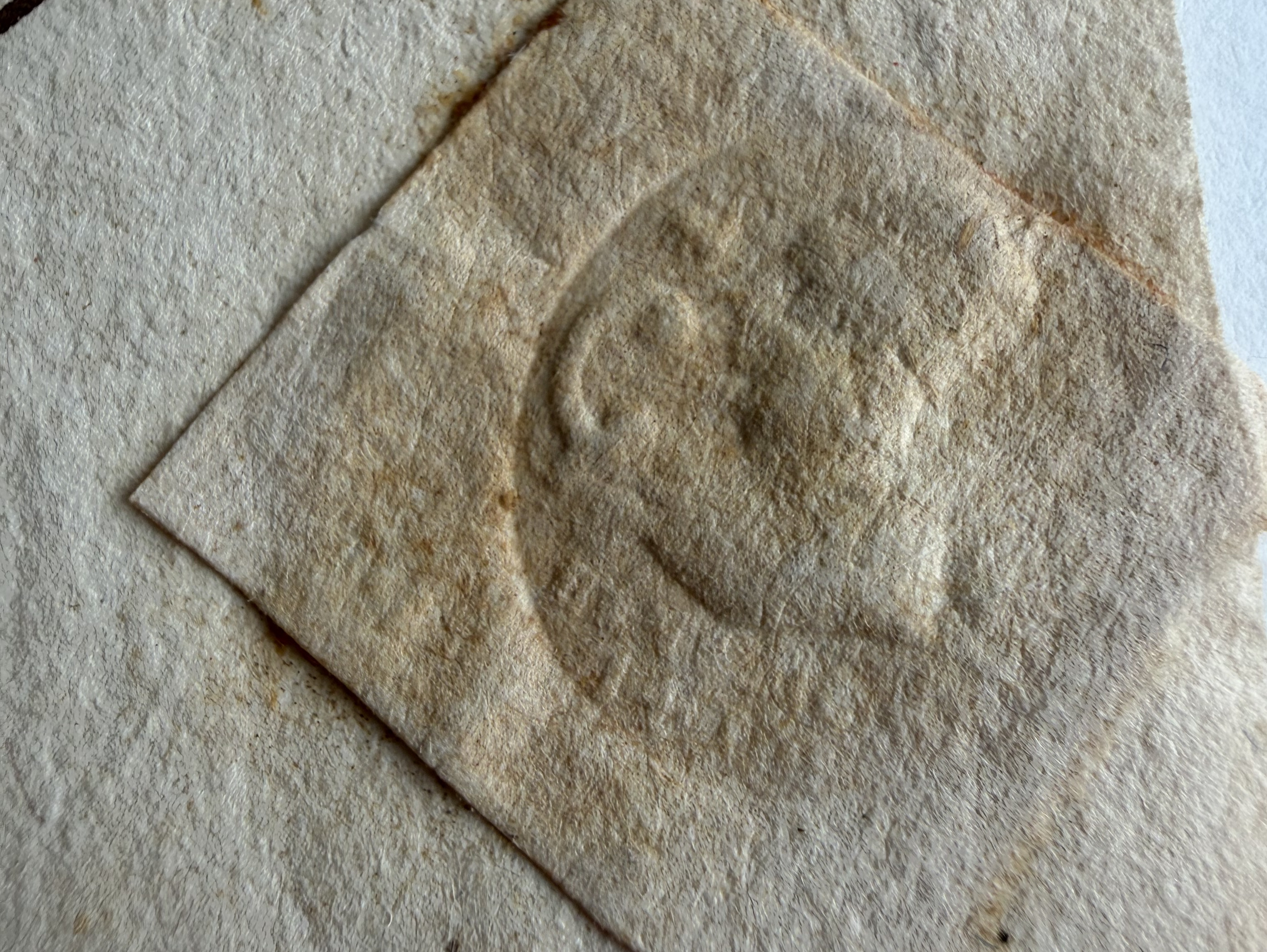
During this period, embossing became a legal signifier for legitimacy in the form of wax seals.
Between the 13th and 15th century, embossment for authentication purposes in Europe began. Wax seals were the legal and personal standard for documentation. Wax seals (in combination with hand-drawn Signums) on parchment were used as a legal stamp of authenticity and confidentiality. The embossed stamps were symbols of status due to how expensive they were to acquire. They served as a way to verify ownership and prove undeniable legitimacy in court.
Renaissance Period
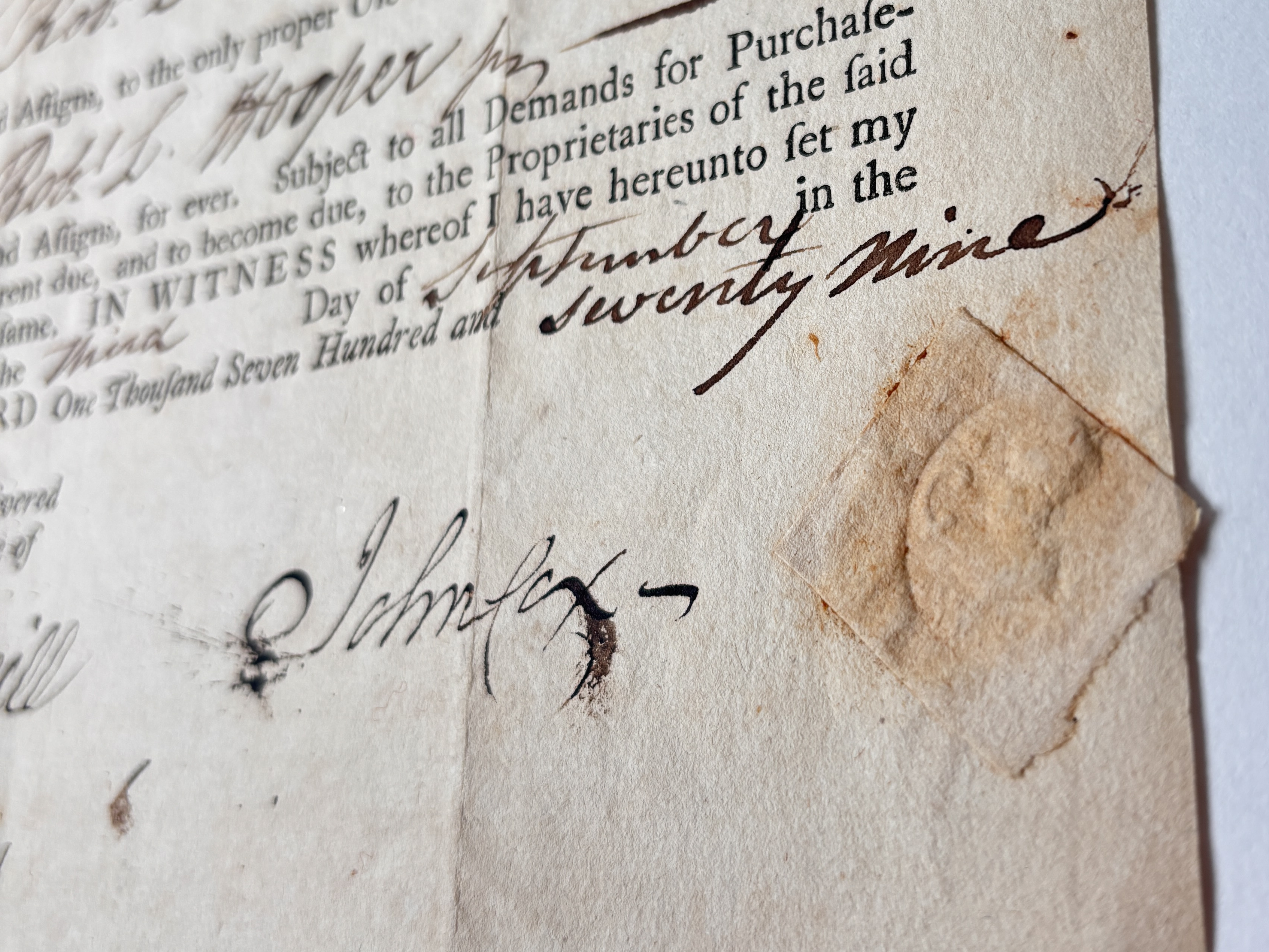
The 15th century welcomed the beginnings of widespread embossing with innovations in mechanical plates. This led to embossing on coins.
During this period, embossing was most often done on coins. To prevent currency fraud, governments began to emboss coins with signature raised designs. These unique imprints made it more difficult for forgery and worked to ensure the validity of the coin.
Rise of Printing and Embossing Production
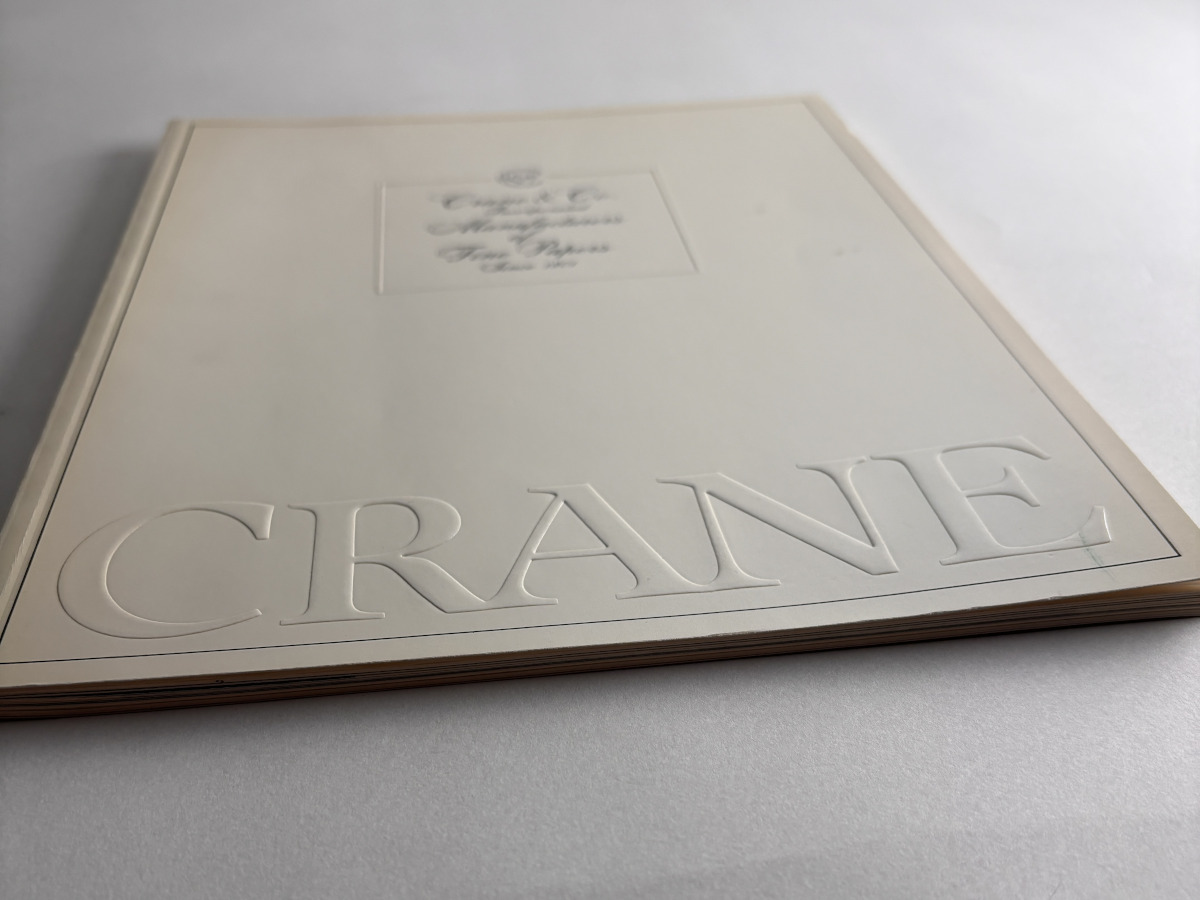
This time period saw an evolution of embossing for authenticating purposes not related to coins.
Prior to the 19th century, wax seals were the dominant way to certify documents. However, wax seals fell out of popularity in the mid 19th century with the introduction of embossed paper wafers. Wafers took less time and labor to attach to documents. Although the technology for embossing these wafers has evolved in the modern age, they remain a popular way for notaries to legitimize their documents.