Aibika
( Abelmoschus Manihot )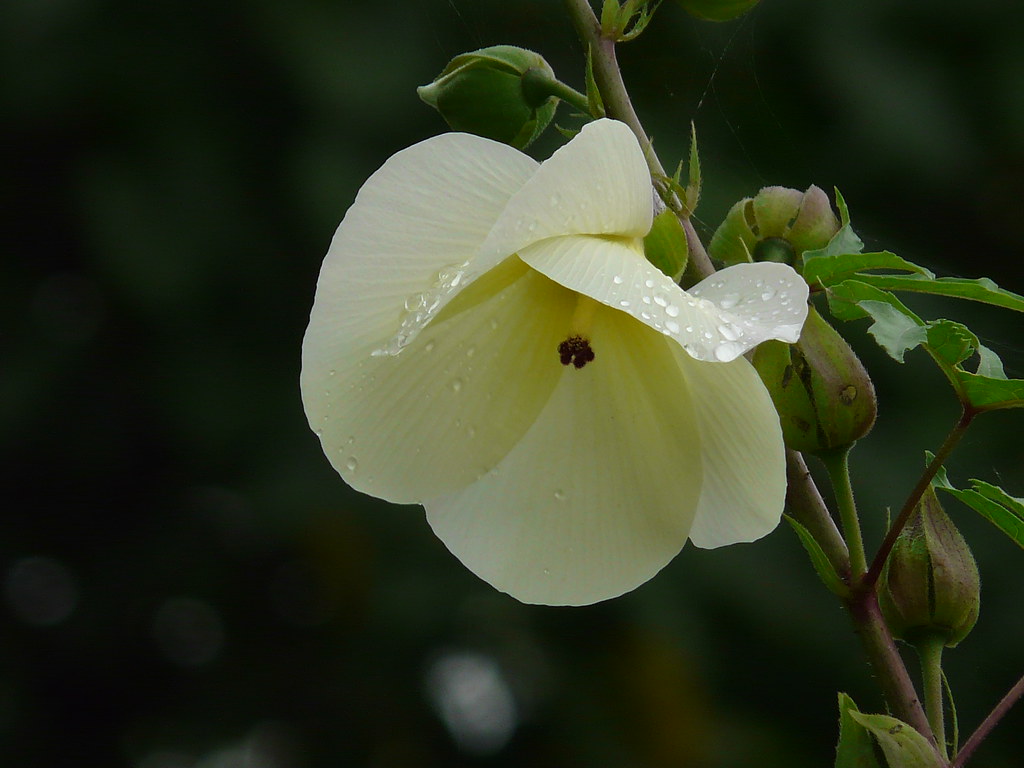
Quick Facts:
Planting and Care
Light: full sun
Soil: moist, well-drained loam
Prefers humid conditions. It easily self-seeds in the garden. Prune it to the ground in winter to rejuvenate growth in the spring. Use this plant in the back of the border, in a pollinator garden or in a vegetable garden. In cooler climates use it as an annual or in a container. It will also do well planted along streams, ponds and ditches. This plant is closely related to okra (Abelmoschus esculentus), and is susceptible to similar pests including aphids, slugs, and white flies.
Cultivation for Papermaking: In Japan, Tororo roots are raised annually from seeds, exclusively for papermaking. Seeds are planted in April or May, spacing the seeds about 10 centimeters apart. Later in the summer some leaves and the flowers are trimmed back to make the roots grow fatter.
Botanical Information
Height: 4-6 ft
Spread 2-3 ft
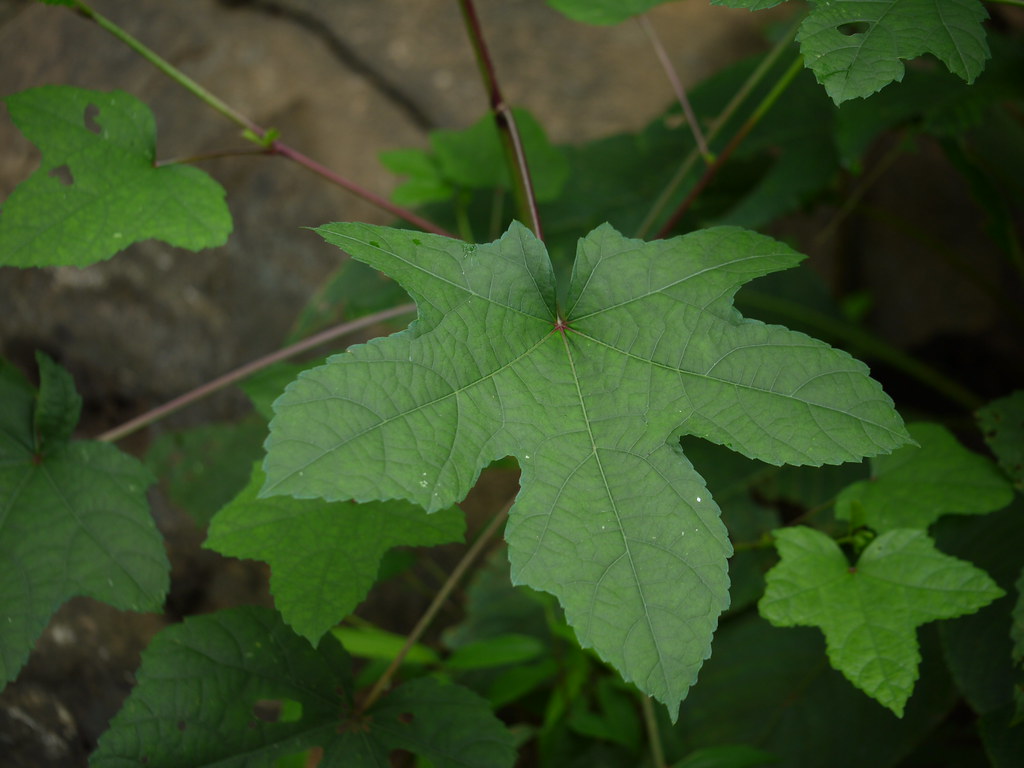
Aibika has sparse long bristles with alternate leaves. Its flowers can grow up to 6" across (15cm) and are pale or white with a contrasting dark purple eye bloom. This plant grows in valley brush or thickets along fields or ditches, and can be found growing along streams and ponds. It is attractive to butterflies and pollinators. Its leaves and flower buds can be eaten raw or cooked.
Papermaking/Natural Dye Uses and Processes
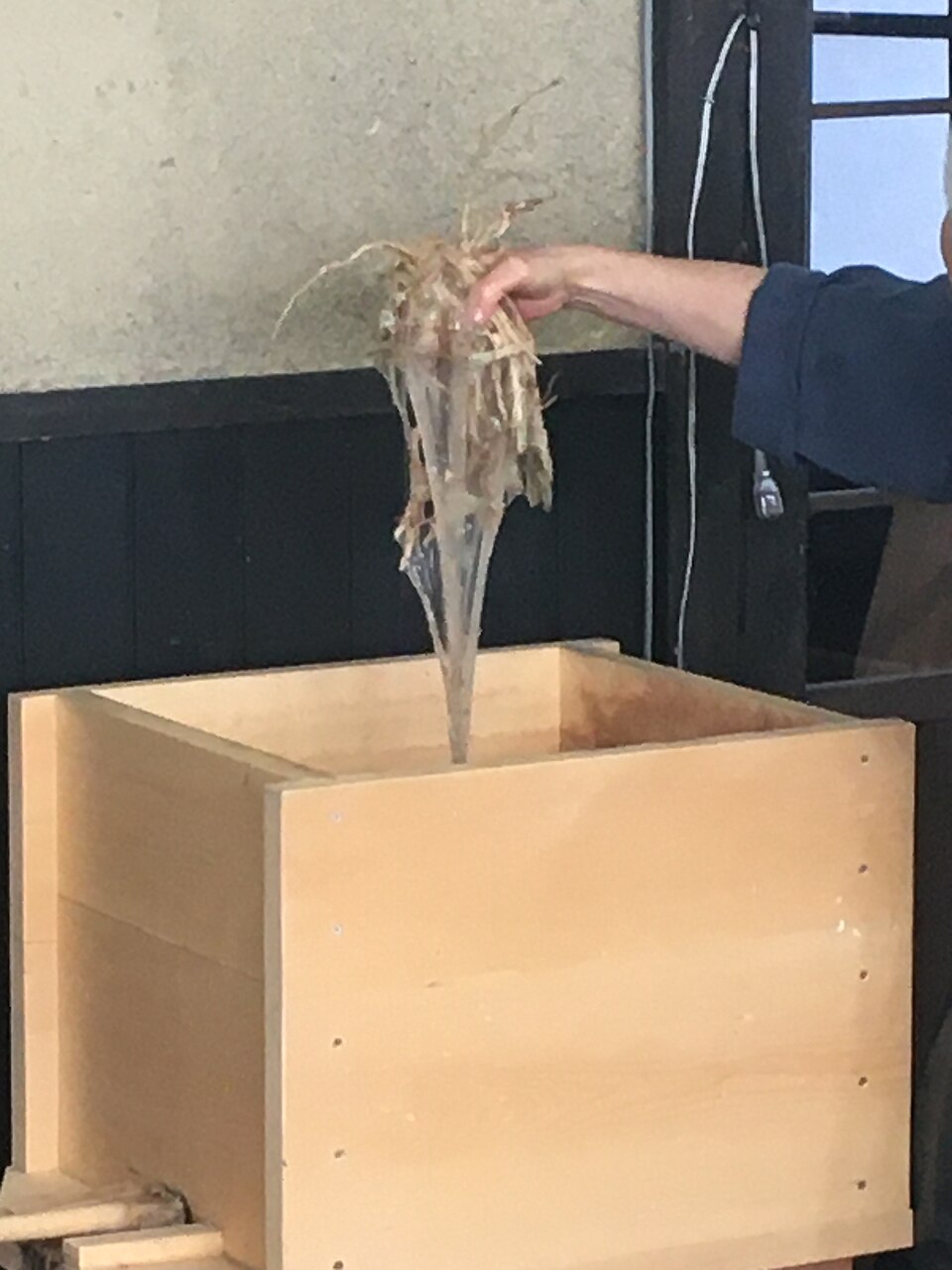
Japan's thin and fine sheets of paper (washi) are formed with the help of neri, a formation aid, produced from the Tororo-Aoi or Aibika (Abelmoschus manihot) plant. Neri helps deflocculate, or separate long bast fibers to control water drainage in Asian-style sheet formation.
To prepare the neri, tororo-aoi roots are washed and then thoroughly pounded. Once broken apart, the roots are soaked in water. Within a few hours the water takes on a thick, mucilage texture. The thick solution is then strained to remove root fibers.
To use aibika fiber for paper-making, process like other Malvaceae or Moraceae family fibers. Remove the leaves then steam or soak the branches. Then strip the fiber, soak for 24 hours, remove outer bark, soak and then cook 2-4 hours in an alkaline solution, ball mill 4 hours, or process with a hollander beater. After cooking, rinse fiber until water is clear. PH strips can be used to monitor the removal of cooking chemicals. Use proper protective coverings when handling cooking chemicals and solutions. It is recommended to cook outdoors or in very well ventilated area on an electric burner. Whenever preparing paper fibers designate a pot, utensils, and measuring implements solely for fiber cooking.
History and Culture
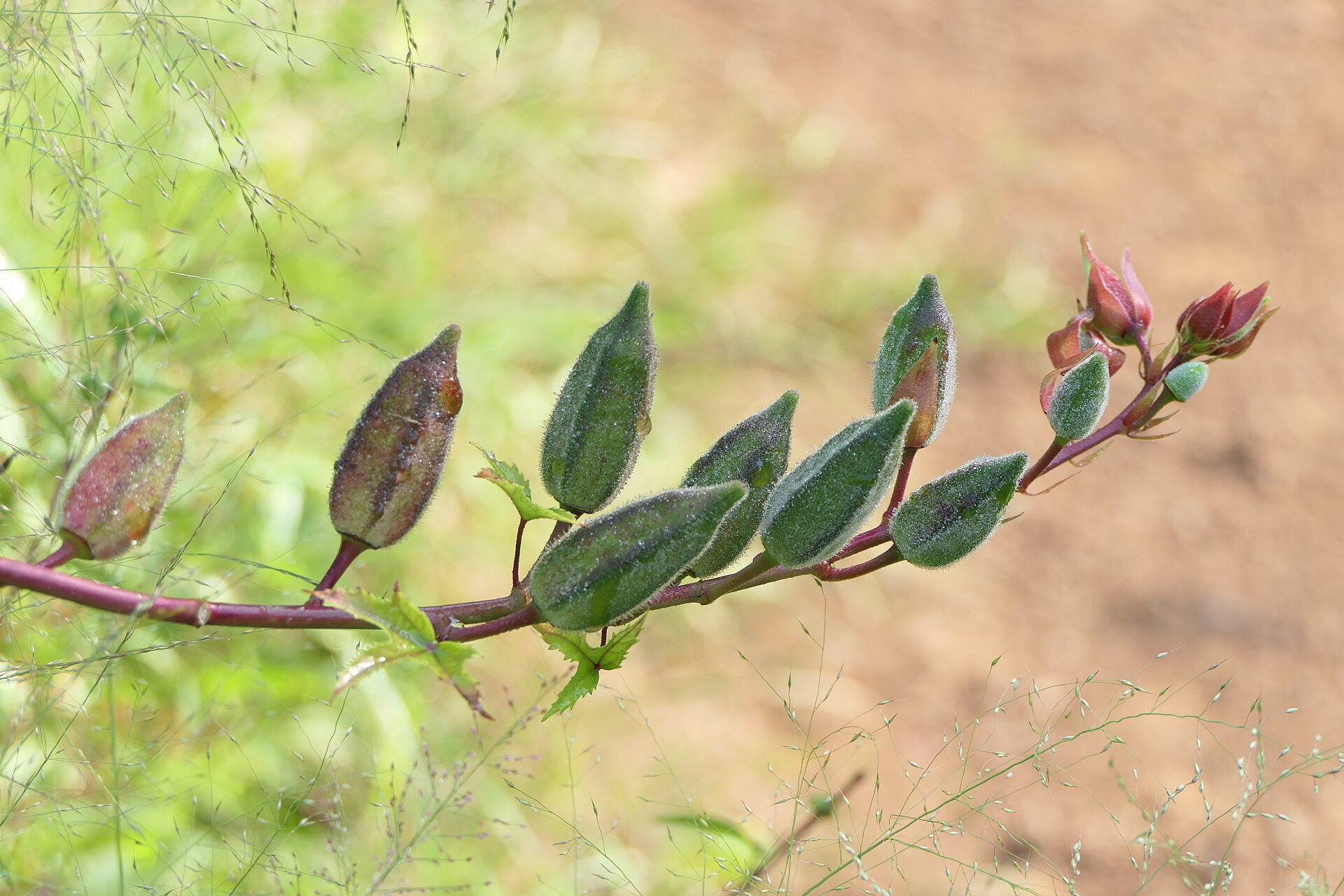
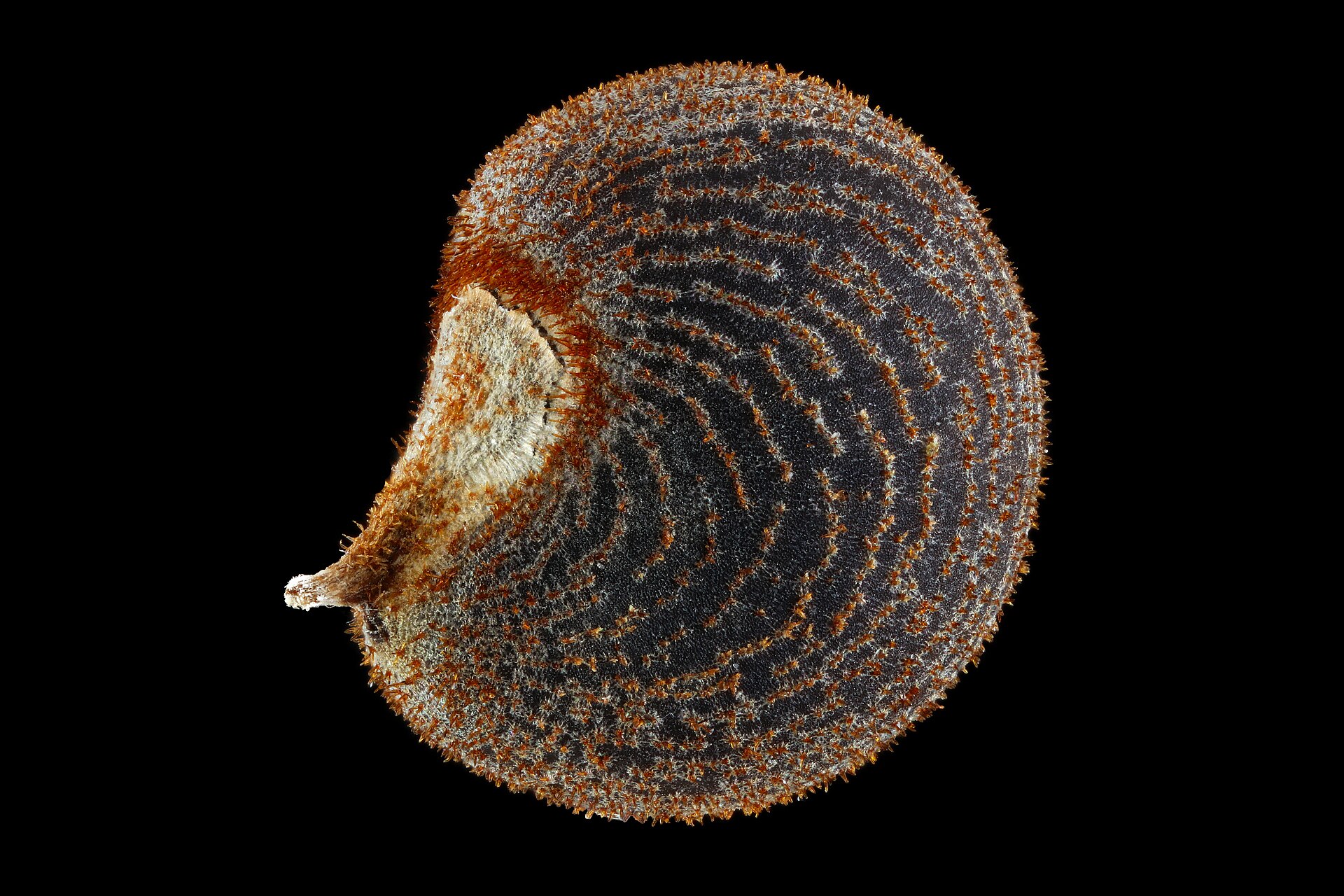
Aibika is used in pharmacology for burns, injuries, or lung pain/cough. The genus name (abelmoschus) is believed to come from the Arabic and means "source of musk" in reference to the musky smell of the fruit capsules. The common name muskmallow refers to the seeds, which have a musky odor and have been used in perfumery. Aibika bark and sap are used in herbal medicine.