
Living Exhibition Plant Catalog
Explore traditional papermaking and natural dye plants that grow in our garden! Examples will be added overtime to the physical beds. Please note that this is not a complete list of all papermaking and natural dye plants.
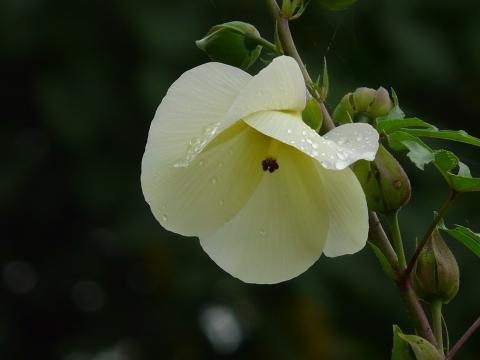
Aibika
Type: Annual, Herbaceous
Family: Malvaceae
Uses in Papermaking and Dye
Japan's thin and fine sheets of paper (washi) are formed with the help of neri, a formation aid, produced from the Tororo-Aoi or Aibika (Abelmoschus manihot) plant. Neri helps deflocculate, or separate long bast fibers to control water drainage in Asian-style sheet formation.
To prepare the neri, tororo-aoi roots are washed and…
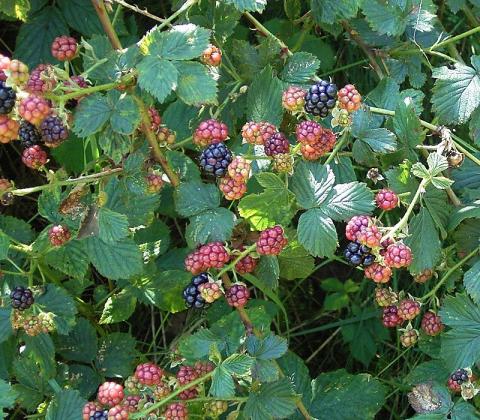
Blackberry
Type: Perennial Flowering, Fruiting Shrub
Family: Rosaceae
Uses in Papermaking and Dye
Fiber Processing: Canes and branches are harvested after fruiting in late summer. Thorns are removed and fibers stripped immediately. Fibers are cooked in lye or other alkaline solution for approximately two hours before being beaten by hand or in ball mill for 3 hours. Rinse fiber until water is clear. PH strips can be used to monitor the…
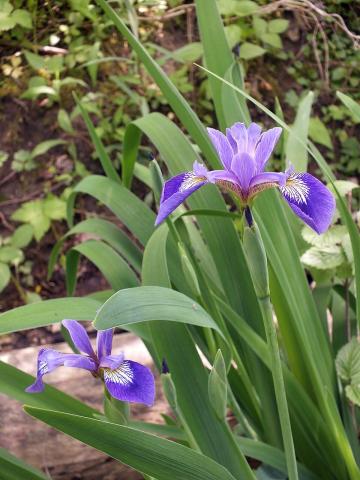
Blue Flag Iris
Type: Herbaceous Perennial Flower
Family: Iridaceae
Uses in Papermaking and Dye
Several native sub species of blue flag irises in North America including Iris missouriensis and Iris versicolor; in the south east US, Iris verginica and Iris tridentata can be used.
Fiber Processing: Iris provides "fine and silky" leaf fibers that are strong and flexible. Collect leaves in fall (brown) or green after…
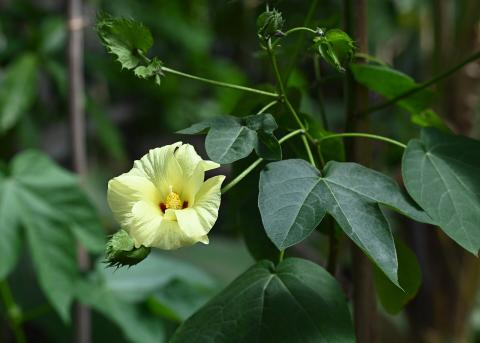
Brown Cotton, Upland Cotton
Type: Annual/Perennial shrub
Family: Malvaceae
Uses in Papermaking and Dye
Cotton is one of the most important plant fibers in papermaking due to its high cellulose content (up to 90%) and low lignin levels. Fibers are long, strong, and flexible, producing thin yet durable sheets with minimal shrinkage. This makes cotton especially valued for archival and high-quality papers.
Fiber Processing: Pulping raw…
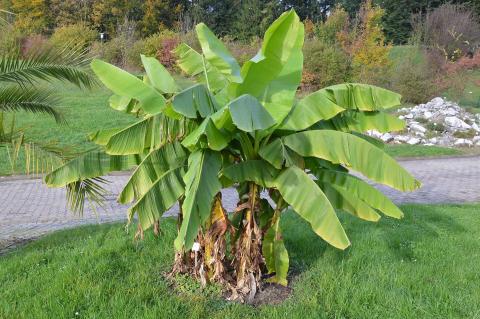
Cold Hardy Banana
Type: Perennial, Suckering Herb
Family: Musaceae
Uses in Papermaking and Dye
Primarily cultivated for fiber (known as Manila hemp) used in paper, textiles, and ornamentation. Fibers can reach up to 2.7 meters and are strong, coarse, and white; producing translucent papers valued in artistic and interior applications such as lanterns and shoji screens. The finest fibers are harvested from leaf sheaths immediately after…
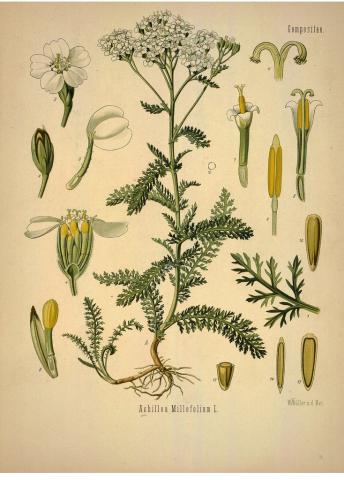
Common Yarrow
Type: Herbaceous Perennial
Family: Asteraceae
Uses in Papermaking and Dye
Common yarrow (Achillea millefolium) produces a green-yellow dye. Approximately 10–15 flower heads are needed per dye batch. When harvesting, whole flower heads should be cut while leaving the foliage intact to allow further flowering.
To prepare the dye, remove the flowers from the stems and simmer them for 1 hour. They can be left to…
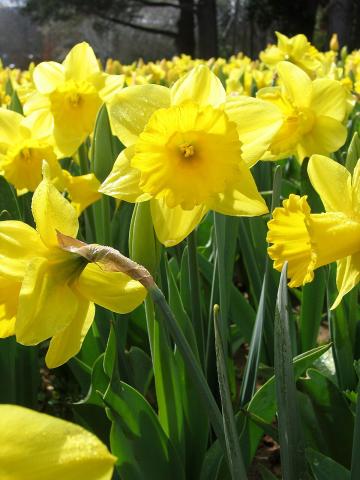
Daffodils
Type: Herbaceous Perennial Flower
Family: Amaryllidaceae
Uses in Papermaking and Dye
Fiber Processing: Daffodil leaves are easy to process in to paper. They produce a tender, short-fibered pulp that yields a crinkly, translucent paper similar in appearance to traditional bark paper Amate. The fibers have low tensile strength and are delicate. For papermaking, collect leaves after blooms wilt; soak leaves and stems overnight in…
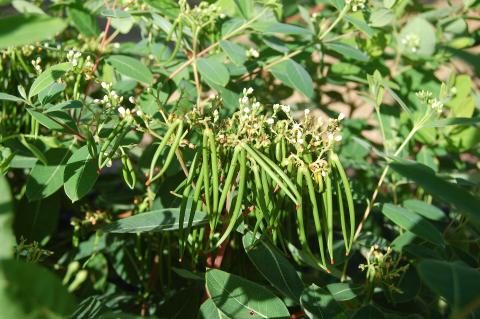
Dogbane, Indian Hemp
Type: Herbaceous Perennial
Family: Apocynaceae
Uses in Papermaking and Dye
Dogbane produces strong bast fibers from the stem similar to hemp and milkweed. Historically, it was one of the most important indigenous fiber plants in North America for cordage, thread, nets, and textiles. Like milkweed, both fresh and dried stalks can be processed into papermaking fiber. Seed floss may also be incorporated into paper pulp…
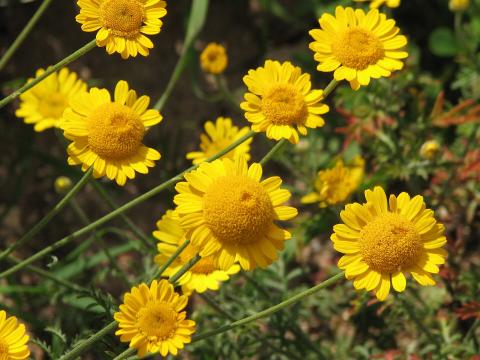
Dyer's Chamomile
Type: Herbaceous Perennial
Family: Asteraceae
Uses in Papermaking and Dye
Chamomile is a part of the daisy family and produces a yellow dye. Once the flowers are simmered, the solution cooled, and solids strained out, and mordanted fiber or fabric is then added and simmered until the desired color is achieved. Flowers can be collected as they bloom and frozen until a sufficient quantity has accumulated.
To…
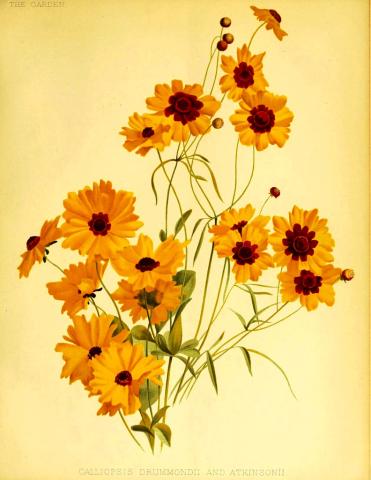
Dyer's Coreopsis
Type: Herbaceous Perennial
Family: Asteraceae
Uses in Papermaking and Dye
Although Dyer’s Coreopsis (Coreopsis Tinctoria) is the most common variety of Coreopsis used for natural dye, many varieties can be used. The museum planted Threadleaf Coreopsis in the circular planter due to its more compact size and fuller appearance. However, Dyer's Coreopsis is planted in the larger garden bed.
Coreopsis…
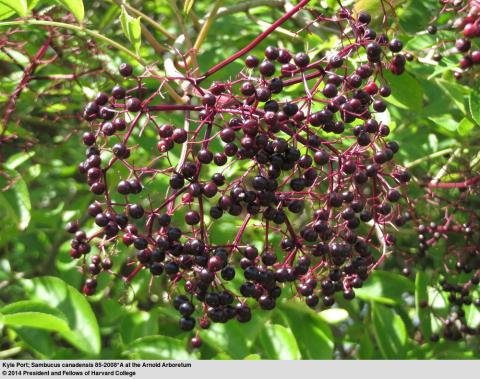
Elderberry
Type: Deciduous Shrub
Family: Viburnaceae
Uses in Papermaking and Dye
Crushed elderberries produce a dark blue-purple dye, though it will fade with sunlight and washing without a mordant. When harvesting berries for dye, cutting whole sprigs with scissors is recommended over picking individual berries, both for convenience and to leave sufficient fruit for wildlife. If harvesting flowers, enough should be left on…
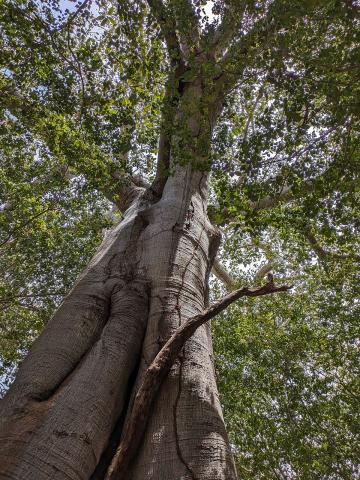
Fig
Type: Deciduous tree
Family: Moraceae
Uses in Papermaking and Dye
Ficus is the primary source for traditional Aztec & Mayan Amate paper. Unlike macerated pulp paper, amate is created by felting the inner bark . The fiber is also used for papermaking
Fiber Processing: Bark is more easily stripped during spring/early summer months when sap flow is at its height and allows for easier debarking.…
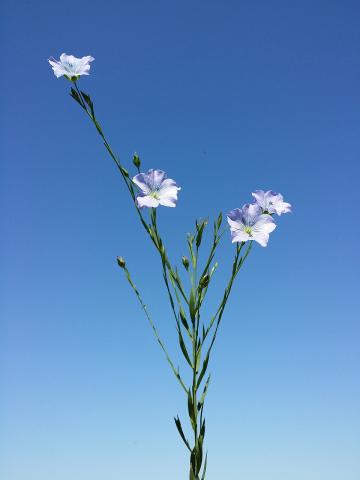
Flax, Linseed
Type: Annual Herb or Perennial Weed
Family: Linaceae
Uses in Papermaking and Dye
Paper made from flax pulp is known for its wet-web strength and good tear & fold strength. It has a fiber length of approximately 1-3 mm
Raw Linen: Stalks are harvested, and the seedpods threshed and saved for the next season. Then the stalks are retted for up to two weeks. From here, two distinct methods emerge:
Fabric…
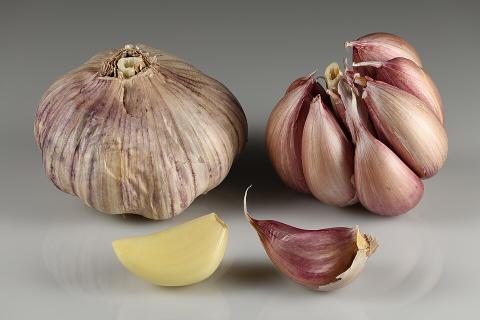
Garlic
Type: Herbaceous
Family: Amaryllidaceae
Uses in Papermaking and Dye
The papery outer skins of garlic bulbs produce soft beige, tan, or pale yellow tones when simmered in water, especially on natural fibers like cotton, wool, or silk. Garlic is also valued for its sulfur compounds, which can help influence how other plant dyes bond to fabric and may subtly alter final colors.
Garlic skins, like onion…
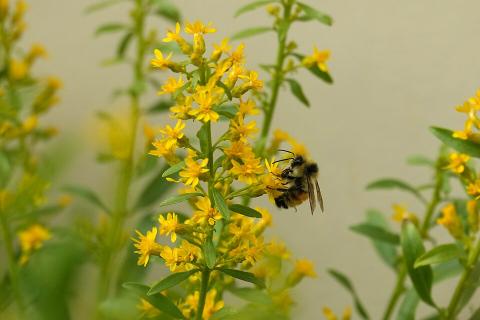
Goldenrod
Type: Herbaceous Perennial
Family: Asteraceae
Uses in Papermaking and Dye
Although Showy Goldenrod (Solidago Speciosa) is the most common variety of Goldenrod used for natural dye, several native varieties of Goldenrod can be used for dye, such as Fireworks Goldenrod (Solidago Fireworks), Grey Goldenrod (Solidago Nemoralis) and others. The museum planted Fireworks Goldenrod in the circular planter due to its more…
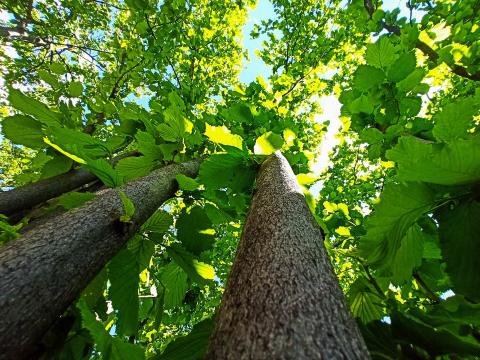
Hazelnut
Type: Deciduous tree
Family: Betulaceae
Uses in Papermaking and Dye
Hazelnut pulp is comparable to other hardwood pulps, featuring a high cellulose-to-lignin ratio similar to mulberry.
Fiber Processing: Select branches in autumn after seeds have dropped. Remove leaves. Steam branches to strip the bark. Separate the outer dark bark and discard, keeping only the lighter inner bark (bast fiber). Soak fiber…
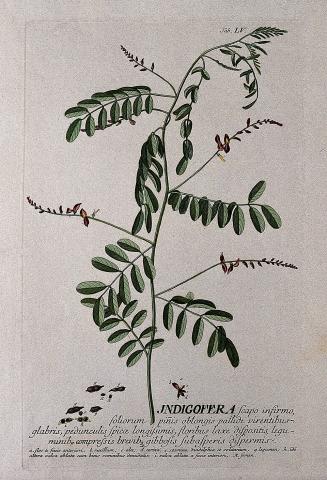
Japanese Indigo
Type: Herbaceous Perennial
Family: Polygonaceae
Uses in Papermaking and Dye
Indigo powder, or Indigotin is not soluble in water. To use it for dyeing it must be chemically reduced to a water soluble form called indigo white. When paper or fiber is added to an indigo vat (which is yellowish-green in color) and then removed, a molecular combination occurs. The indigo white oxidizes back to the insoluble blue form, where…
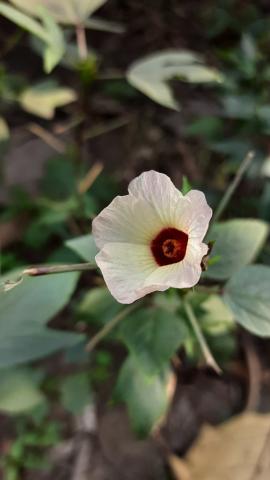
Kenaf
Type: Annual, Herbaceous
Family: Malvaceae
Uses in Papermaking and Dye
Fiber from kenaf comprises the outer bast fibers and the inner core (wood) fibers. Fiber is processed in a similar manner to paper mulberry plants in the Moraceae family.
Fiber Processing: Bark is more easily stripped during spring/early summer months when sap flow is at it's height and allows for easier debarking. Parallel…
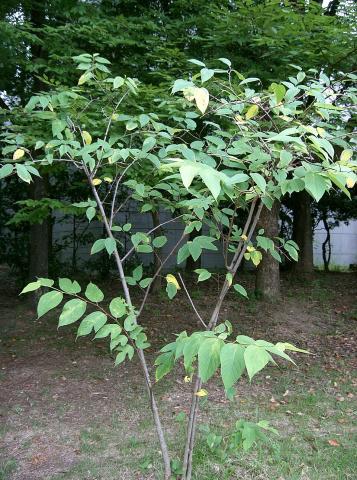
Kozo
Type: Perennial Shrub/Tree
Family: Moraceae
Uses in Papermaking and Dye
Kozo is a primary bast fiber used in traditional Japanese papermaking due to its long, strong cellulose fibers.
Branches are harvested annually in the fall, dried, and steamed to separate bark from woody core. The outer bark contains usable fiber, while inner wood is discarded. The outer bark can also be removed in late spring/ early…
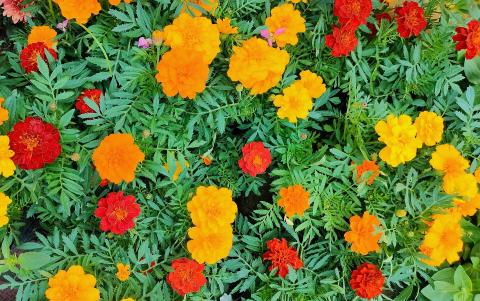
Marigold
Type: Herbaceous perennial or annual flower
Family: Asteraceae
Uses in Papermaking and Dye
Dye can be extracted from fresh, frozen, or dried blooms. Once processed, dried or frozen blooms can be held and extracted for dye for up to a year.
To create the dye, chop the flowers and heat them in water to a simmer for 1 hour. Do not boil the mixture; ensure the temperature stays at or below 176°F, then strain. Flowers with deeper…