Cold Hardy Banana
( Musa Basjoo )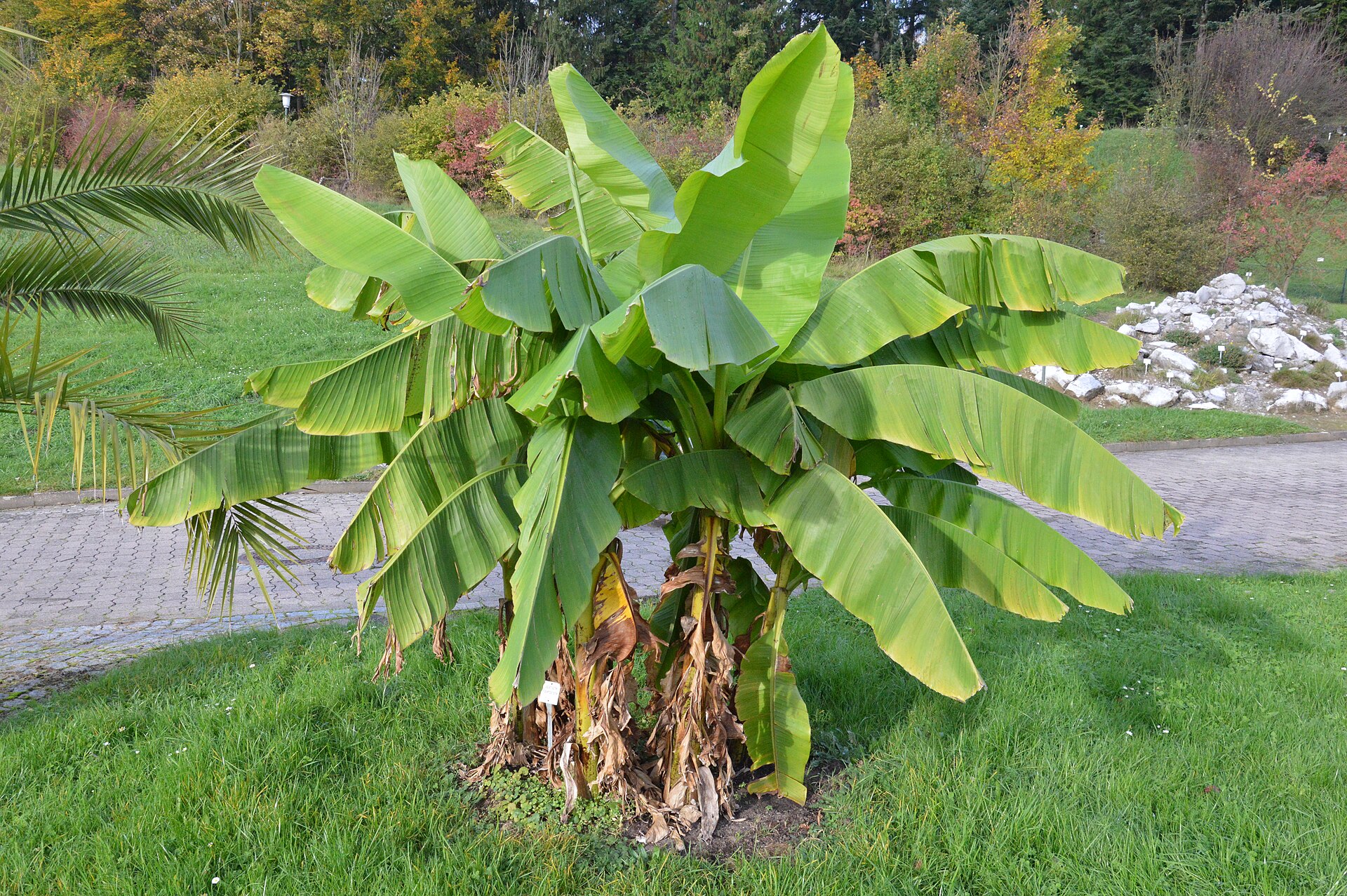
Quick Facts:
Planting and Care
Light: full sun to partial shade
Water: moderate
Soil: well-drained
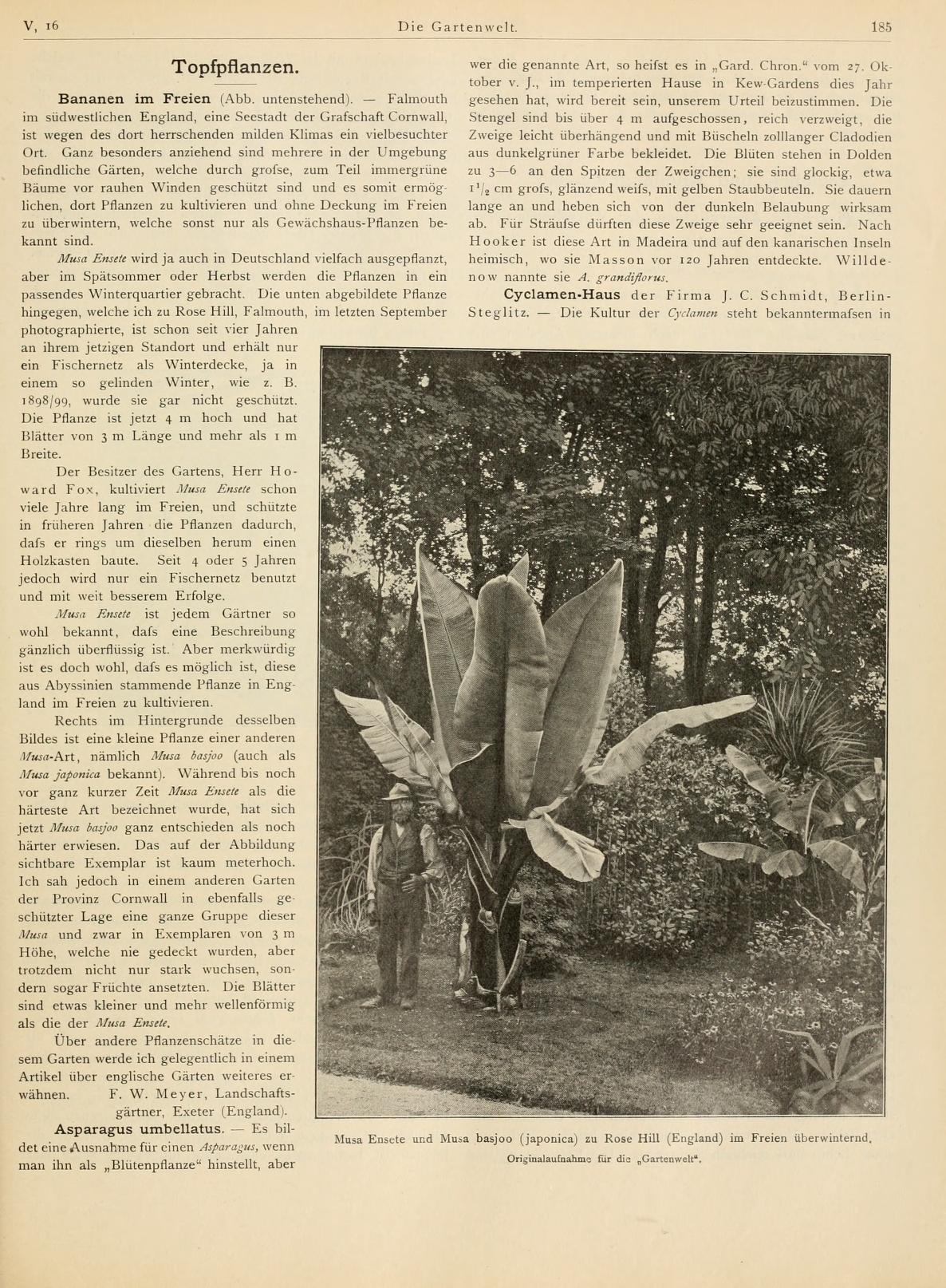
Shelter from strong winds and hard freezes; leaves are delicate and die with frost.
Propagation: suckers that grow from rhizomes or the base of the plant, best done in spring.
Growth rate: Grows quickly and can reach full size within a single growing season
Lifespan: several years
Botanical Information
Height- 6-14 ft
Spread: 6-14 ft
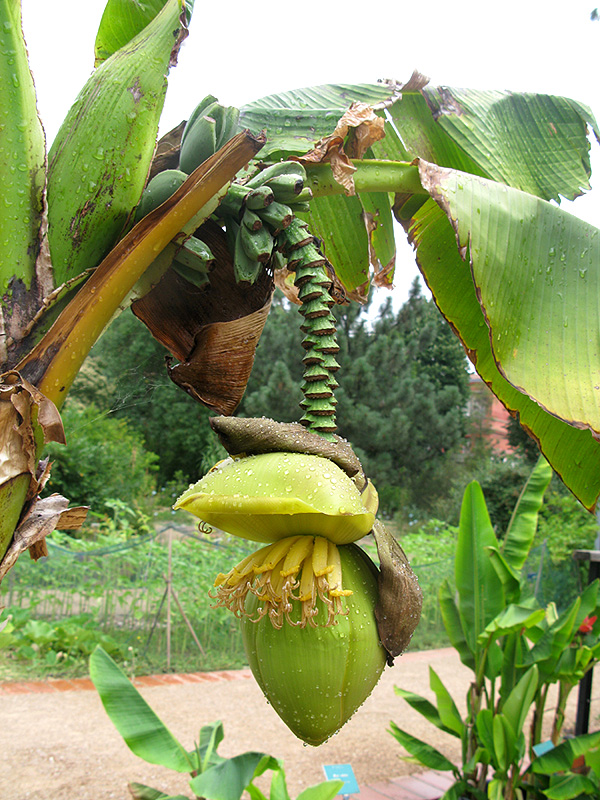
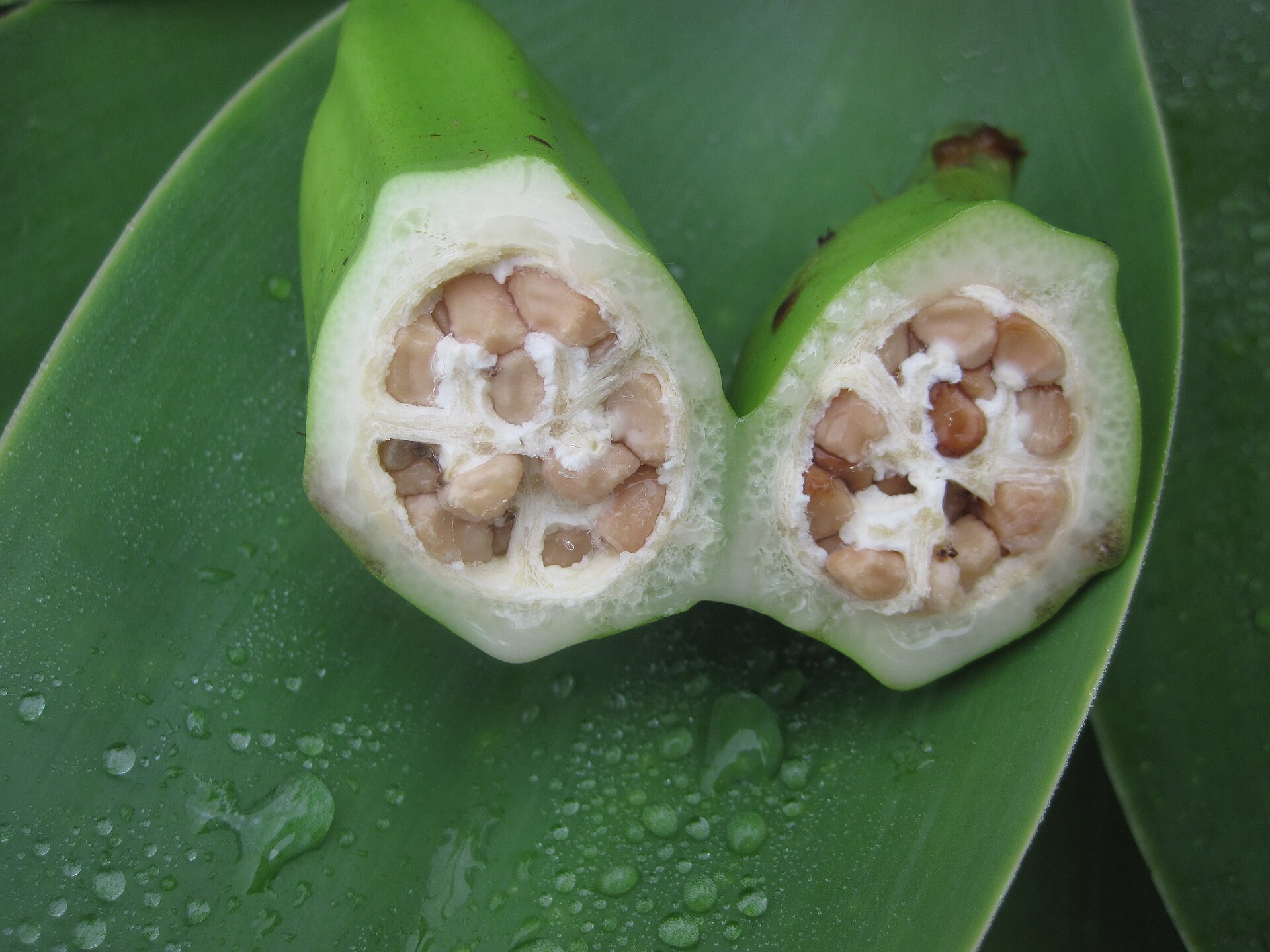
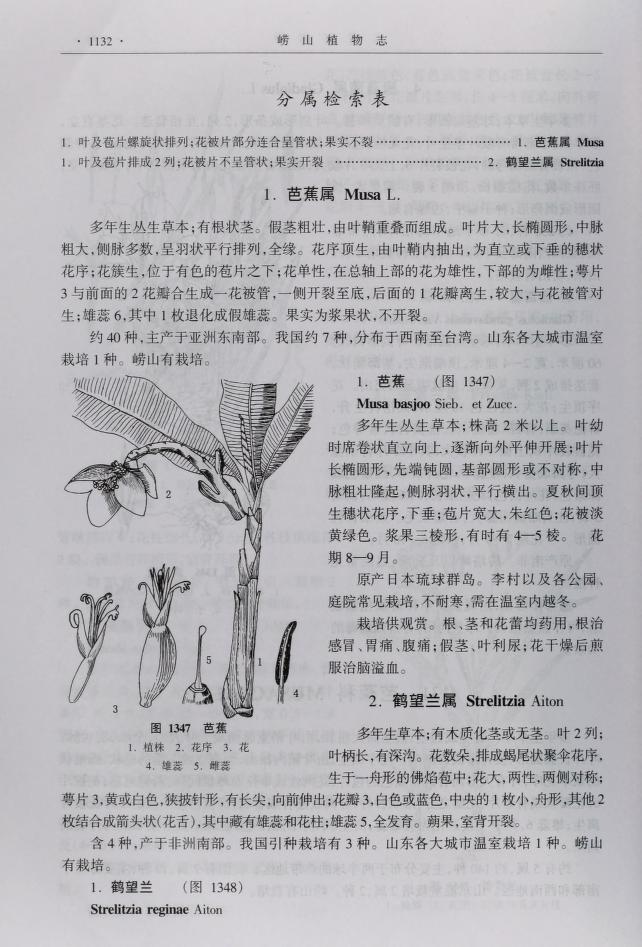
Grows from rhizomes, producing new shoots (pups) at the base. Leaves emerge from a pseudo-stem and can reach up to 6 feet long and 2 feet wide. Each pseudo-stem flowers once before dying back, while the plant continues through new growth. Has stout, drooping flower spikes with pale bracts and rows of flowers that attract pollinators and birds. It is not known to be toxic to humans or pets, though it contains latex. Fruits are small with hard seeds and are not typically used for food.
Prefers densely forested and mountainous regions, it tolerates cooler climates better than many Musa species.
Papermaking/Natural Dye Uses and Processes
Primarily cultivated for fiber (known as Manila hemp) used in paper, textiles, and ornamentation. Fibers can reach up to 2.7 meters and are strong, coarse, and white; producing translucent papers valued in artistic and interior applications such as lanterns and shoji screens. The finest fibers are harvested from leaf sheaths immediately after flowering. It is well suited to hand papermaking. While fiber extraction is traditionally labor-intensive (about 14 grams per hour by hand), it can be partially mechanized using a raspador.
The leaf stem is the part of the plant used in papermaking. After extraction, fibers are boiled 2 hours or more with lye, then washed, bleached (optional), and beaten into pulp (approximately 4 hours with hollander beater). PH strips can be used to monitor the removal of cooking chemicals. Use proper protective coverings when handling cooking chemicals and solutions. It is recommended to cook outdoors or in very well ventilated area on an electric burner. Whenever preparing paper fibers designate a pot, utensils, and measuring implements solely for fiber cooking. Beaten fibers can be then used to make sheets. Abaca fibers can be suspended in water with additives such as konnyaku starch, tororo-aoi mucilage, formation aid, or coagulant for the papermaking vat. Sheets can also be made western style without a water thickener.
History and Culture
Widely cultivated in China for both human medicinal use and animal fodder. Textiles have been made from Abaca fiber since 1521 in the Philippines. The Japanese imported banana plants from China, where banana fiber was first used as fabric fiber in Okinawa. The earliest Japanese banana paper samples date back to 1717. The first use of old Manila ropes for paper was in 1837. The fiber’s popularity declined in the 19th century but was revived as a craft tradition in the 1970s.