Common Yarrow
( Achillea Millefolium )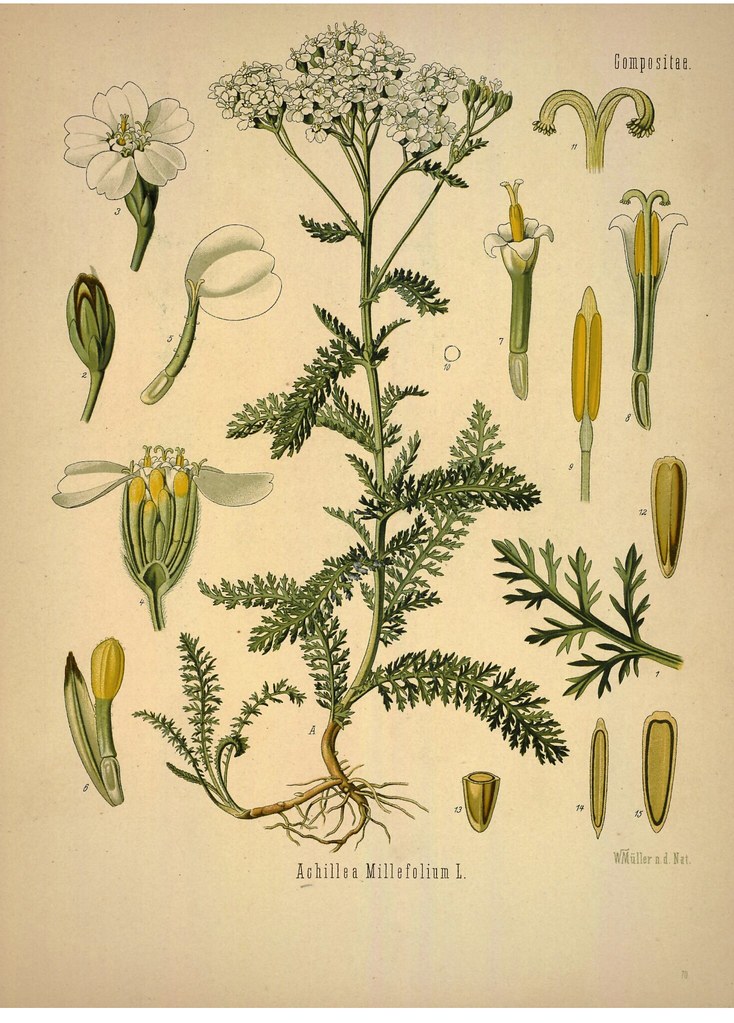
Quick Facts:
Planting and Care
Light: full sun
Soil: well-drained
Water: drought tolerant; only about 1/2 inch of water is needed weekly to maintain consistent growth.
Yarrow can spread aggressively. In too much moisture, the plant can contract root rot.
Botanical Information
Height: 3 ft
Spread: 3 ft
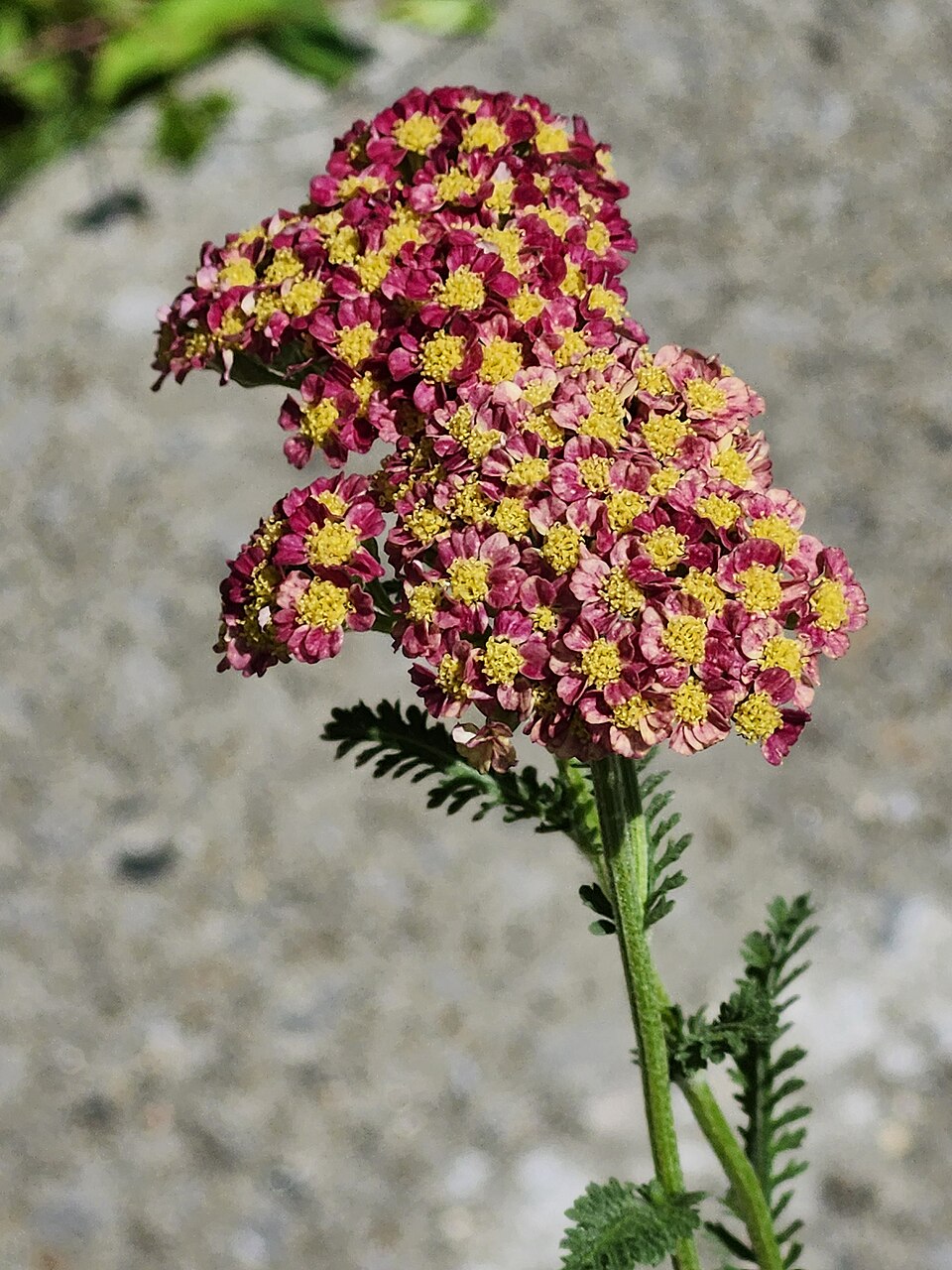
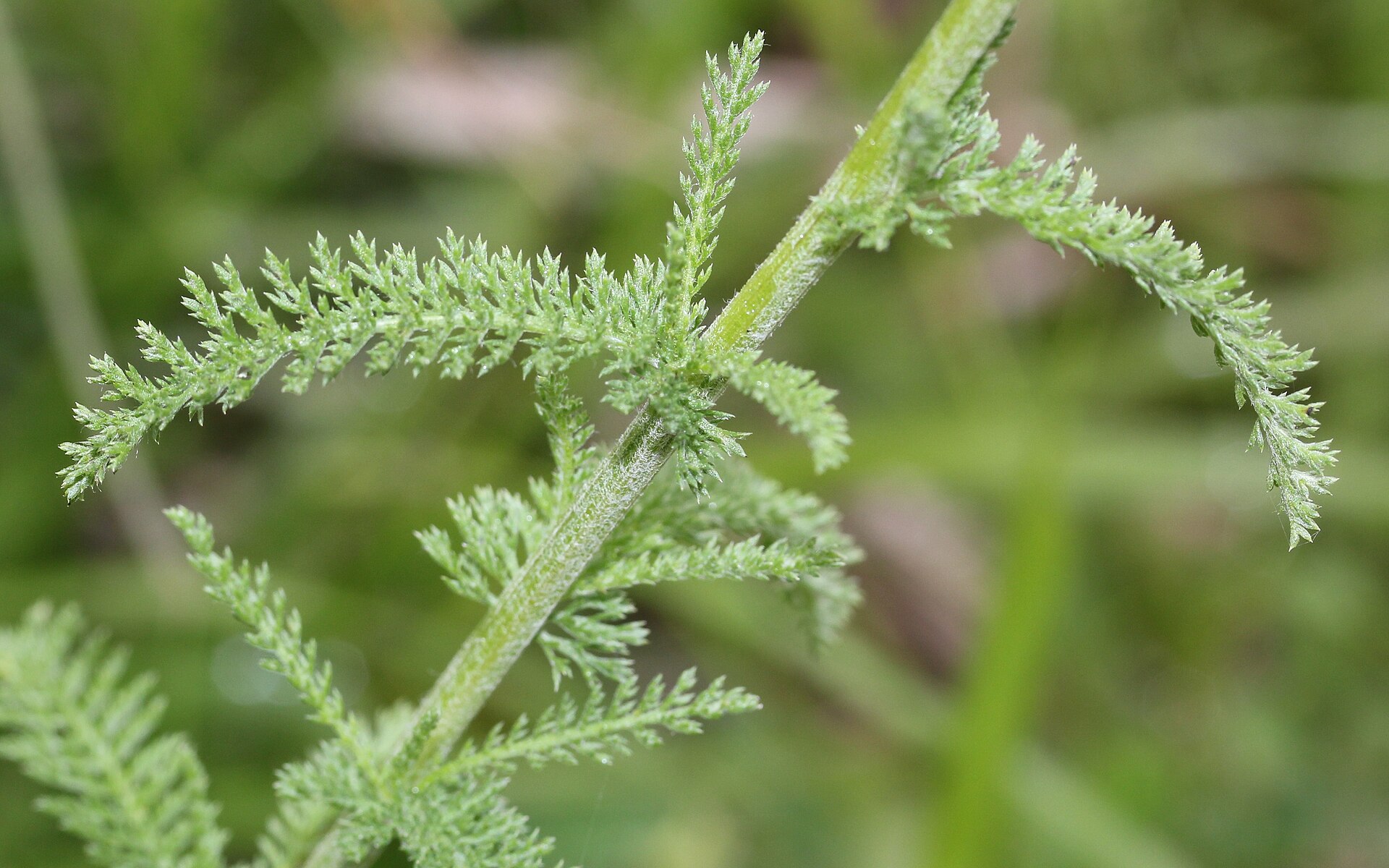
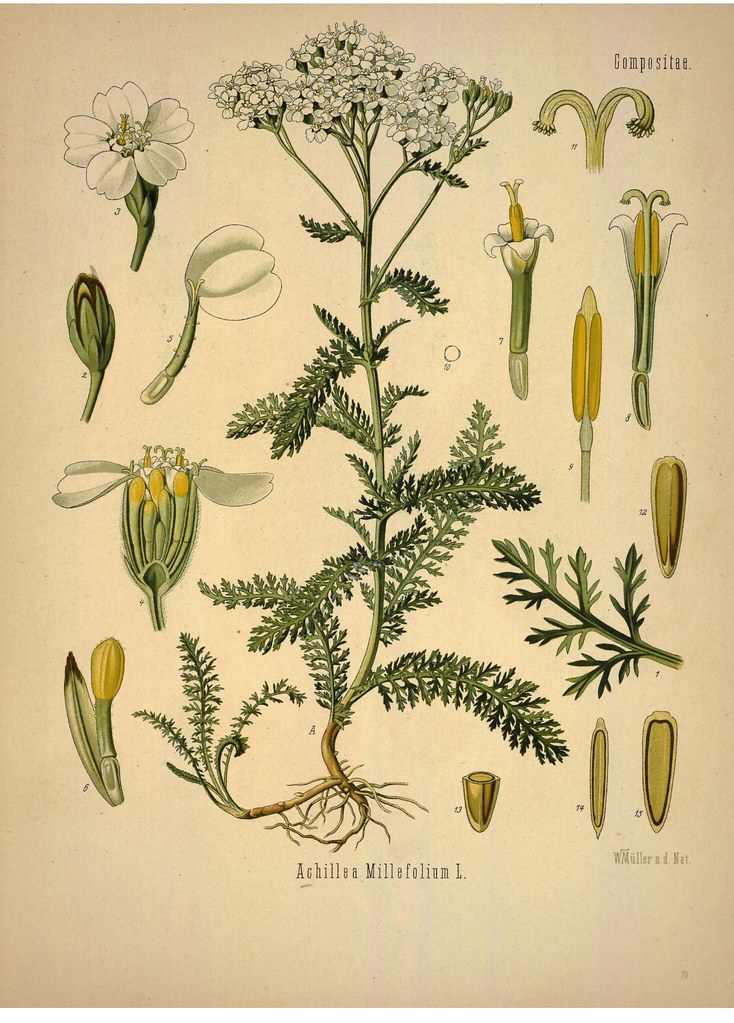
Yarrow is part of the daisy family, displaying clusters of mini-blooms on long stems. In Spanish, it is referred to as "plumajillo," meaning "little feather."
Papermaking/Natural Dye Uses and Processes
Common yarrow (Achillea millefolium) produces a green-yellow dye. Approximately 10–15 flower heads are needed per dye batch. When harvesting, whole flower heads should be cut while leaving the foliage intact to allow further flowering.
To prepare the dye, remove the flowers from the stems and simmer them for 1 hour. They can be left to soak for one to two days. After soaking, strain the dyestuff and apply to paper by dipping, spraying, or painting it on. A mordant like alum or iron oxide fixes the color, and is usually applied between each coat of dye.
Whenever preparing natural dyes it is recommended to designate a pot, utensils, and measuring implements solely for dye purposes. Use proper protective coverings when handling cooking chemicals and solutions. It is recommended to cook outdoors or in very well ventilated area on an electric burner.
History and Culture
The genus name Achillea derives from the mythical Greek hero Achilles, who is said to have carried the plant with his army for use in treating battle wounds. Native American medicinal uses include breaking fevers, soothing rashes, and treating hemorrhaging and stomach ailments.