Daffodils
( Narcissus )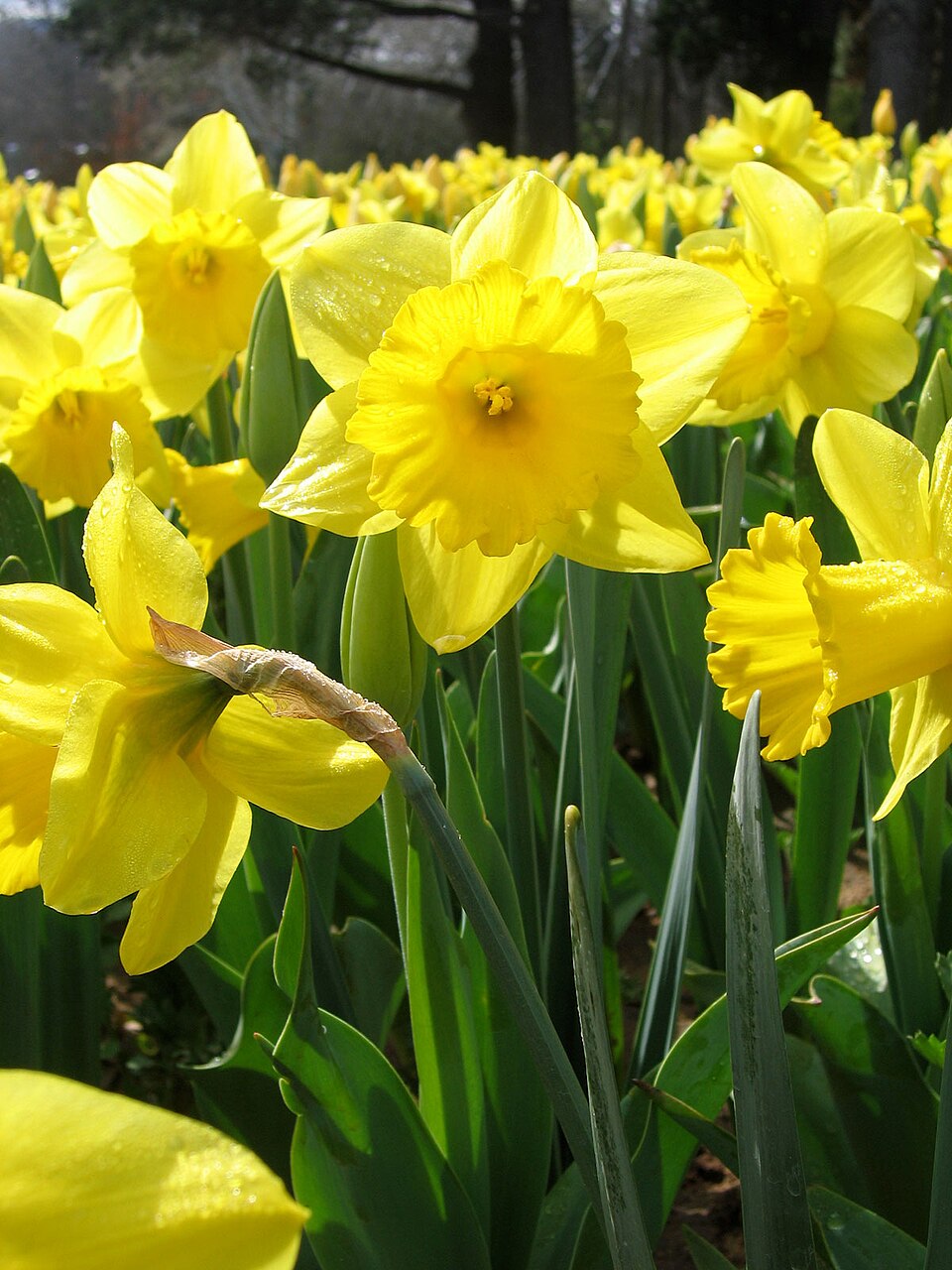
Quick Facts:
Planting and Care
Light: Full sun to partial shade (at least 6 hours of direct sunlight is ideal); flowers physically track the sun
Soil: Prefers acidic, moist, well-drained soil; tolerant of clay, loam, sand, and black walnut proximity.
Water: Moderate water needs; drought-tolerant during dormancy but requires consistent moisture during the growing season.
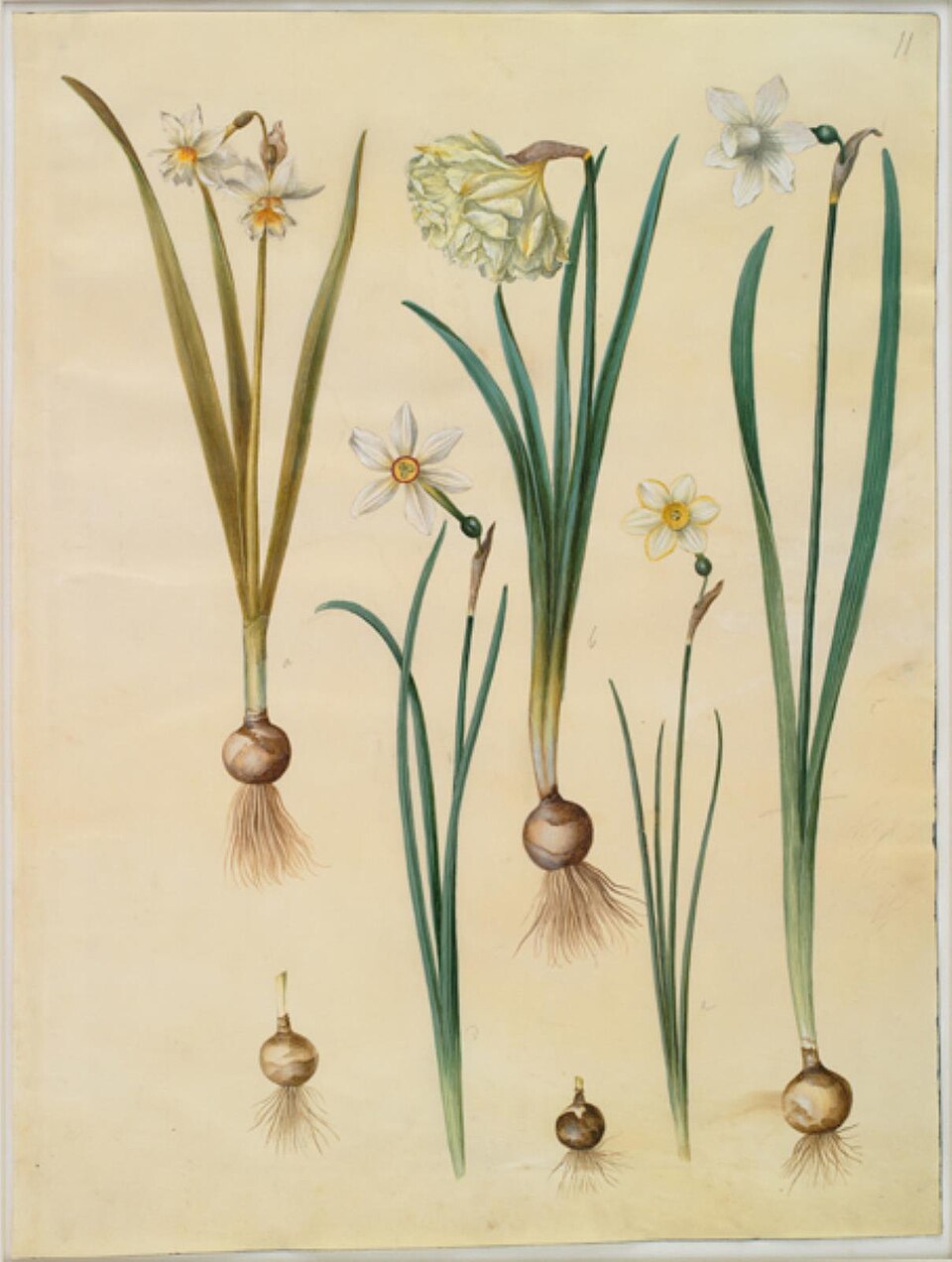
Best propagated via bulb division in the fall after foliage has died back. Plant in groups of at least 6 bulbs, spaced 2–3 inches apart. Low maintenance once established.
Nearly pest-free; minor risks include narcissus bulb fly, nematodes, and bulb scale mites. Rot occurs easily in poorly drained soil.
Botanical Information
Height: 18-30 in.
Spread: 6-12 in.
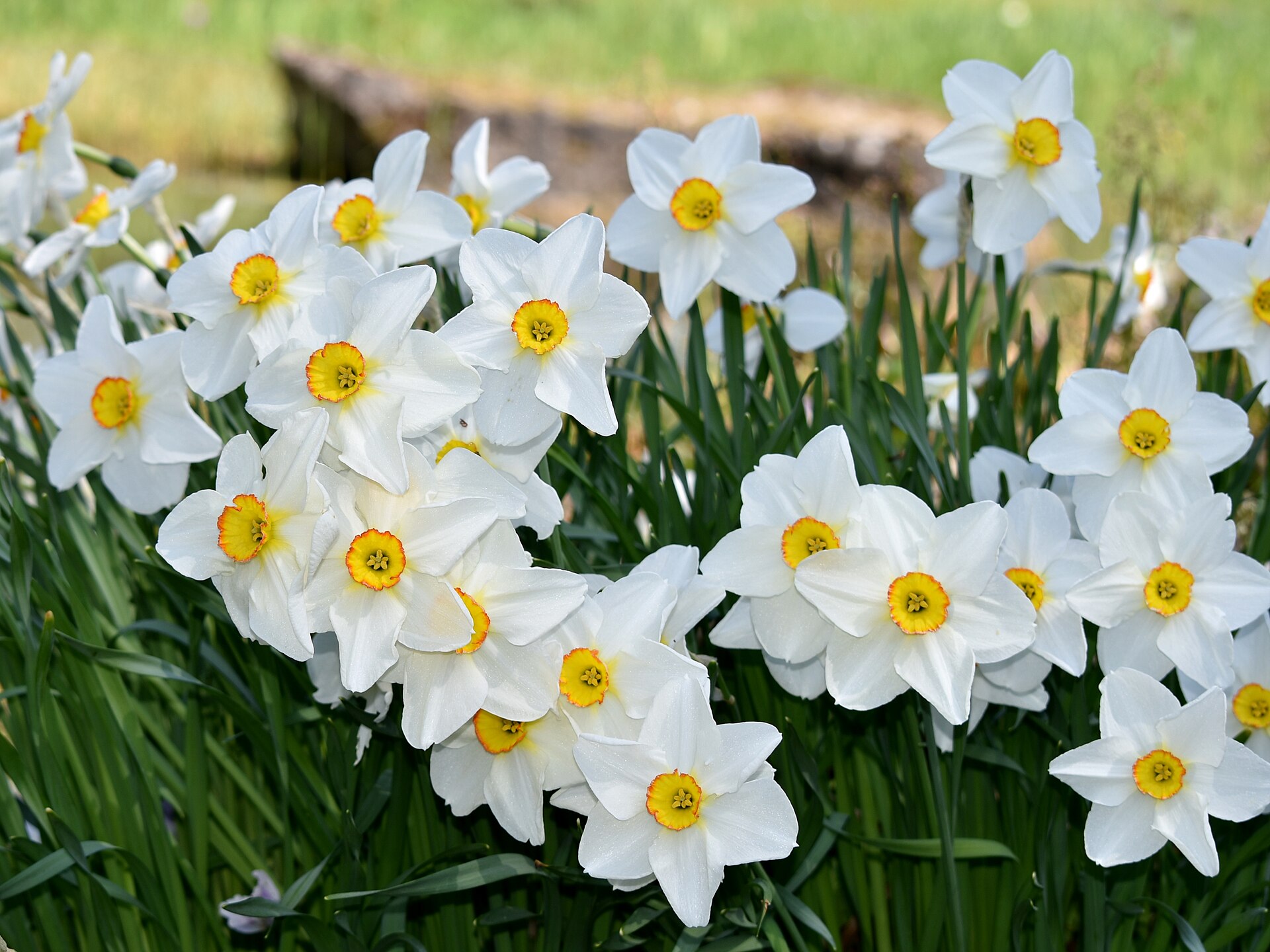
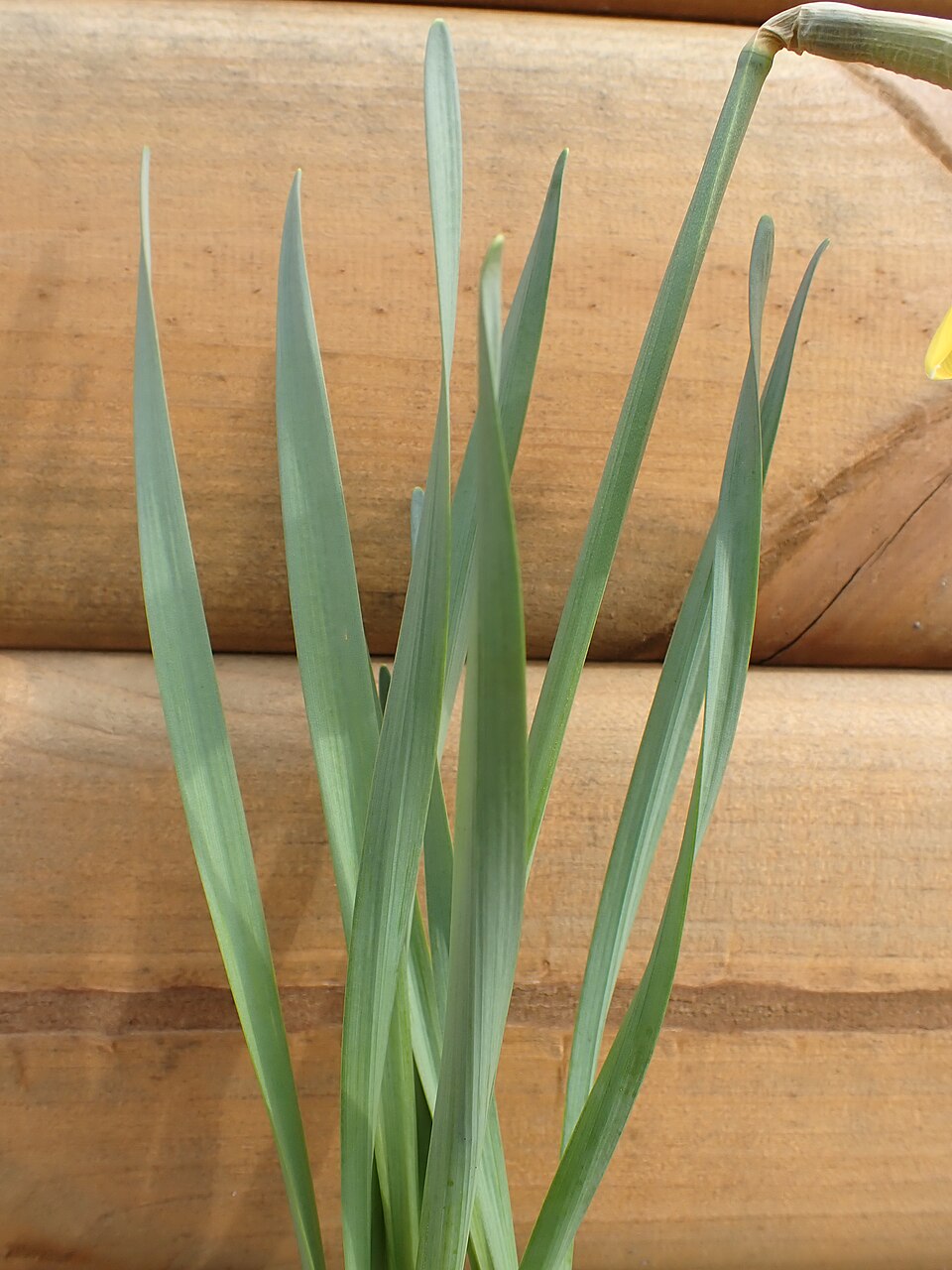
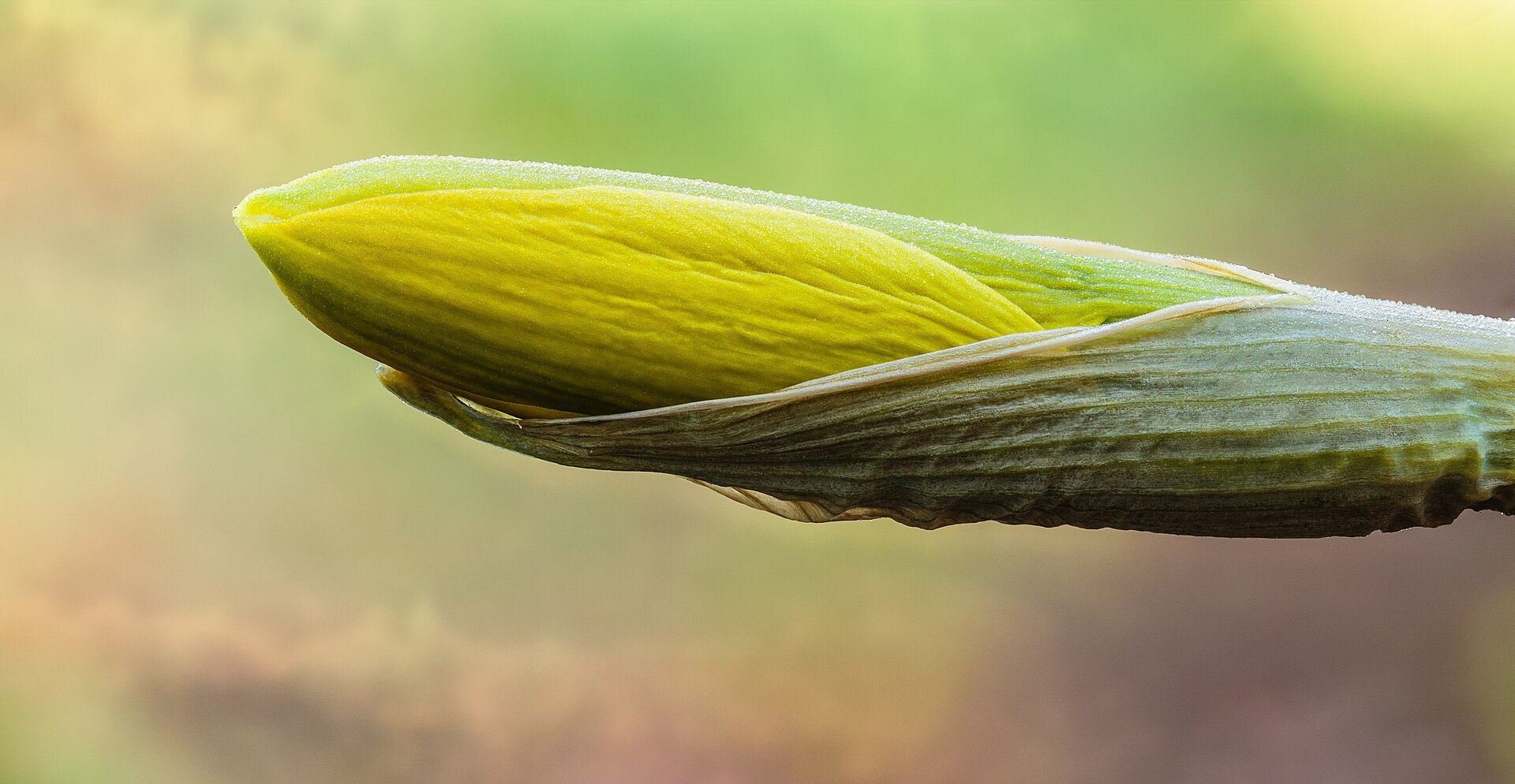
Fast-growing in clumps. Leaves are simple, linear, and waxy (3–6 in long), often forming a rosette. Flowers appear from December to May and are shaped like trumpets, stars, or tubes with 6 fused petals (tepals). Colors include yellow, orange, pink, and white. There are 13 recognized divisions of cultivars based on flower form, such as Trumpet, Jonquilla, and Tazetta.
Poisonous to humans and livestock if ingested. Handling bulbs or sap can cause contact dermatitis.
Papermaking/Natural Dye Uses and Processes
Fiber Processing: Daffodil leaves are easy to process in to paper. They produce a tender, short-fibered pulp that yields a crinkly, translucent paper similar in appearance to traditional bark paper Amate. The fibers have low tensile strength and are delicate. For papermaking, collect leaves after blooms wilt; soak leaves and stems overnight in plain water. Boil for 30 minutes, then allow the material to sit in the cooking water overnight. Drain and blend using short pulses in a blender or a manual potato masher until the fibers are broken down. It is recommended to mix with another pulp source (like recycled paper or wheat straw) strengthen daffodil paper. Use fresher leaves for light green paper or dried leaves for a brown, earthy tone. Daffodill flower petals are naturally waxy, and will repel ink if added to paper.
Pigment & Dyeing: The yellow, orange, and gold hues are derived from carotenoid compounds (including beta-carotene). Concentrations vary by maturity and origin, typically peaking at 3.5 mg per gram of dry weight. Extract color by pouring boiling water over fresh or dried flower heads (harvested at peak bloom) and steep overnight or up to 4 days.
Gently simmer cooled dye for 30 minutes (do not boil, as this turns the pigment brown). Adding alum produces a deeper golden yellow. Dyed items should be air dried.
To coat paper: pre-treat the paper with mordant (alum or iron oxide) to fix the dye, then coat the paper by dipping, spraying, or painting the dye on and let dry. Add a second coat of mordant and dye to deepen the color. Whenever preparing paper fibers or natural dyes it is recommended to designate a pot, utensils, and measuring implements solely for fiber cooking & dye purposes. Use proper protective coverings when handling cooking chemicals and solutions. It is recommended to cook outdoors or in very well ventilated area on an electric burner.
History and Culture
The name Narcissus is linked to the Greek myth of Narkissos, who became obsessed with his own reflection and was transformed into the flower. In Christian faith, daffodils represent resurrection and Easter.