Dogbane, Indian Hemp
( Apocynum Cannabinum )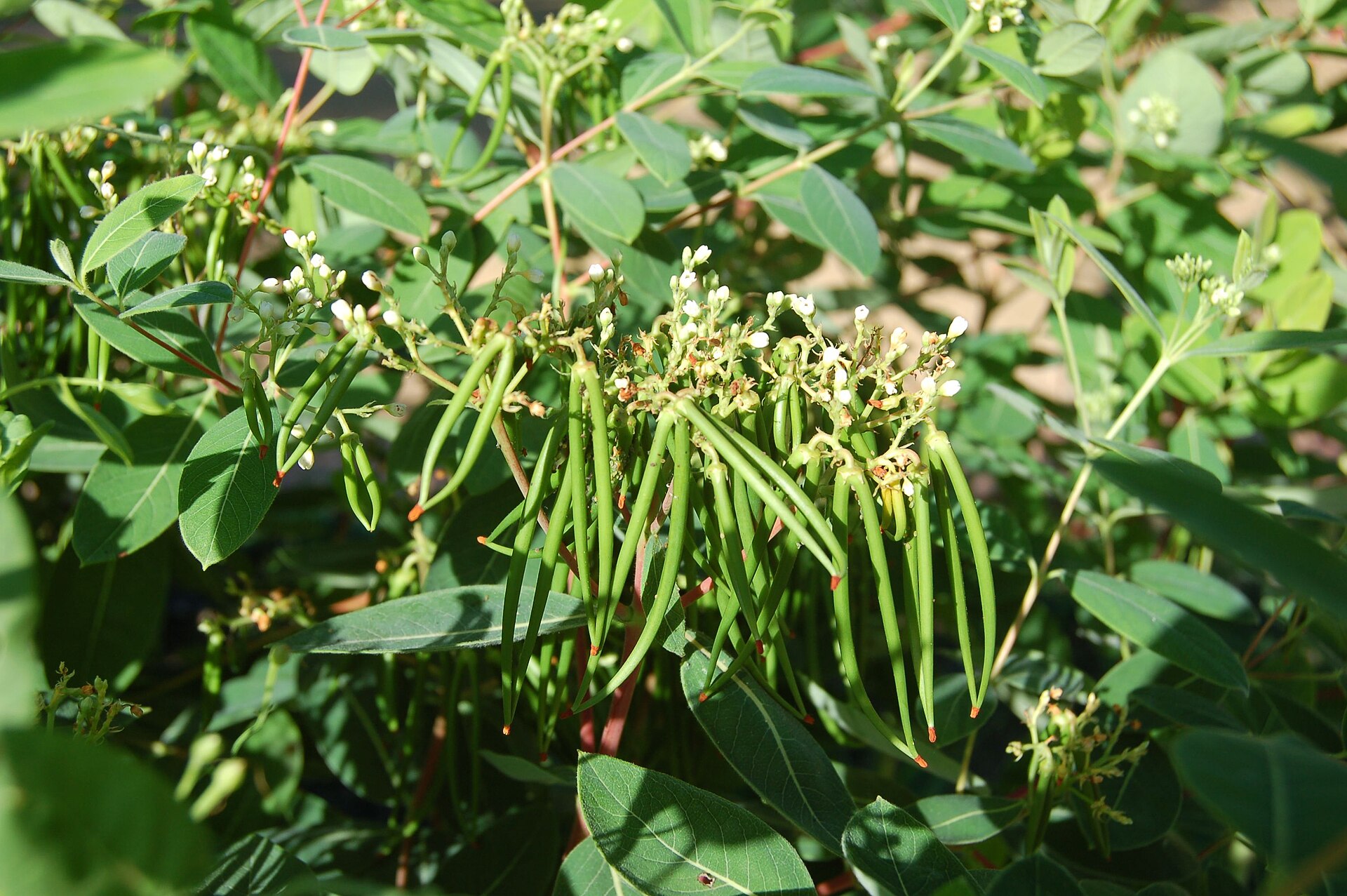
Quick Facts:
Planting and Care
Light: full sun to partial shade
Water: moderate to high
Soil: adaptable to clay, loam, sand, and shallow rocky soils; prefers moist or well-drained sandy soils
Indian Hemp (Apocynum cannabinum) typically grows 3–4 ft tall and spreads 1–2 ft wide
Grows in colonies. May expand aggressively, like a weed, through rhizomes. It is best suited for naturalized plantings, erosion control, stream banks, and restoration areas where spreading is acceptable.
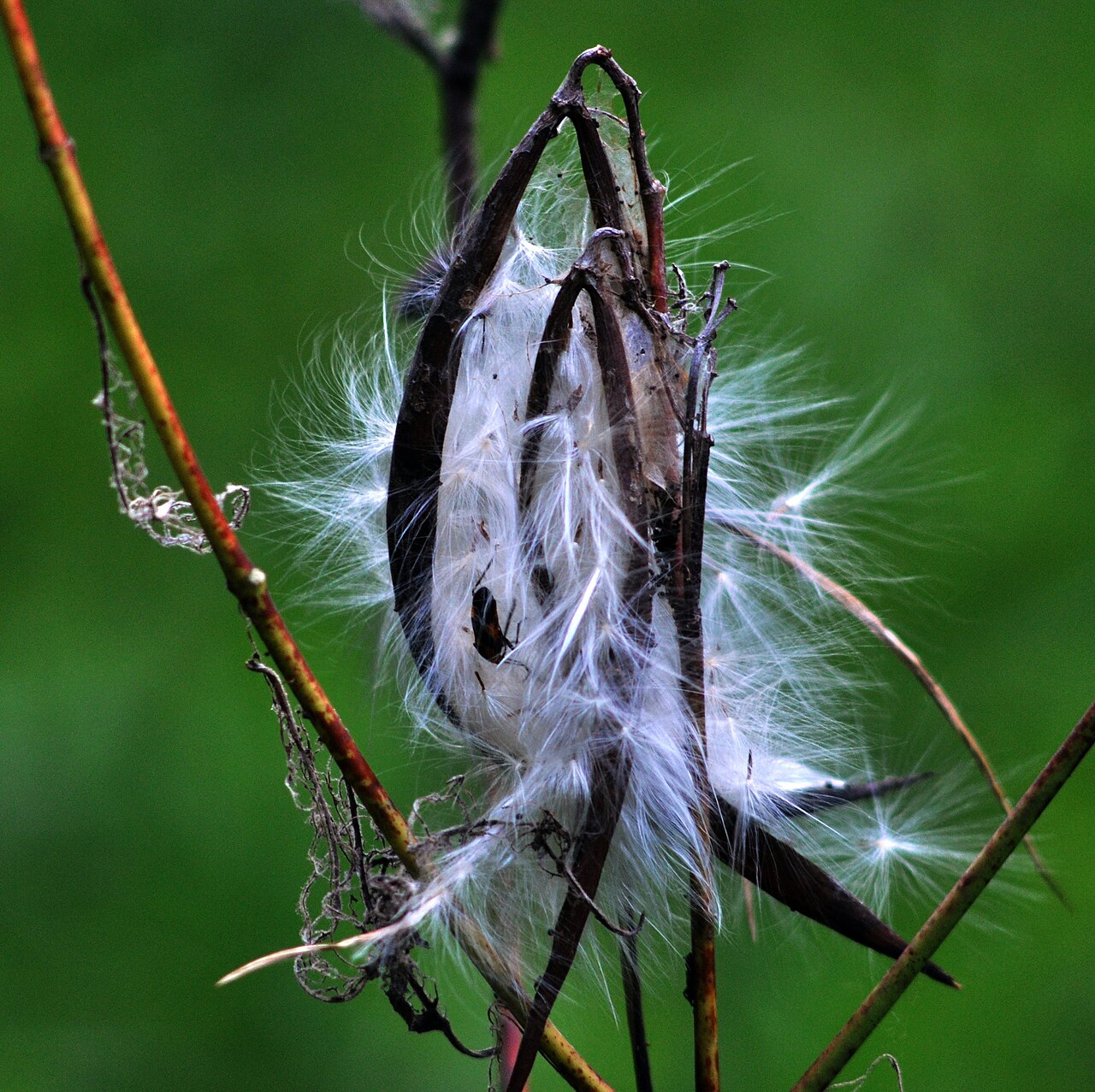
Propagation occurs through seed or division of rhizomes. Seeds disperse by wind using silky floss attached to the seed pods.
Because dead stems provide nesting habitat for native bees, standing stems are often left through winter before removal.
Botanical Information
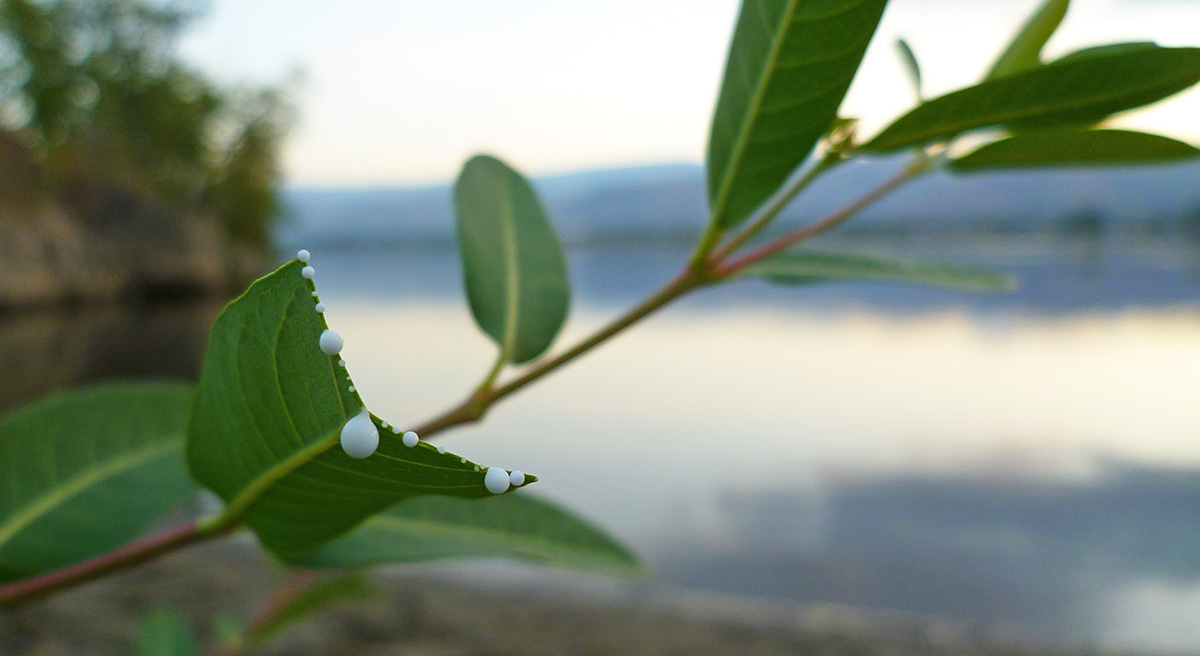
Dogbane is a member of the milkweed family group and shares many physical and ecological similarities with milkweed species. Plants in the Apocynaceae family typically contain milky latex sap and have opposite or whorled leaves.
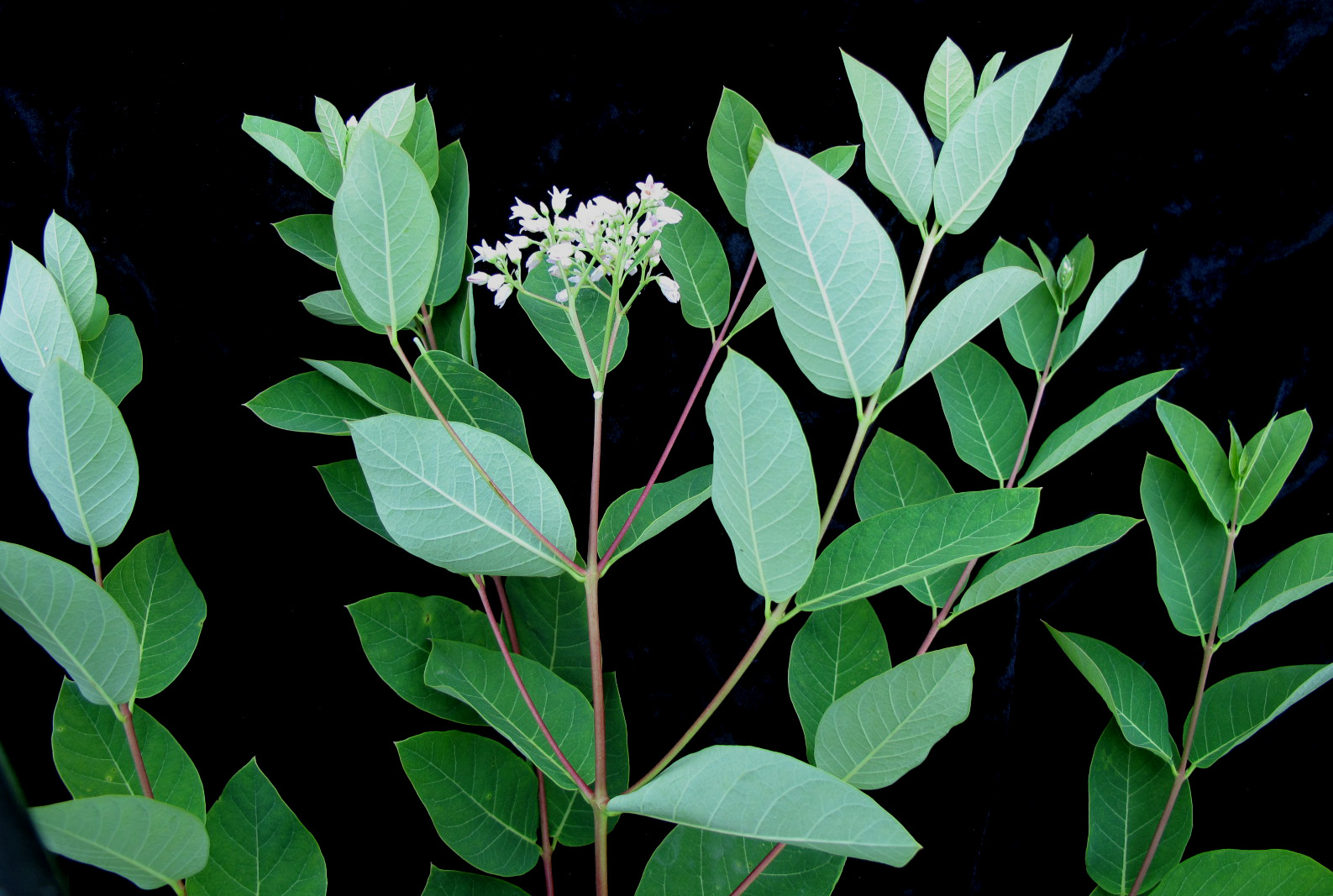
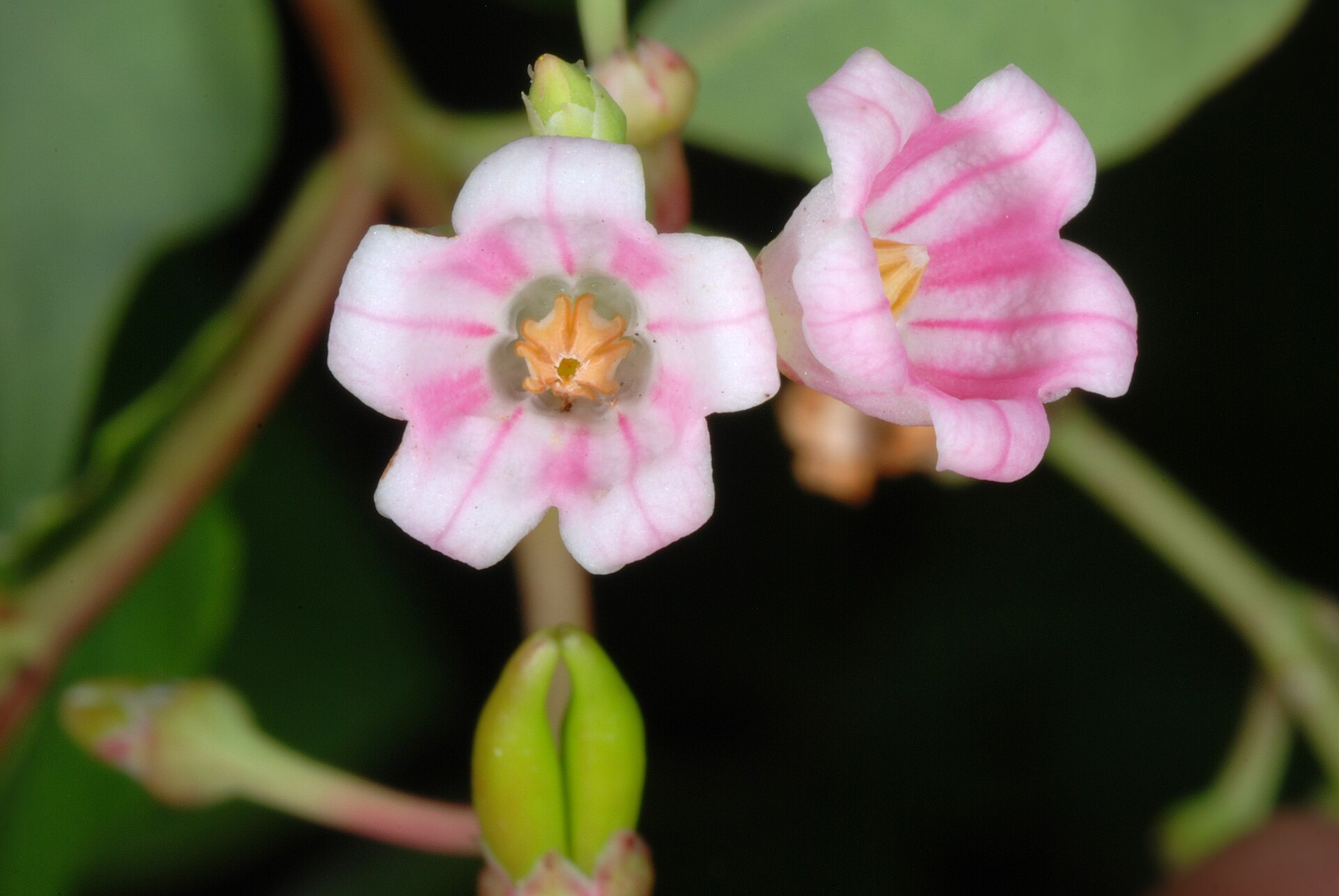
The stems are slender, upright, and fibrous with branching upper growth. Leaves are smooth-edged, oval to lance-shaped, and arranged oppositely along the stem. Flowers bloom from late spring through summer in clusters of small, bell-shaped blossoms. Apocynaceae flowers ranging from white to pink, yellow, green, red, purple, copper, and orange. Flowers attract butterflies and pollinators, and the plant serves as a larval food source for Monarch butterflies. Dead, hollow stems are also important habitat for native stem-nesting bees. Fruits develop as paired seed pods containing silky tufted seeds similar to milkweed floss. Commonly found along roadsides, waterways, disturbed areas, fields, and thickets.
Dogbane contains highly toxic cardiac glycosides and resins. All parts of the plant are poisonous if ingested, and the milky sap may cause skin irritation or blistering. Use caution when handling.
Papermaking/Natural Dye Uses and Processes
Dogbane produces strong bast fibers from the stem similar to hemp and milkweed. Historically, it was one of the most important indigenous fiber plants in North America for cordage, thread, nets, and textiles. Like milkweed, both fresh and dried stalks can be processed into papermaking fiber. Seed floss may also be incorporated into paper pulp similarly to milkweed floss, though this use is less documented.
To make paper, harvest fresh stems and remove leaves. Steam stems for one hour, then separate bark from the inner woody pith. A ciruclar cut is made at the stem top and bottom with one long cut down the length of the branch. The bark is lifted up at the lengthwise cut and peeled from the branch. Cook the bark in a caustic alkaline solution for approximately one hour. This will further separate the outer bark from the desired inner bark. Beat or blend fibers into a pulp.
Dried stalks are harvested from the field once the stalks have naturally dried. Flatten the stems between the thumb and fingers, or use a tool to assist. Split open stem and remove the inner pith by bending the stem. Fibers are then scraped or rolled between the hands to clean away remaining outer bark.
Based on comparable milkweed processing methods, winter-harvested stalks likely require less retting and chemical cooking because weathering naturally loosens the fibers. Milkweed-style retting techniques such as soaking stalks for several weeks or field retting over winter may also be applicable to dogbane fiber preparation.
Dogbane paper from the bast fiber is typically brown in color and rinsed until water is clear. Use pH strips to monitor the removal of cooking chemicals. Use proper protective coverings when handling cooking chemicals and solutions. It is recommended to cook outdoors or in very well ventilated area on an electric burner. Whenever preparing paper fibers designate a pot, utensils, and measuring implements solely for fiber cooking.
Dogbane seed floss resembles milkweed floss and may be processed similarly for papermaking. Because direct documentation is limited, milkweed processing methods are often referenced as a comparison. Following milkweed processing procedures, intact pods can be harvested before fully opening. The silky floss is separated from the seeds, cooked briefly in a mild alkaline solution, rinsed, and beaten into pulp. As with milkweed, floss fibers are shorter and weaker than bast fibers and are best mixed with longer fibers or binders to improve sheet strength.
History and Culture
Dogbane has long been valued throughout North America as a fiber and utility plant. Indigenous communities used the bast fibers to make thread, fabric, fishing nets, bowstrings, rope, snares, and cordage because of the plant’s exceptional strength and fineness. Stems were also used for fishing poles and tools. The silky seed hairs were used as stuffing and insulation material similarly to milkweed floss.
Some species within the Apocynaceae family have been used medicinally, including as snake antivenom. The fruit and latex of certain species are consumed as food in regions of Mexico and South America. Dogbane was used in arrow poisons.