Hazelnut
( Corylus Californica )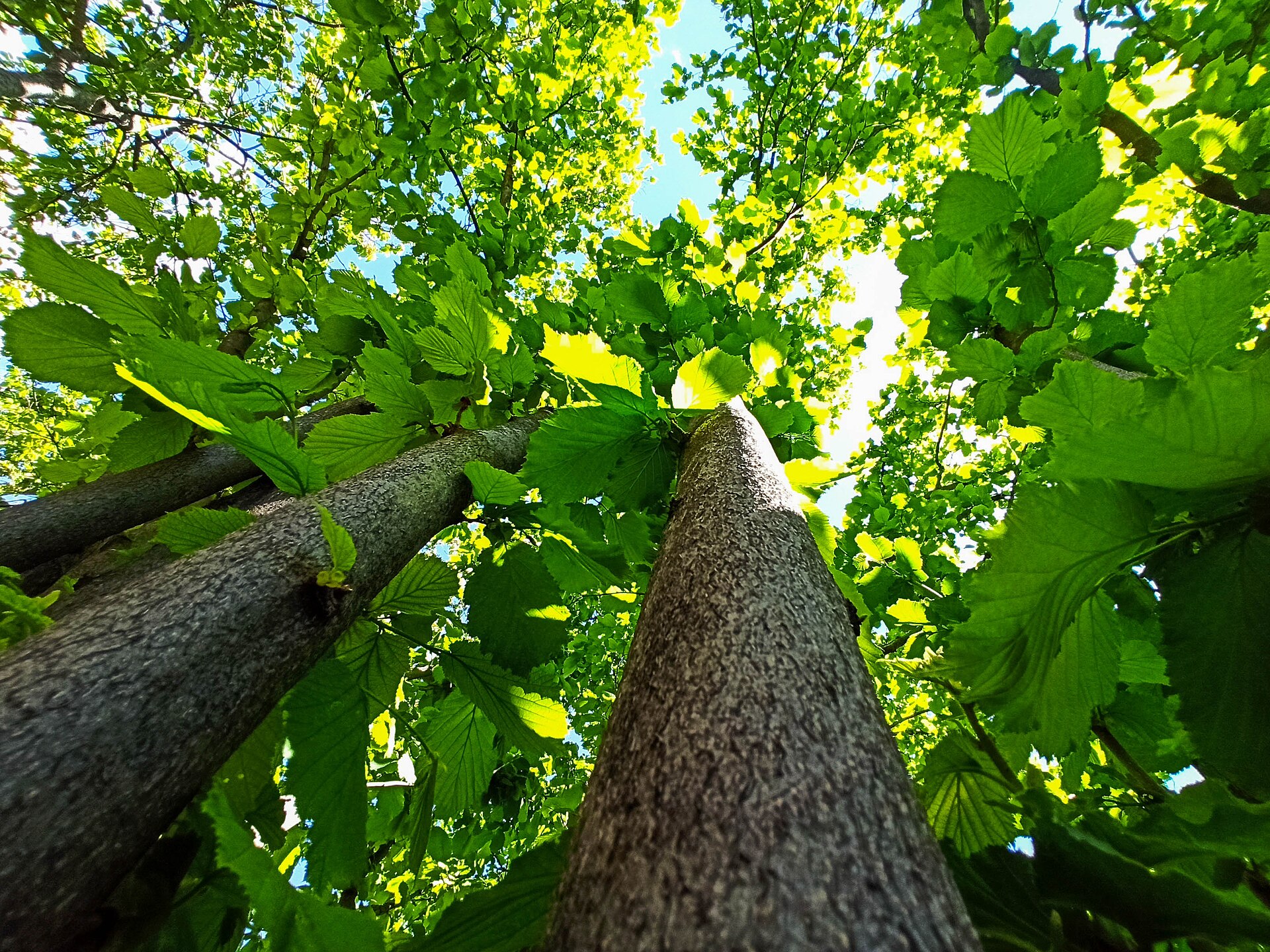
Quick Facts:
Planting and Care
Light: Full sun to partial shade.
Soil: Prefers moist, well-drained loamy acid soils with high organic matter; tolerates clay but not "soggy" conditions.
Water: Thrives in regions with 14–100 inches of annual precipitation; prefers damp slopes and stream banks.
Sprouts easily from roots, suckers, and seeds. Seeds require cold stratification and are viable for one year. To beat squirrels, harvest nuts just before ripening while husks are still green
Winter hardy to 0°F and highly susceptible to Eastern filbert blight.
Botanical Information
Height: 12-20 ft
Spread: 8-10 ft
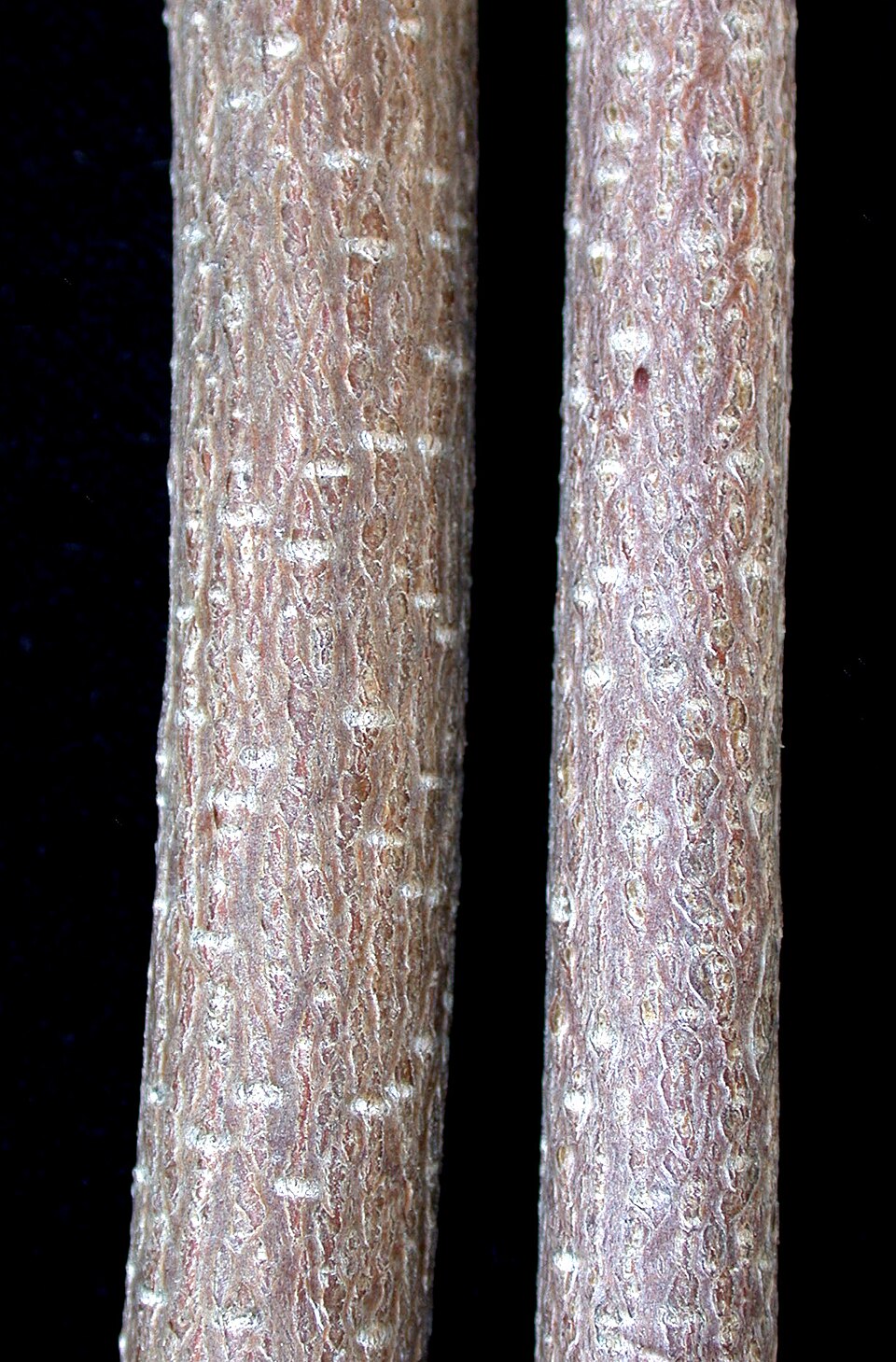
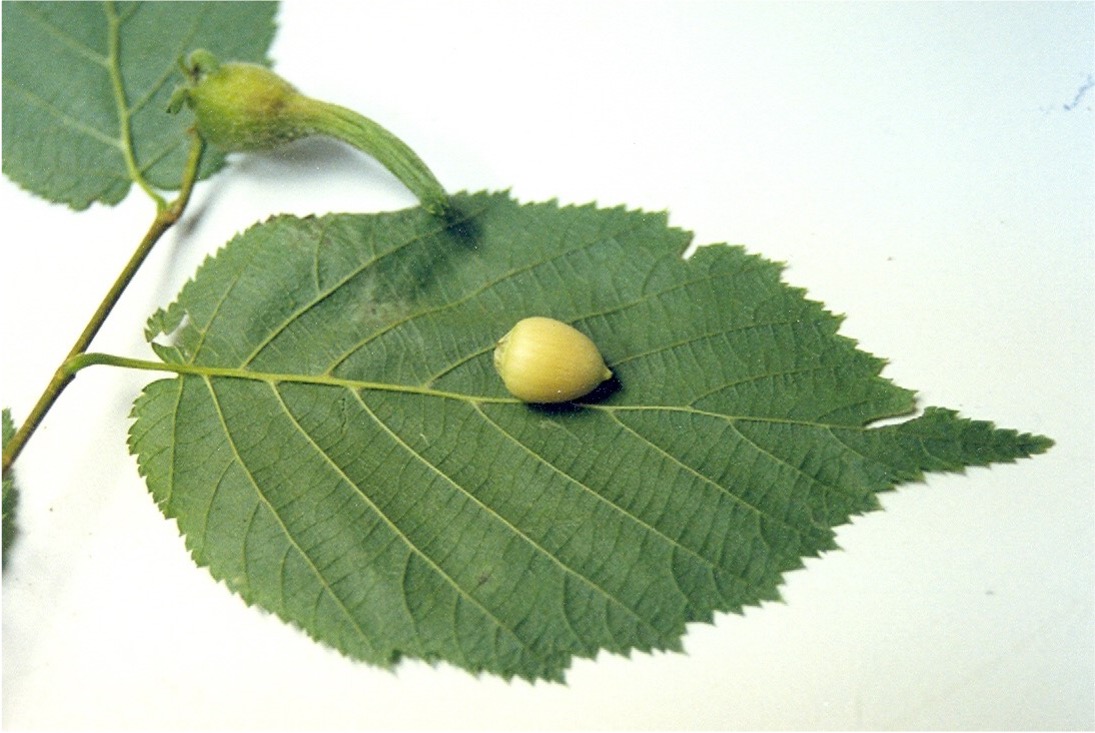
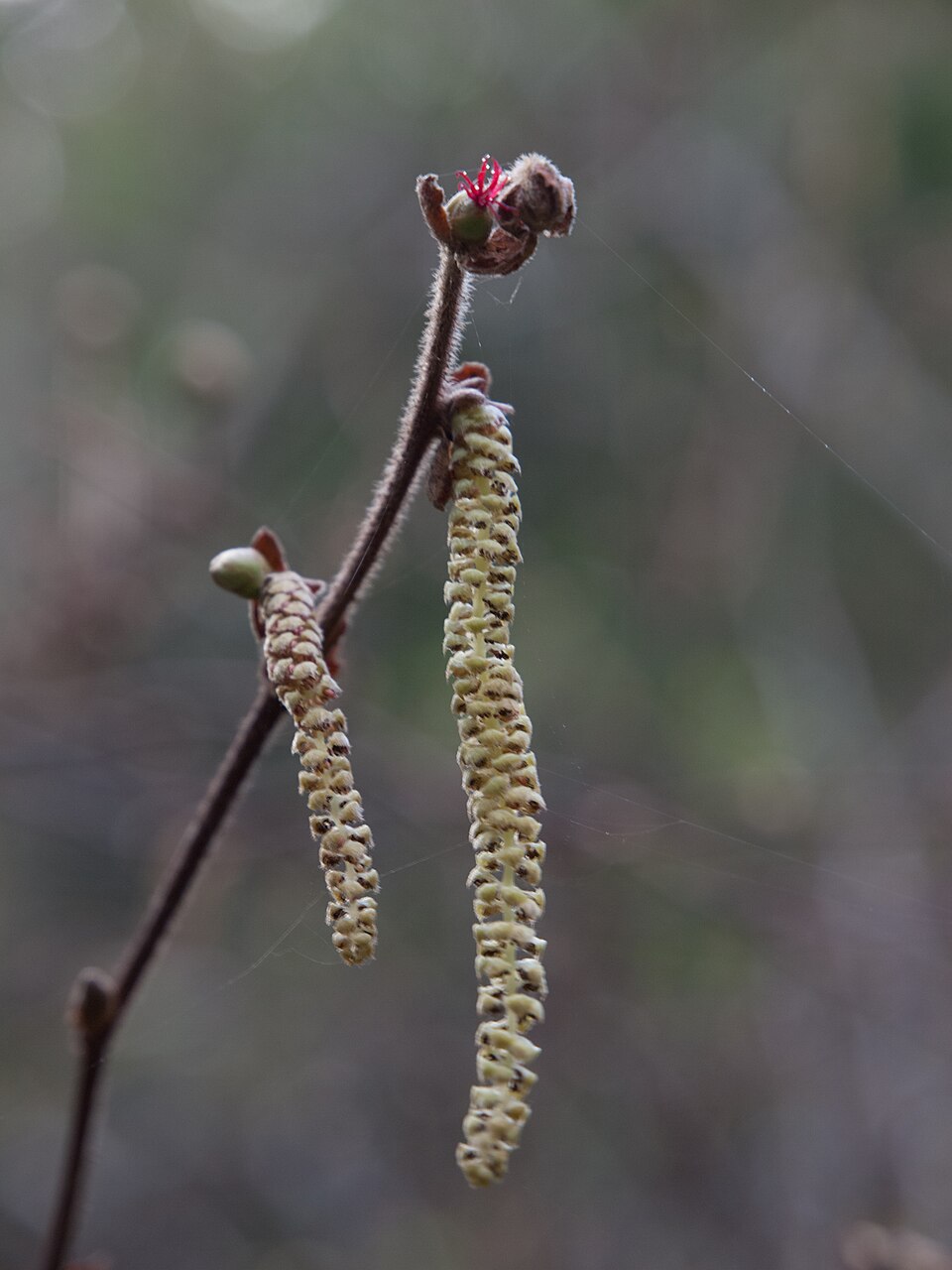
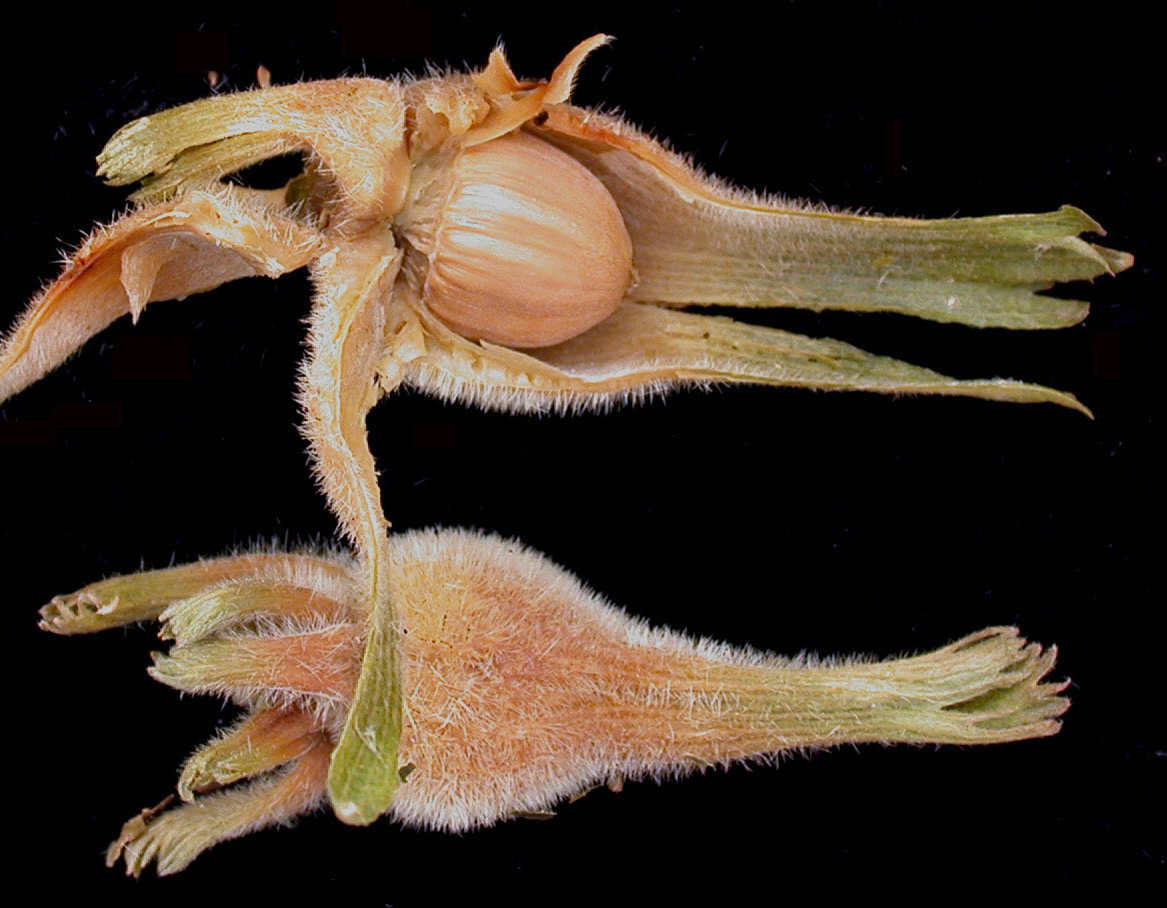
Features straight main branches with spreading stems and velvety, alternate, ovate leaves (1.6–4 in long). The plant is monoecious; male flowers are long hanging catkins that appear in fall, while female flowers are scaly buds with red stigmas. It produces a hard-shelled, acorn-like nut (1/2–3/4 in diameter). Nuts are a vital food source for deer, squirrels, and birds. The plant is wind-pollinated and can sprout vigorously after fires. No known hazards to humans.
Papermaking/Natural Dye Uses and Processes
Hazelnut pulp is comparable to other hardwood pulps, featuring a high cellulose-to-lignin ratio similar to mulberry.
Fiber Processing: Select branches in autumn after seeds have dropped. Remove leaves. Steam branches to strip the bark. Separate the outer dark bark and discard, keeping only the lighter inner bark (bast fiber). Soak fiber in water 24 hours before cooking.
Boil the inner bark with soda ash or lye for 2-4 hours to break down the fibers. Rinse fiber until water is clear. PH strips can be used to monitor the removal of cooking chemical. Use proper protective coverings when handling cooking chemicals and solutions. Recommended to cook outdoors or in very well ventilated area on an electric burner. Whenever preparing paper fibers designate a pot, utensils and measuring implements solely for fiber cooking. Can be hand beaten, processed in a ball mill for 1.5 hours, or beaten in a Hollander. Produces a high-quality brown paper with good structural integrity.
Pigment & Dyeing: "Waste" materials such as leaves and nut shells can be dried and stored. When ready to process, soak for 24 hours in a ratio of 1 part dye material to 15 parts water. Boil for 30 minutes and cool to room temperature to extract color. The boiling and cooling process may be repeated for a stronger result. Nut shells, outer coats, and inner die produce khaki to dark brown tones with mordants like copper or iron sulphate. Nut shells produce the strongest color. Fresh red hazelnut leaves gathered in spring can produce a pH-sensitive dye (purple, pink, or green) by steeping in 160°F water. Only the green result is typically washfast. Brown dye may be obtained from dried leaves. Roots can be used to create a bluish dye.
History and Culture
Native Americans utilized the nuts for oil and food. They practiced controlled burning to maintain plant productivity and used flexible young shoots for high-quality basketry, arrows, and rope. In 1786, Léorier de Lisle (Director of Langlee paper mills) successfully experimented with hazelnut-only pulp as an alternative to rag paper. His contribution further developed previous explorations of hazelnut as a paper source. He presented his findings to the French Académie des Sciences.