Marigold
( Tagetes L )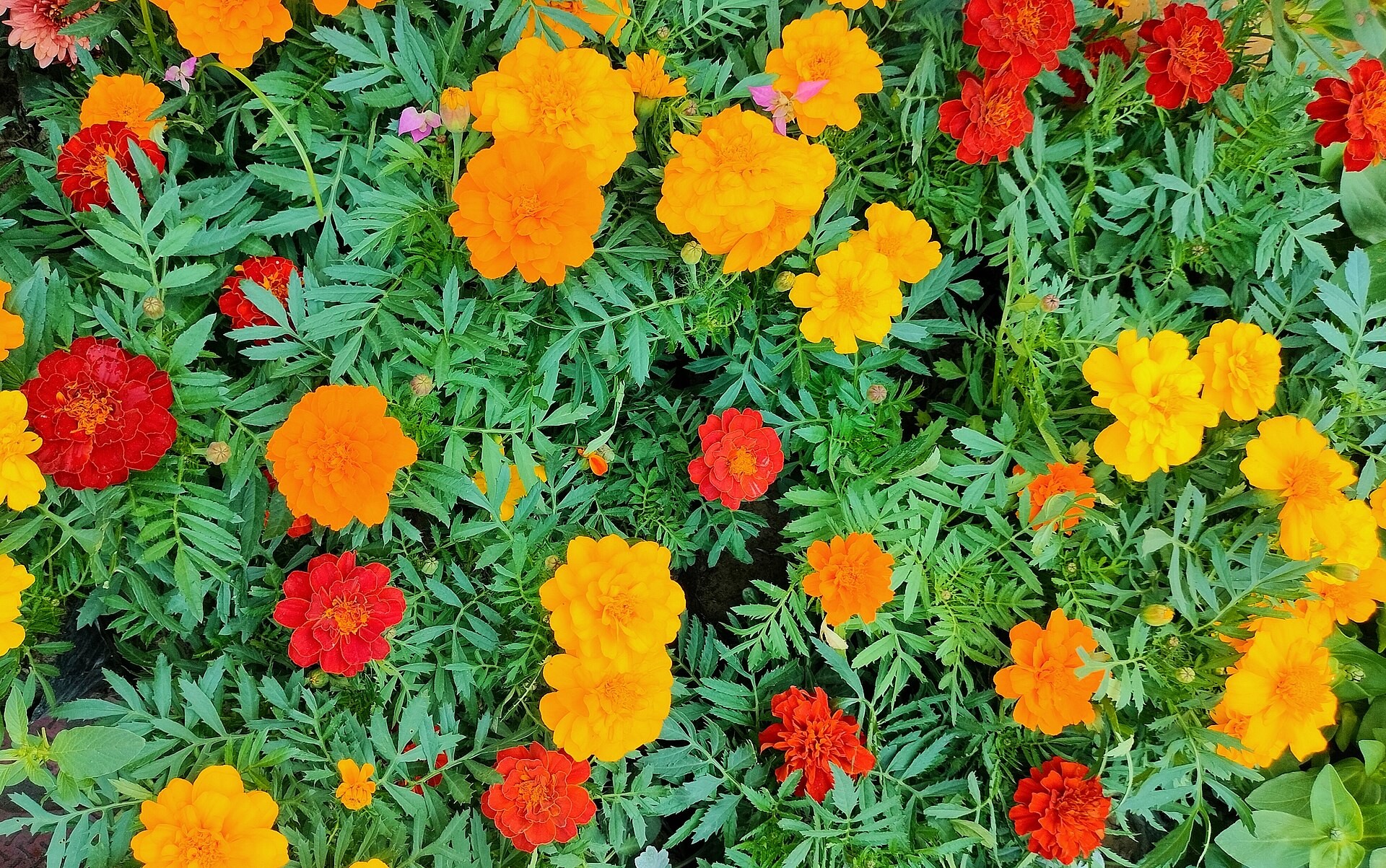
Quick Facts:
Planting and Care
Light: shade tolerant; at least 6 hours of sunlight needed for optimal blooming
Water: moderate; drought tolerant
Soil: well-drained; can thrive in almost any soil type
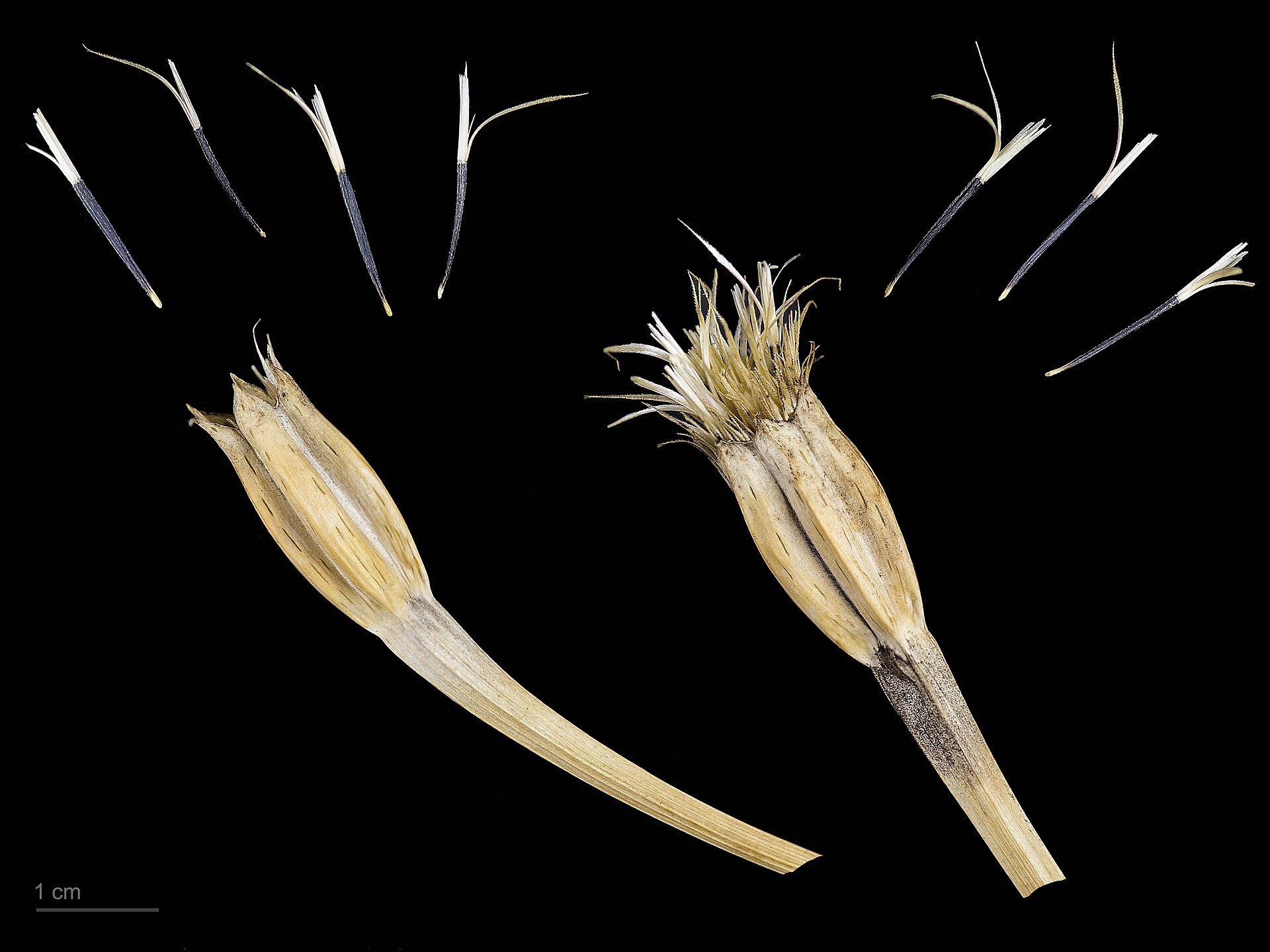
Marigolds grow rapidly, are low maintenance, and propagate easily from seeds. They perform exceptionally well in containers as well as in mass plantings and can be grown either indoors or outdoors. To encourage additional summer and fall blooming, spent flowers should be deadheaded.
Botanical Information
Height: 1-4 ft
Span: 0.5-1 ft
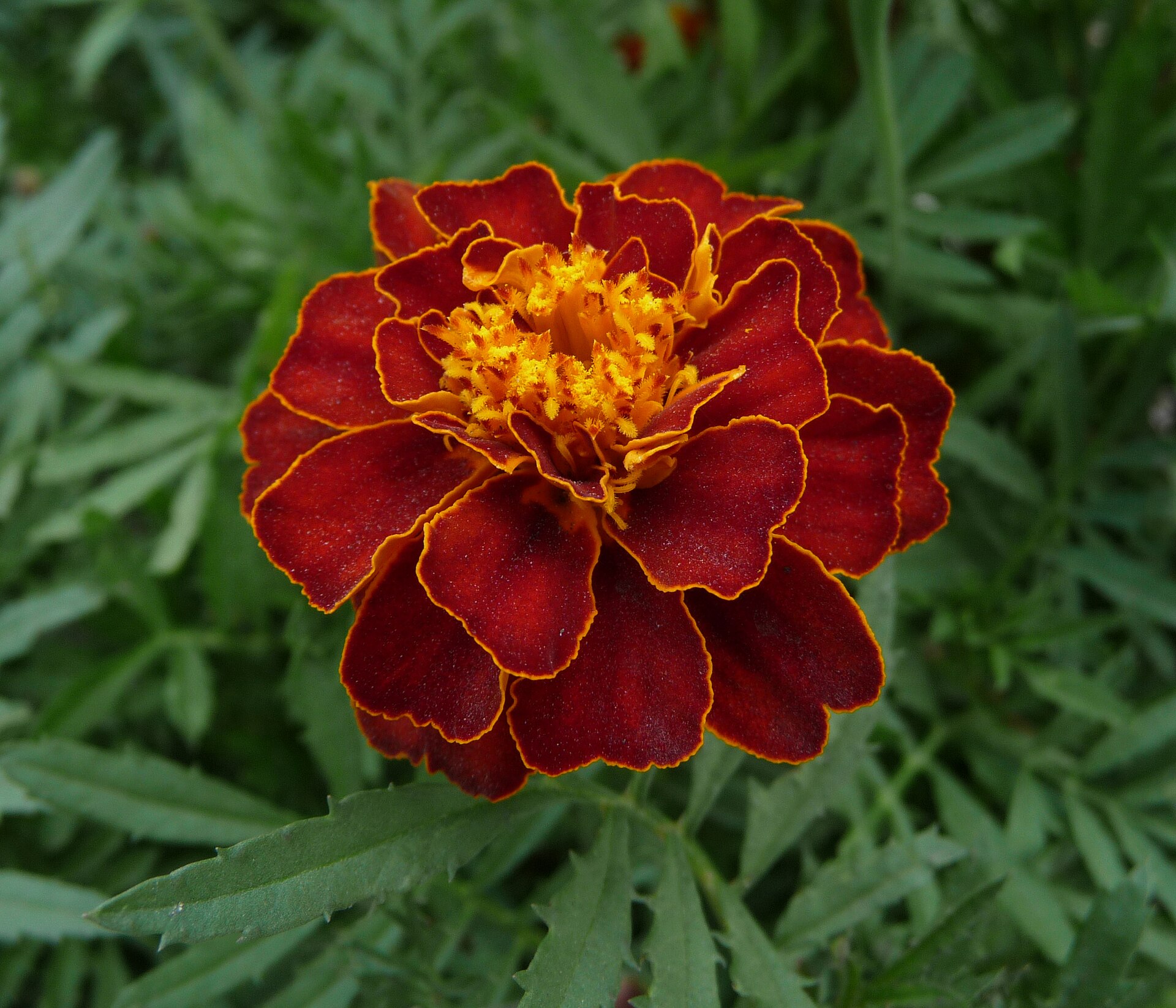
Marigolds belong to a genus in the sunflower or aster family that contains 49 species of flowering, herbaceous plants. The most common cultivars by size are the larger African (Tagetes erecta), French (Tagetes patula), and Signet (Tagetes tenuifolia).
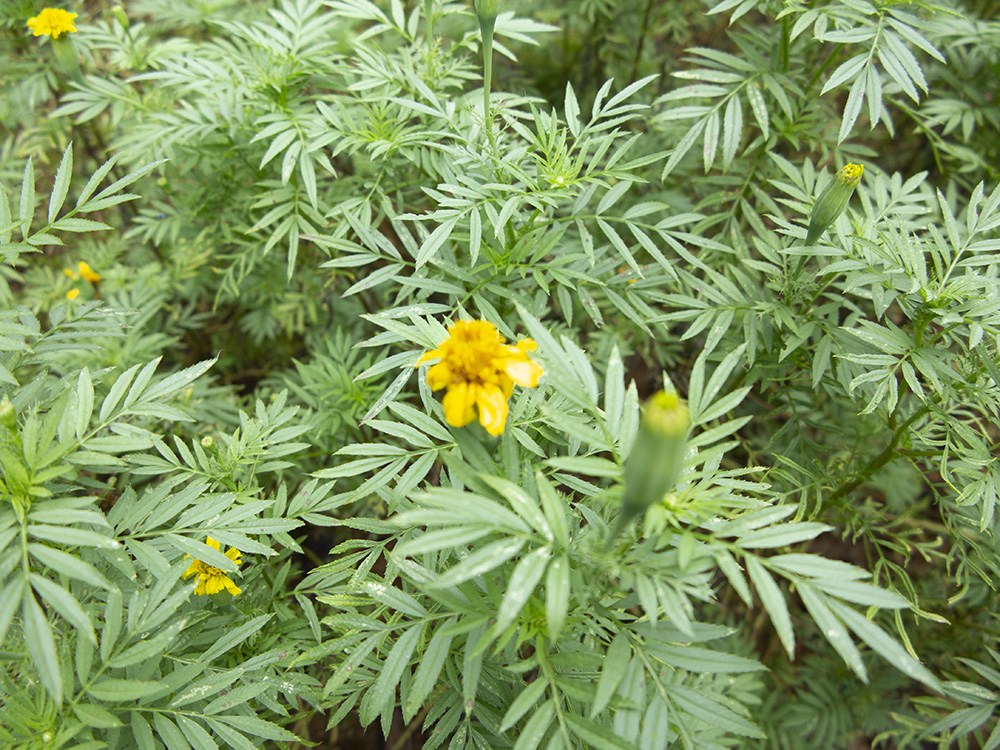
These plants typically grow as annuals, but are perennials depending on the environment. Marigolds feature erect, branched stems and hairy, fragrant leaves arranged in opposite or alternate patterns. The flowers measure between 0.5 to 4 inches, with colors ranging from yellow to gold, orange, and dark orange. When crushed, they present a strong herbal or citrus aroma. Marigolds serve as a food source for butterflies and experience few pest issues, though they occasionally attract Japanese beetles, spider mites, and slugs. They are susceptible to certain diseases, including wilt, stem rot, leaf spots, aster yellow virus, and botrytis blight. There is a low poison risk, but their juice and sap may cause contact dermatitis.
Papermaking/Natural Dye Uses and Processes
Dye can be extracted from fresh, frozen, or dried blooms. Once processed, dried or frozen blooms can be held and extracted for dye for up to a year.
To create the dye, chop the flowers and heat them in water to a simmer for 1 hour. Do not boil the mixture; ensure the temperature stays at or below 176°F, then strain. Flowers with deeper colors, such as darker orange, will provide a greater range of dye results. The color is relatively stable, though it will fade if exposed to direct sunlight. The standard resulting colors are yellow or gold with mordant aluminum acetate. Using an iron mordant will produce a dark brown color.
After soaking, the dyestuff can be strained and applied to paper by dipping, spraying, or painting it on. A mordant like alum or iron oxide is used to fix the color, which is usually applied between each coat of dye.
Whenever preparing natural dyes it is recommended to designate a pot, utensils, and measuring implements solely for dye purposes. Use proper protective coverings when handling cooking chemicals and solutions. It is recommended to cook outdoors or in very well ventilated area on an electric burner.
History and Culture
In Mexico and Guatemala, Marigolds were used in both pre- and post-Columbian ceremonies for the dead. Commonly called Flor de Muerto, they are used for Catholic All Saints' Day and All Souls' Days (November 1st and 2nd), where they adorn altars and pathways to guide the souls of the deceased. They also decorate graves and are common plants in cemeteries. In Mexico, the flower is also officially registered as a pharmaceutical. The whole plant is utilized for ailments such as colds and bronchitis, and it has historically been used therapeutically for sores, wounds, and pain.
Spanish and Portuguese trade brought the marigold to India in the 16th century, where it has at times replaced the native calendula. Today, marigolds are widely used in India for garlands, ornamentals, and social and religious events like Diwali and Dashara.
The plants are edible in small amounts, with their flavor ranging from spicy and bitter to herbal. The plant is commonly consumed as a tea. Marigold is also a commercial source of lutein, a compound used as food coloring.