Persimmon
( Diospyros Kaki )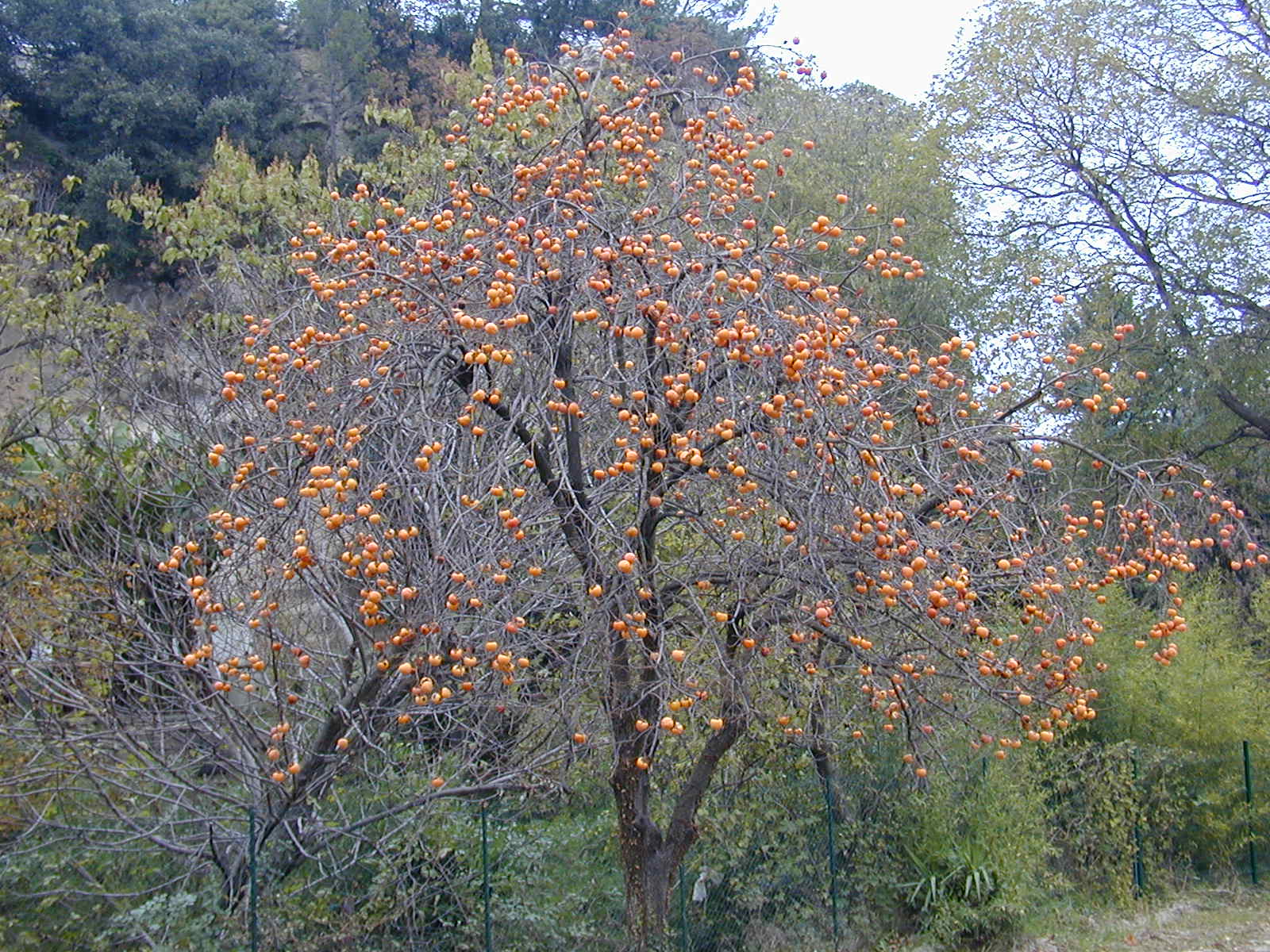
Quick Facts:
Planting and Care
Light: full sun
Soil: well-drained, acidic loams
Oriental persimmons bloom in mid-April, after the risk of late frost has passed. These trees do not produce fruit until they reach 4–6 years of age. After that point, they bear fruit annually, though a heavy crop one year may be followed by a lighter crop the next.
Botanical Information
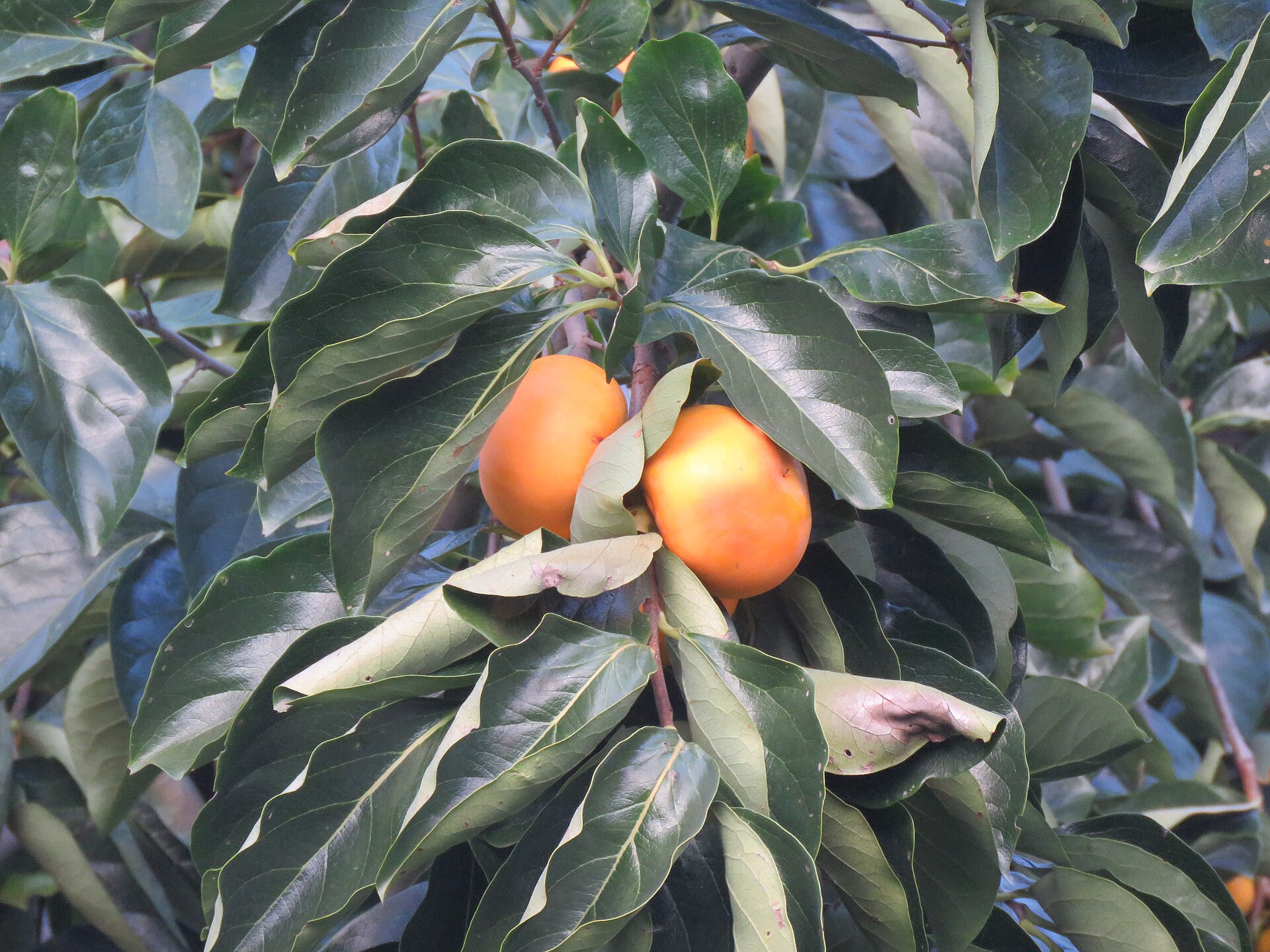
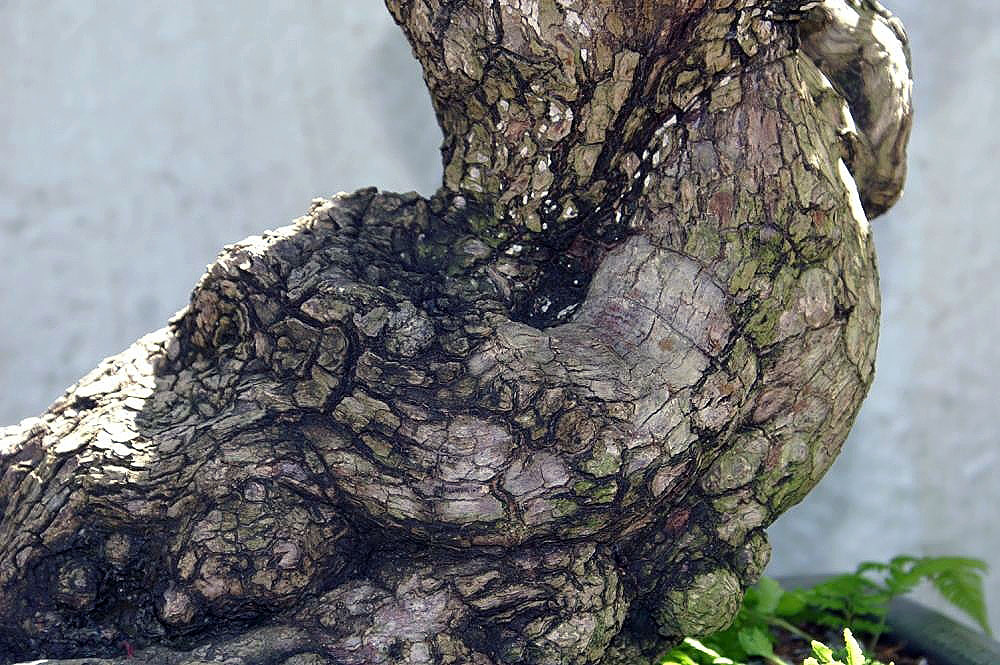
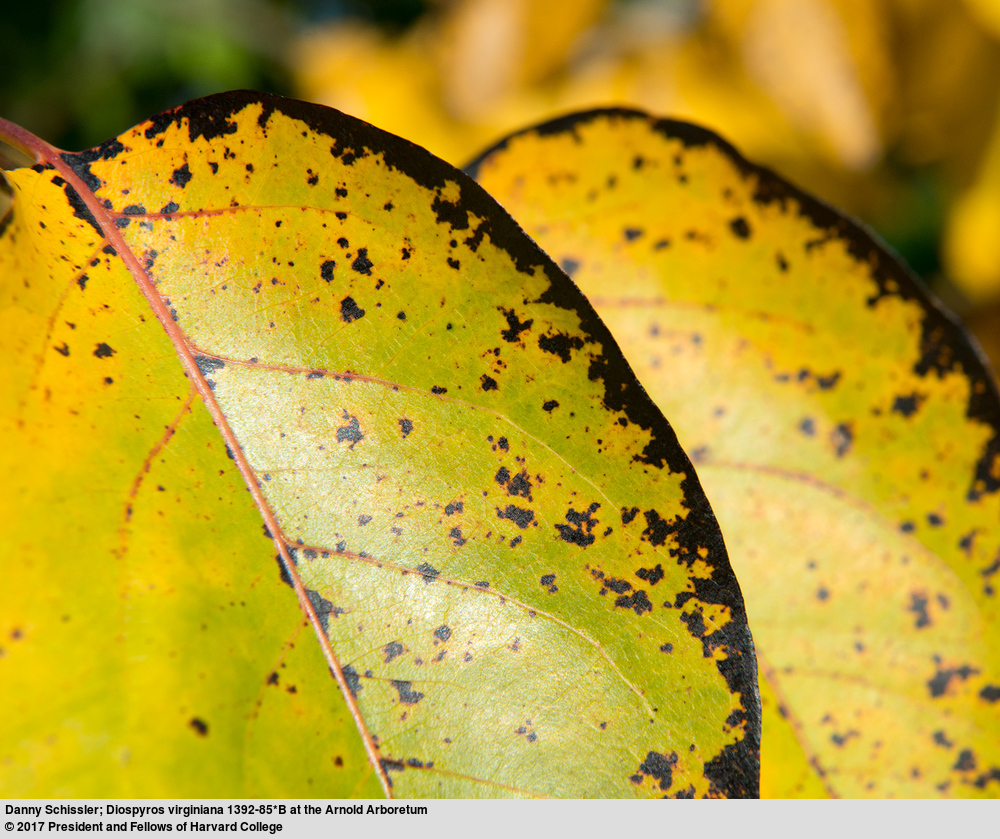
Persimmon is a deciduous tree that typically grows 20–30 feet tall and develops a rounded, spreading crown. Its oval to obovate leaves emerge yellowish-green in spring, mature to a glossy green in summer, and turn shades of gold to red in the fall. The species is usually dioecious, meaning male and female flowers grow on separate trees, although some trees may bear both flower types or perfect flowers. Its bark becomes fissured with distinctive rectangular or square-shaped furrows as the tree matures.
Papermaking/Natural Dye Uses and Processes
Persimmon has a strong history in papermaking all over the world, and is used for many techniques. The simplest way of preparing a persimmon dye is simply to grate the unripe fruit into a pulp, squeeze out the juice, and apply it directly to fabric, paper, or wood, before drying it in direct sunlight. It will oxidize into shades of orange to golden brown. Persimmon juice is naturally high in tannins, so this process does not require mordanting.
In Japan, persimmon is used to make kakishibu, a traditional Japanese dye made using fermented astringent (green or unripe) persimmon juice, which produces rich deep orange to brown and dark gray tones that deepen with repeated applications, sunlight exposure, and changes in pH or iron content. Kakishibu is also a form of water-proofing paper, as it strengthens and bonds the fibers and often creates a leathery texture when thickly applied. To create kakishibu, the green persimmons are ground, pressed, and fermented for one to three years. It is often available commercially in powdered form.
To dye using kakishibu, combine 50g powdered kakishibu with 1 liter water, mix thoroughly, and let stand overnight. The next morning, strain the solution to remove any clumps. The dye can then be brushed, sprayed, or dip-dyed onto paper, letting the paper dry between each layer and be left to oxidize in the sun. The more applications of kakishibu, the more leather-like and water resistant the paper becomes.
In Korea, persimmon dye is called gammul, prepared from unripe green persimmons that are ground into a meal and left to ferment. Sometimes the fresh unripe juice is used without fermenting. With this technique, the color change is not visible right away; the color reveals itself as the dye is exposed to air (oxidation) and sunlight over the course of a week.
Whenever preparing natural dyes it is recommended to designate a pot, utensils, and measuring implements solely for dye purposes. Use proper protective coverings when handling cooking chemicals and solutions. It is recommended to cook outdoors or in very well ventilated area on an electric burner.
History and Culture
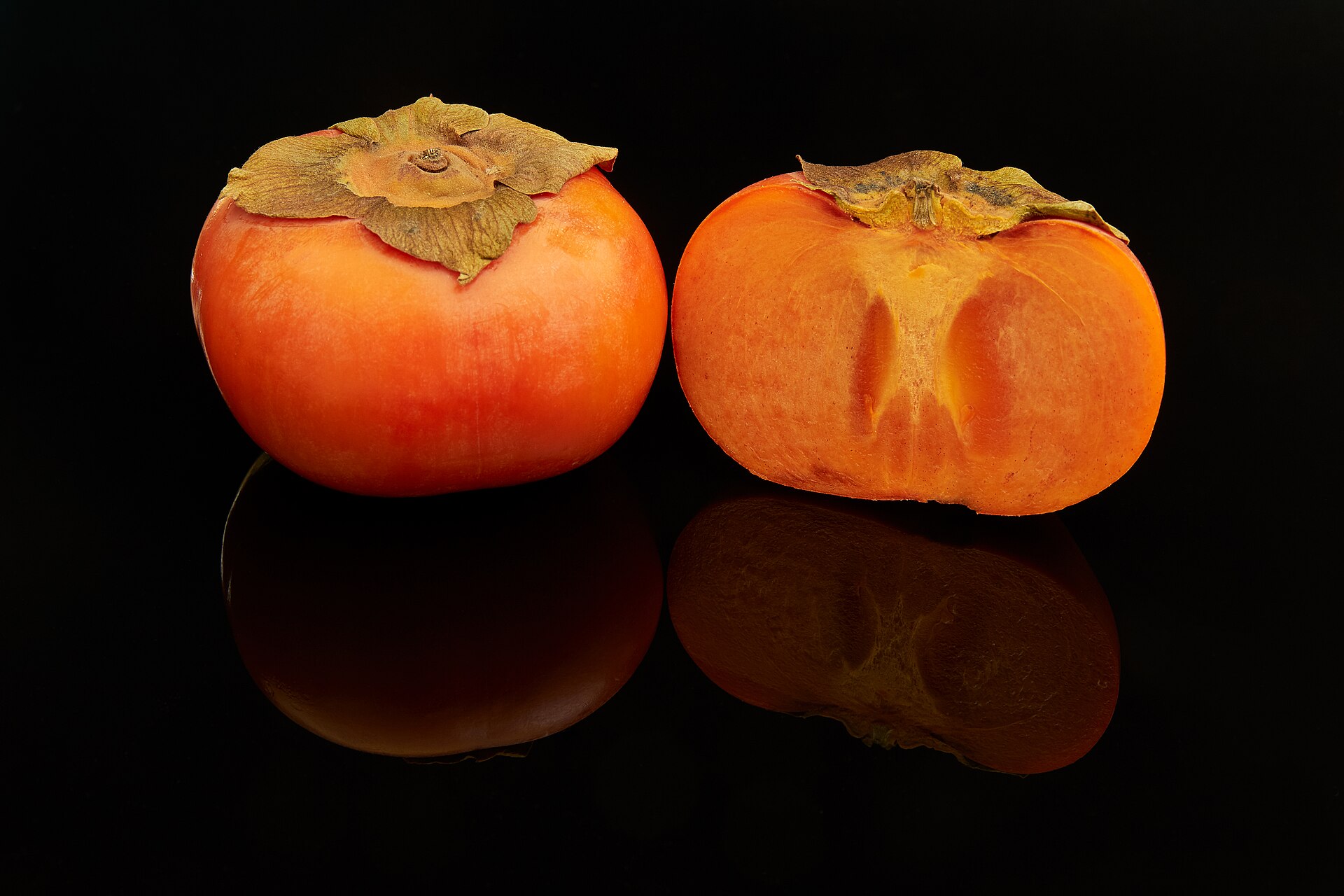
Persimmon fruits are commonly eaten fresh, either sliced or whole, and their flesh is also used in a variety of foods such as salads, pancakes, cookies, jams, jellies, marmalades, syrups, puddings, ice creams, and pies, while the leaves can be brewed into tea.
The genus name comes from the Greek dios meaning “divine” and pyros meaning “wheat” or “grain.”
In Japan, persimmon-based dye (kakishibu) has traditionally been used as a natural waterproofing agent for items like umbrellas and tools, as well as a protective coating in the production of katazome stencil paper. Kazatome is a fabric printing technique that consists of several layers of handmade mulberry paper laminated together using kakishibu and then smoked or cured to set the kakishibu into a waterproof varnish. The stencils were then used to apply dyes to fabric in specific patterns.