Showy Milkweed
( Asclepias Speciosa )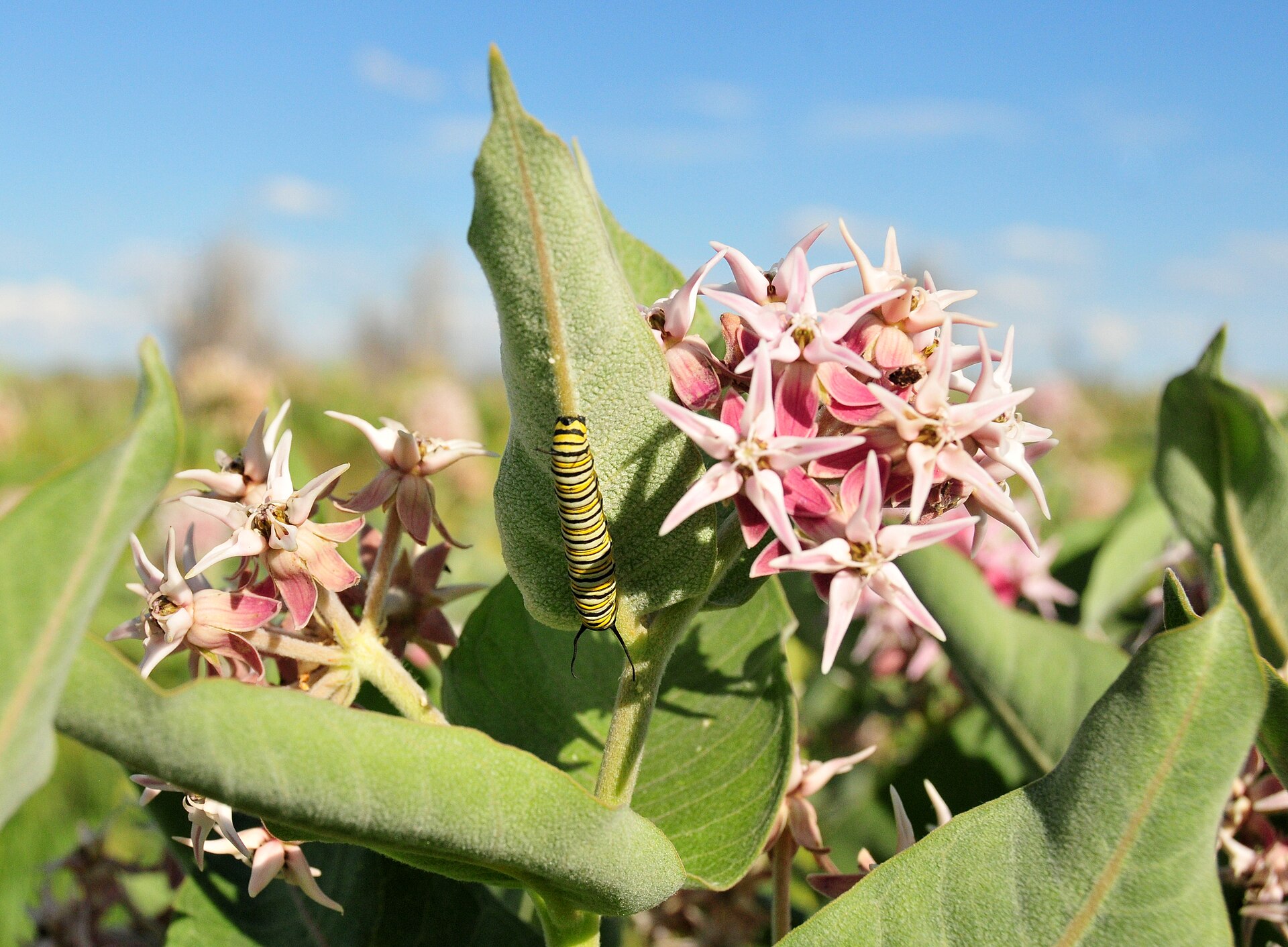
Quick Facts:
Planting and Care
Light: Full sun. Not shade tolerant.
Water: Moderate
Soil: Adaptable to coarse, medium, and fine soils; prefers moist conditions but withstands dry spells.
Tolerates sunny, dry, and moist conditions.
Grows from seed or root cuttings sown or taken in late fall or early spring. Requires 3 months of moist stratification at 40°F to improve germination. Plants from seed are generally stronger. Propagates easily in the wild via running shoots (rhizomes) from a deep taproot.
Botanical Information
Height: 2-6 ft
Spread: 2-3 ft
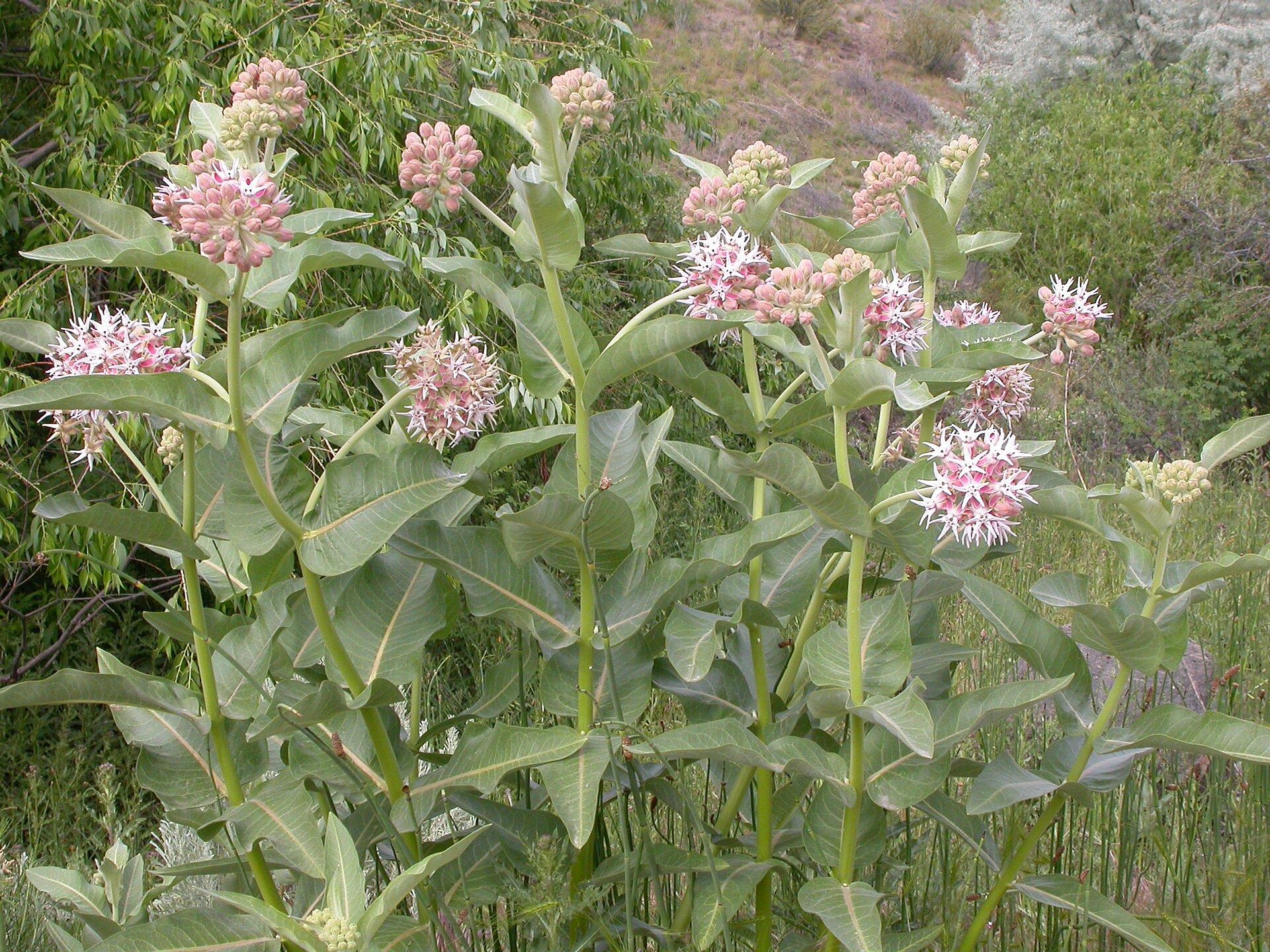
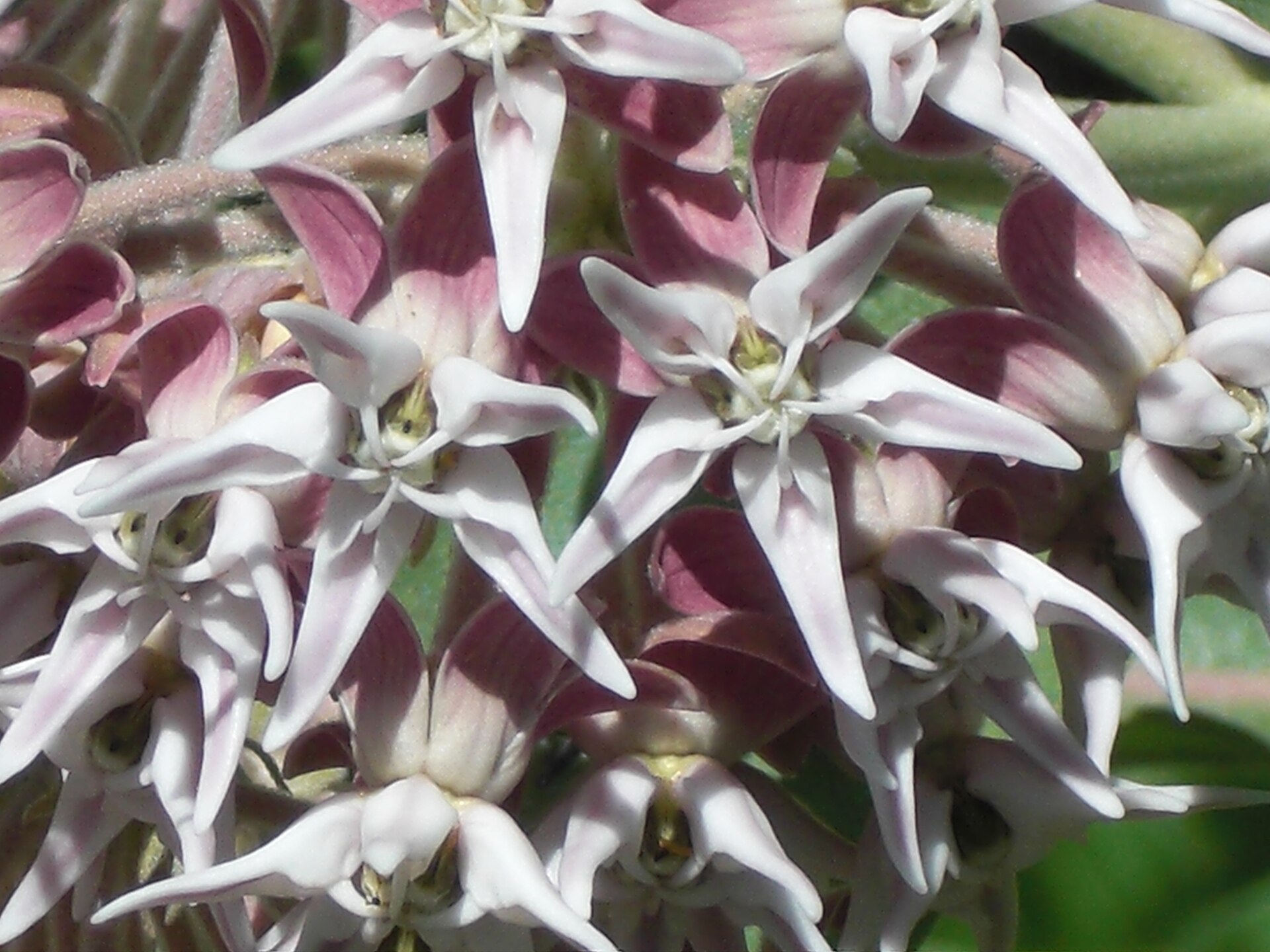
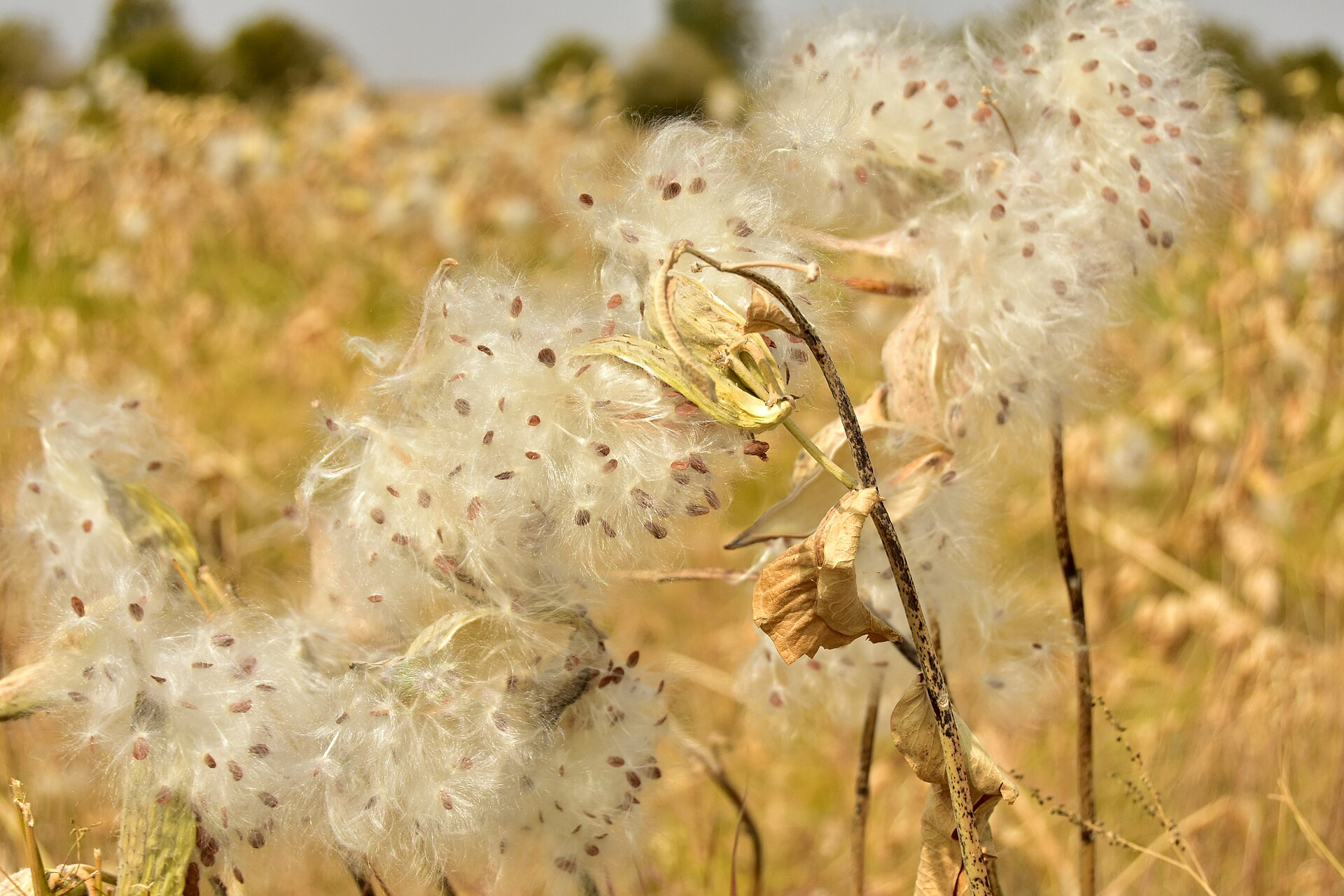
Stout and sparingly branched stems with large, oval, dark green leaves (3–8 in) in an opposite arrangement. The plant is covered in fine white hairs, distinguishing it from common milkweed. It produces fragrant clusters of pink, green, or purple flowers at the top of the stem from May to September. Fruits are follicles (pods) containing seeds attached to long, silky white hairs. Attracts hummingbirds and butterflies; serves as a critical host plant for Monarch butterfly larvae. This species is considered less toxic than other members of the Asclepias genus. However, sticky sap can cause skin irritation and stain fibers if harvested while flowering.
Papermaking/Natural Dye Uses and Processes
Bast Fiber: 5 lbs. of stems yield approximately 1.5 lbs. of fiber (about 14% of the plant is usable fiber). Fibers are slightly longer than cotton or kenaf with average tensile and burst strengths.
Bast Fiber Processing: Best harvested in late August-September or winter after pods form. Winter-harvested stalks require less retting and cooking. After the first frost the latex-like sap will break down in the plant making it easier to process.
Fermentation Method: Stems are soaked in water at 70 degrees or higher for 2–6 weeks (or left in the field over winter to field ret) to dissolve gums and break down fiber. Fermentation process may be accelerated by soaking in a milk solution. Freshly harvested stems can be peeled 30 minutes to 3 hours after harvest without steaming.
Fibers are cooked in an alkaline solution (soda ash, lye, or lime) for 2–6 hours, depending on caustic material used. Rinse fiber until water is clear. PH strips can be used to monitor the removal of cooking chemical. Use proper protective coverings when handling cooking chemicals and solutions. Recommended to cook outdoors or in very well ventilated area on an electric burner. Whenever preparing paper fibers designate a pot, utensils and measuring implements solely for fiber cooking. Fiber is then hand beaten into pulp or processed in a ball mill for 3 hours, or in Hollander beater.
Floss/Coma Fiber Processing: Best to use intact, non-open pods after Monarchs have finished feeding. Cream-colored floss is separated from brown seeds and cooked for 40 minutes in a 10% alkaline solution by weight. The fiber is then rinsed and beaten. Floss fiber is shorter than the stem bast fiber. Floss fiber is mixed with a binder to improve paper strength.
History and Culture
Historically, milkweed has been a vital resource across North America for medicine, food, and cordage. Pre-historic Pueblo textiles contained milkweed bast fibers, and Tewa-speaking people of the Rio Grande continue to use the fiber for string and rope. The waterproof, buoyant nature of milkweed floss made it a critical substitute for kapok in life jackets for servicemen during WWII.
Asclepias fruticosa has become naturalized in South Africa, and is a key fiber source for the Twanano Paper Making project, which promotes the handmade paper industry for rural and impoverished communities.
While milkweed produces high-quality paper, it is currently more economically viable to harvest from the wild than to cultivate on an industrial scale.