Tansy
( Tanacetum Vulgare )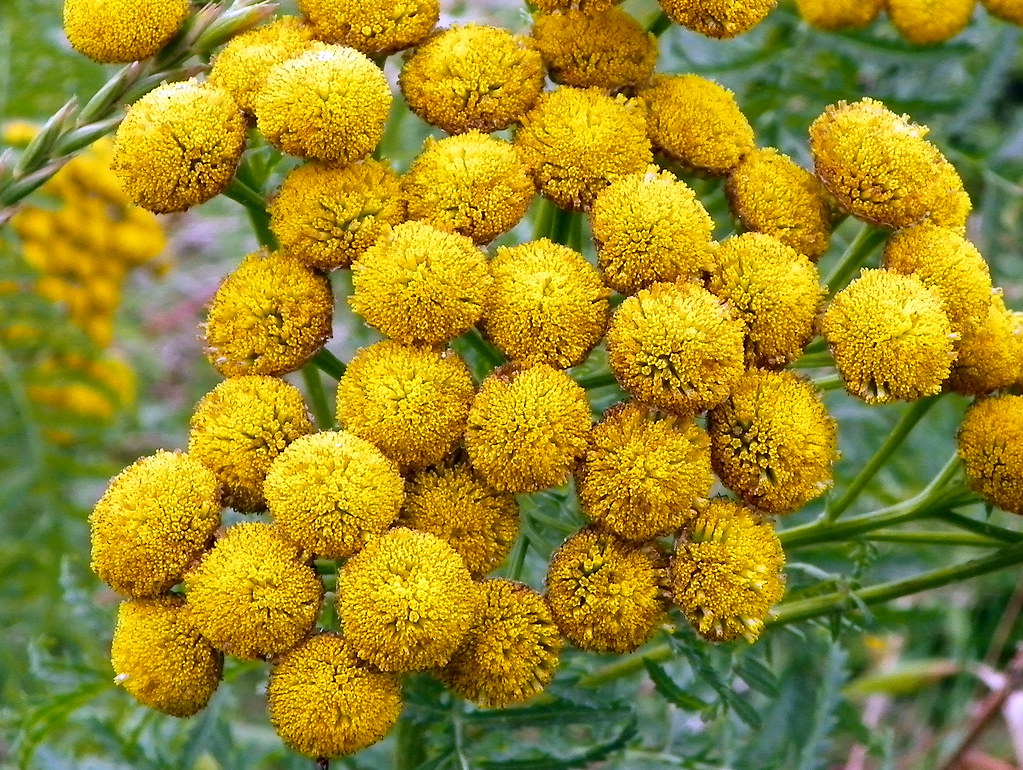
Quick Facts:
Planting and Care
Light: partial to full sun
Soil: well-drained, moist humus
Water: drought tolerant but grows best in moist conditions.
Botanical Information
Height: 5 ft
Spread: 1.5 ft
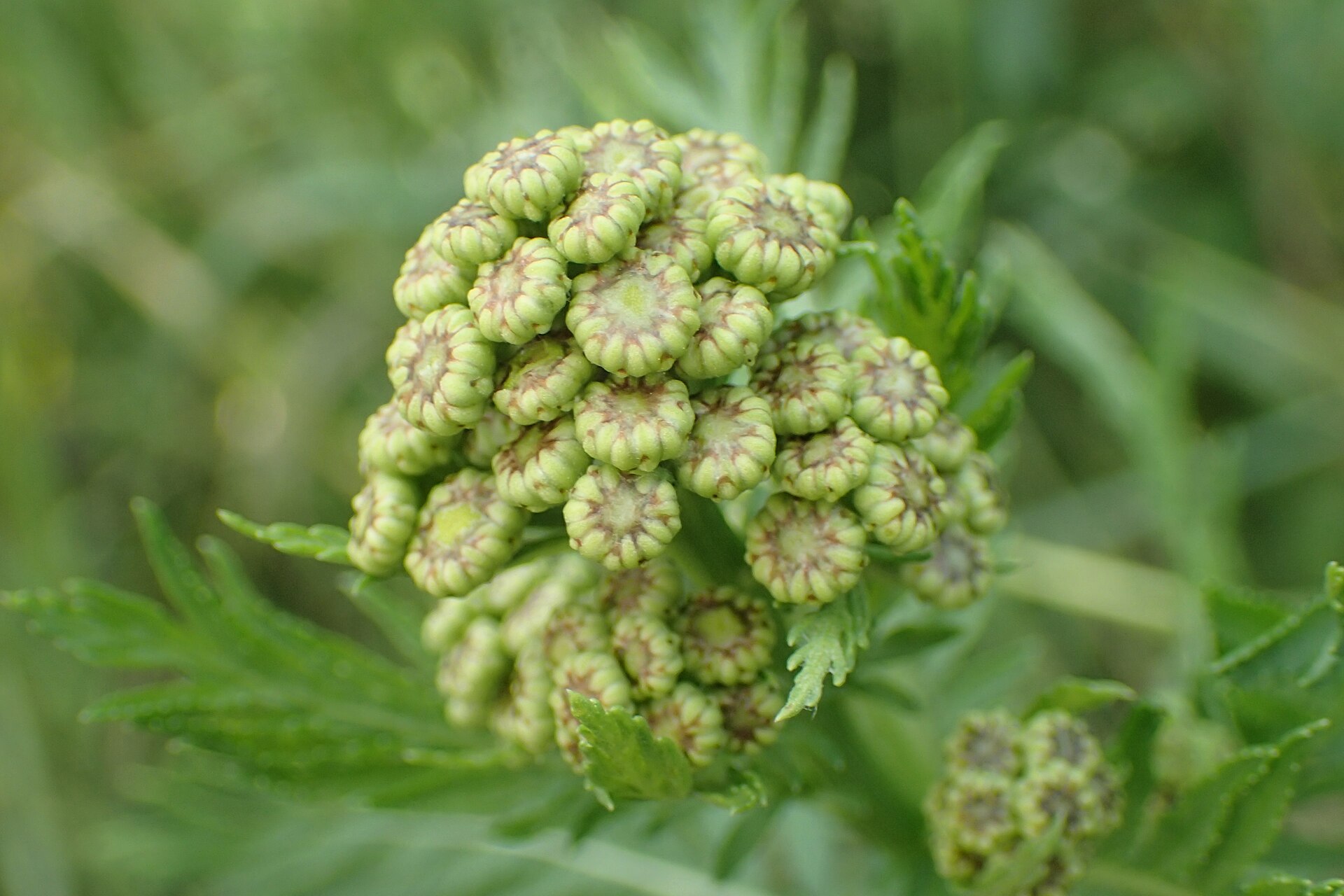
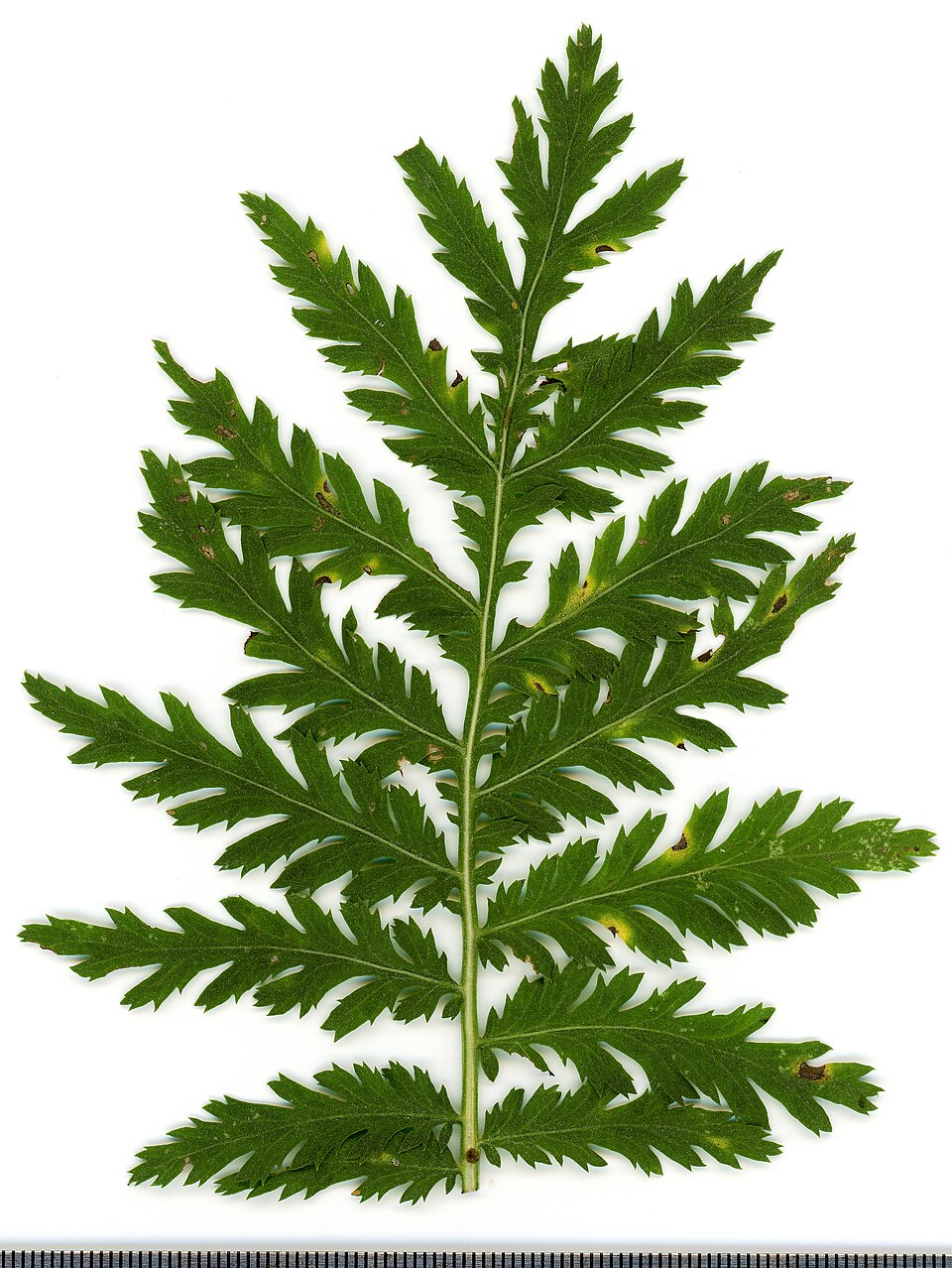
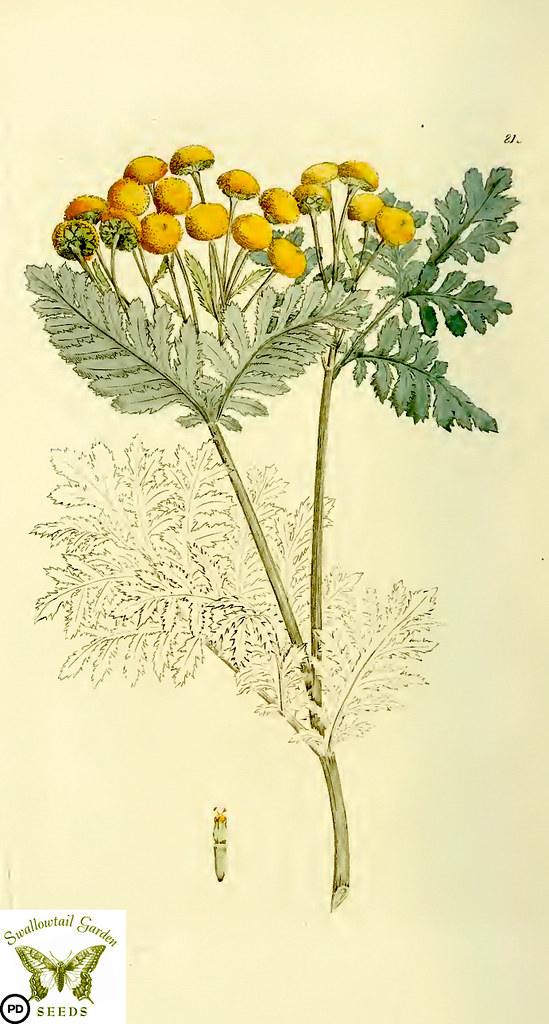
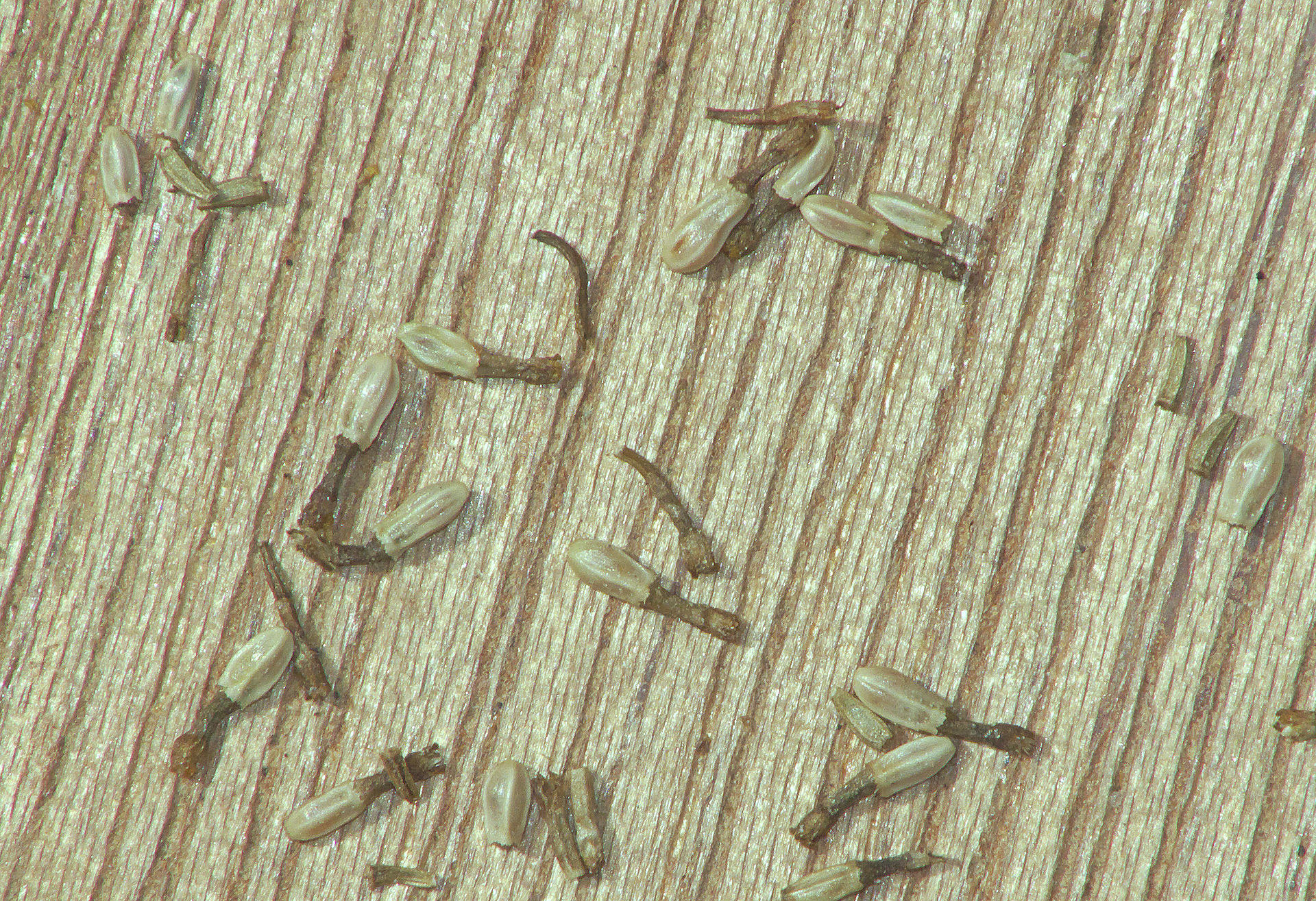
Tansy displays alternately arranged, oblong to elliptic leaves measuring 2 to 6 inches in length and up to 12 inches long and 4 inches wide. The leaves are pinnately lobed with deeply divided narrow segments, dentate margins, and a glabrous to sparsely hairy surface. When crushed, they emit a camphor-like odor. Clusters of golden-yellow button-like flowers bloom from July through September, followed by tiny dark brown seedheads that mature in late summer to fall.
The plant contains thujone, an oil that may cause skin irritation or contact dermatitis. Thujone is a potent compound, and excess consumption can cause convulsions or death. Common Tansy is toxic to horses, cattle, and humans, particularly when ingested in large quantities. It is considered an invasive noxious weed and is prohibited or restricted in some areas of the United States. Where it is grown, spent flowers should be clipped regularly to prevent self-seeding, and it is not recommended for flower beds or borders due to its spreading rhizomes.
Papermaking/Natural Dye Uses and Processes
The flowers contain high levels of apigenin and luteolin, the same yellow dye compounds found in weld. The leaves contain related but slightly different compounds, resulting in a marginally different yellow when used separately in the dye pot. Tansy flowers produce varying shades of yellow, green-yellow, gold, and bronze dyes.
To prepare the dye, remove the flowers from the stems and simmer them for about 1 hour. It can be left to soak for one to two days. After soaking, the dyestuff is strained and applied to paper by dipping, spraying, or painting it on. A mordant like alum or iron oxide is used to fix the color, which is usually applied between each coat of dye.
Whenever preparing natural dyes it is recommended to designate a pot, utensils, and measuring implements solely for dye purposes. Use proper protective coverings when handling cooking chemicals and solutions. It is recommended to cook outdoors or in very well ventilated area on an electric burner.
History and Culture
The genus name Tanacetum derives from the Greek word athanasia, meaning "immortal." The plant was brought to North America by European settlers in the 1600s for medicinal and horticultural use, and was employed in the treatment of constipation, hysteria, intestinal worms, rheumatism, and digestive disorders. The leaves were used to wrap corpses to slow decay and to protect meats from flies and ants. More recently, the plant has been studied for potential use as an insecticide and mosquito repellent.