Blue Flag Iris
( Iris Versicolor )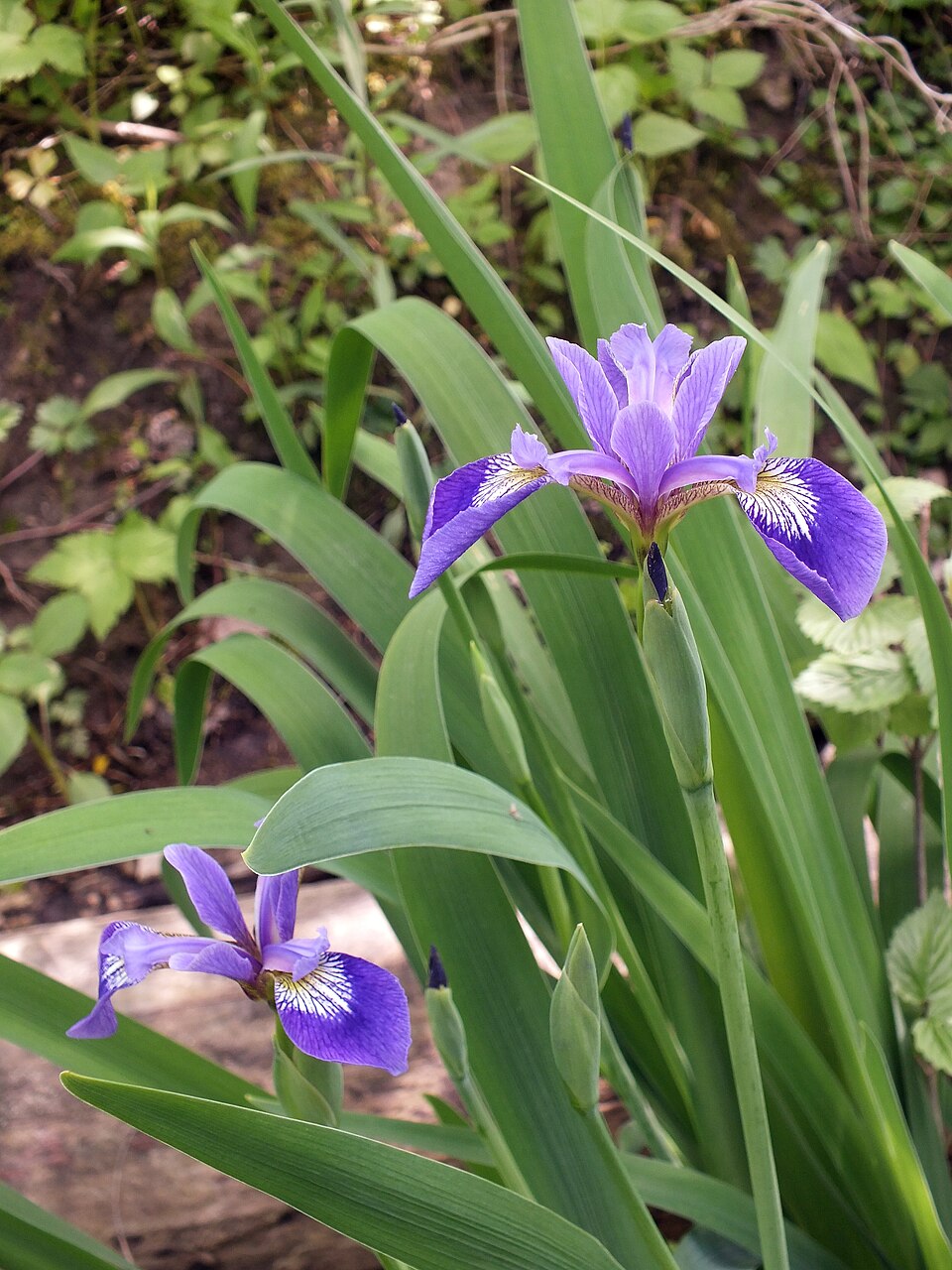
Quick Facts:
Planting and Care
Light: full sun to partial shade; enjoys afternoon shade
Soil: neutral to high pH; requires good drainage but thrives in moist environments
Water: does not tolerate frequent summer watering once established; may require initial irrigation. Avoid planting near moisture-loving plants that require constant saturation. Starts growth in fall with rains and cooler weather. Remove old leaves from center clumps and cut back in fall. Deer and rabbit resistant. Susceptible to aphids, beetles, slugs, and thrips. Prone to soft rot, botrytis blight, and root/crown rots.
Botanical Information
Height: 18-30 in
Spread: 18-24 in
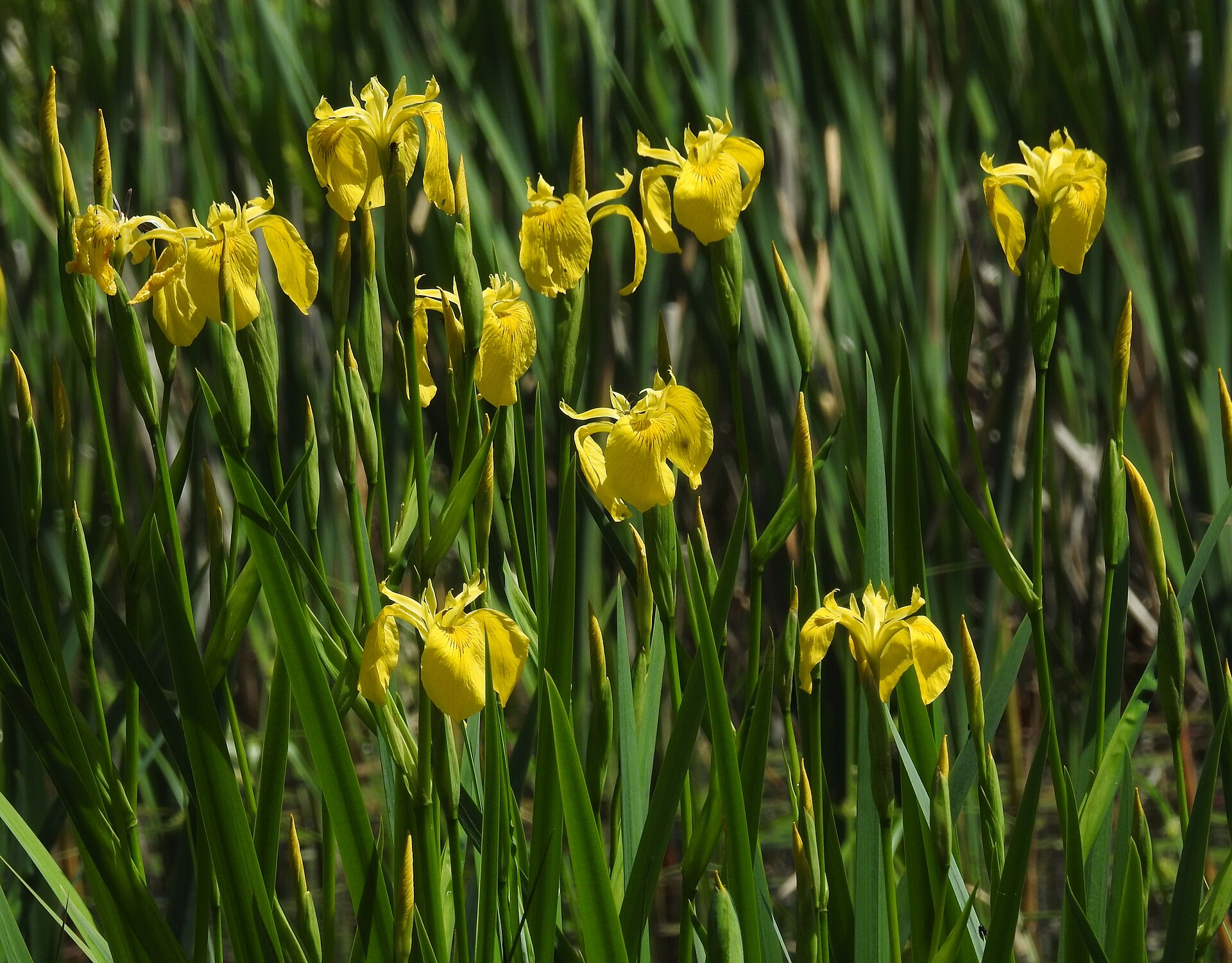
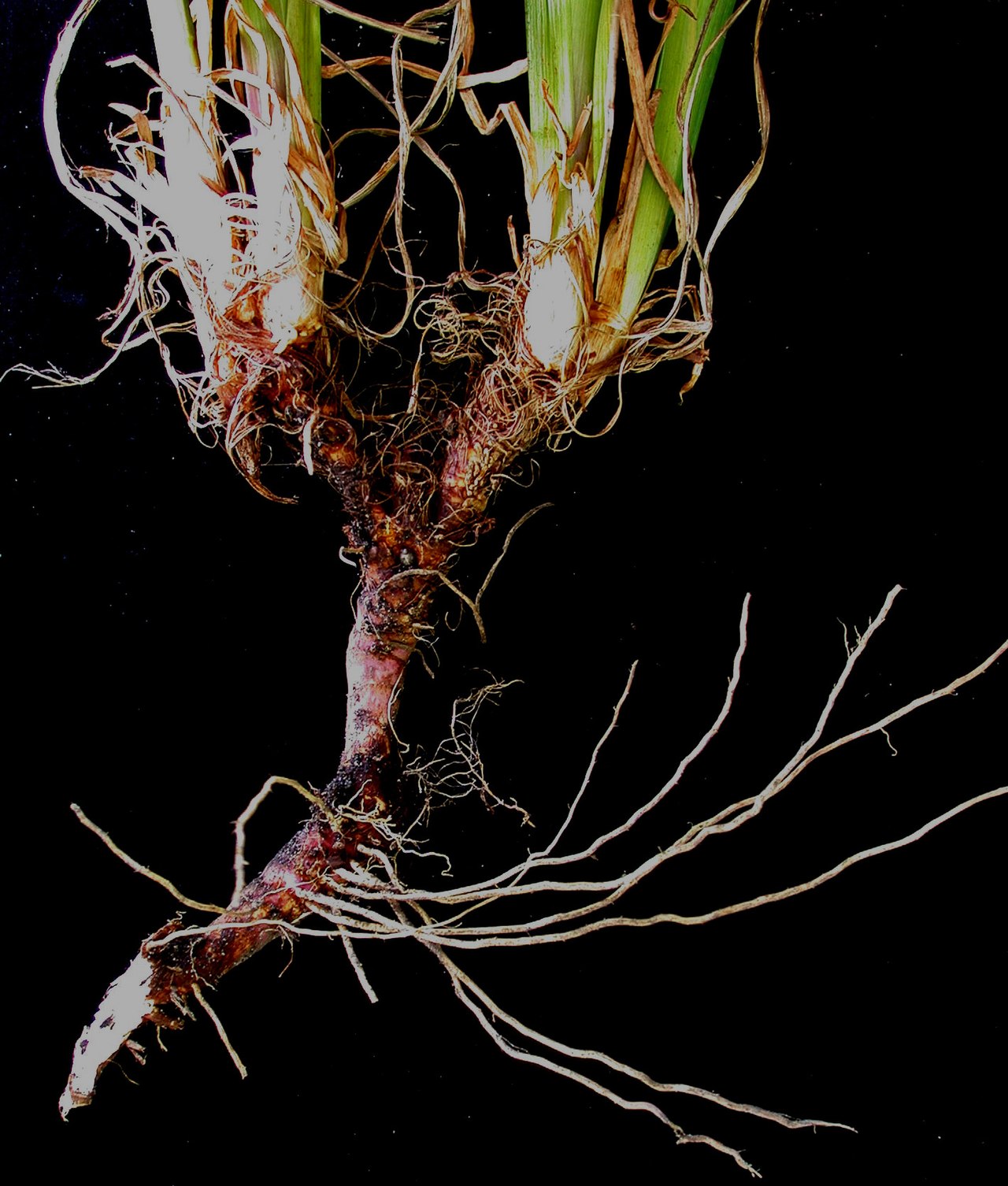
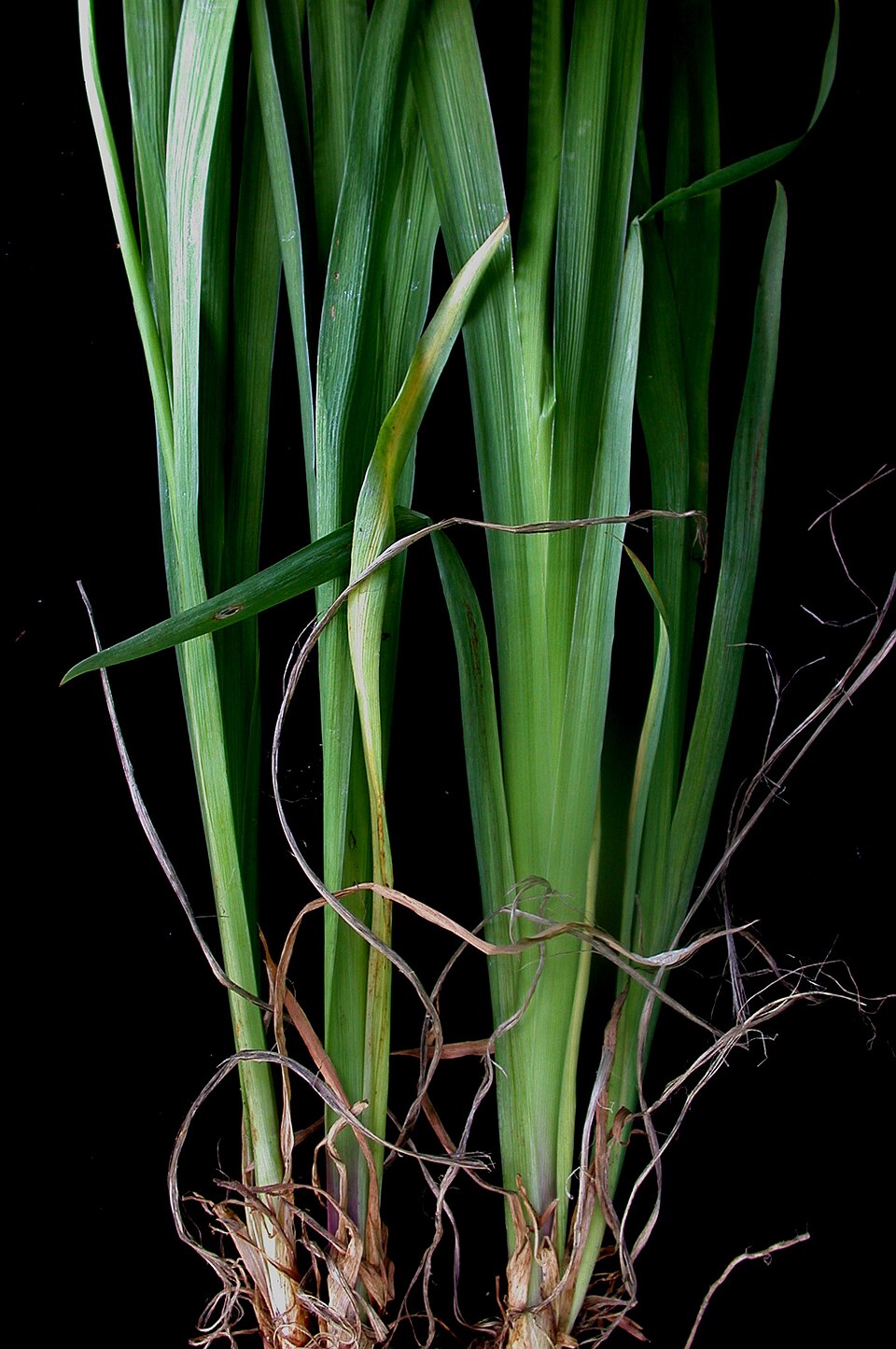
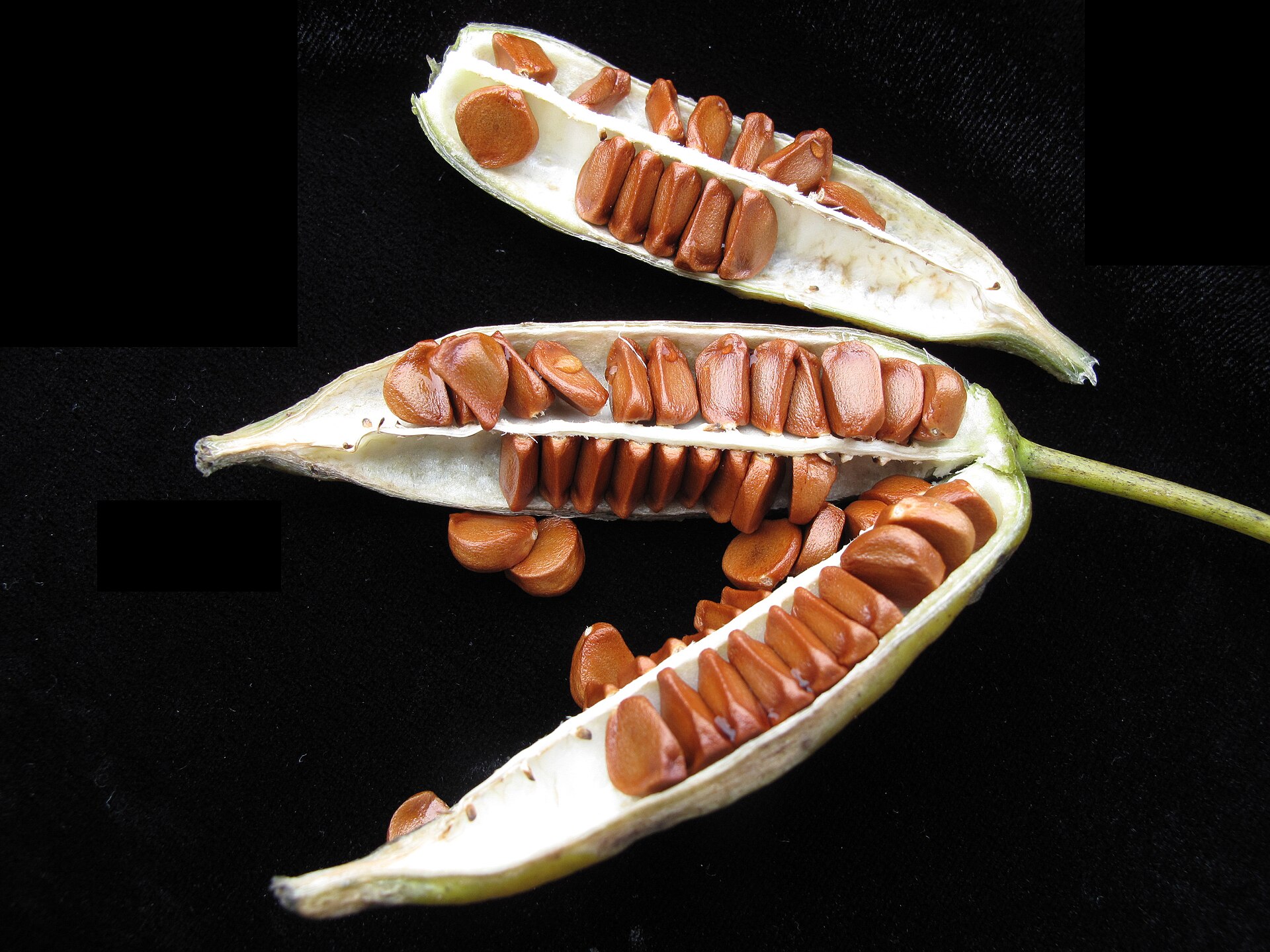
Perennial plants that grow from a rhizome, corm, or bulb. Leaves are long, sword-shaped, bluish-green, and turn gold in the fall. Orchid-like blooms feature 3 upright and 3 downward petals. Member of the common iris subspecies come in a variety of colors: black, blue, cream, yellow, orange, pink, purple, red, and white. The fruit is a brown capsule. Contact dermatitis may occur from handling roots, sap, or seeds.
Papermaking/Natural Dye Uses and Processes
Several native sub species of blue flag irises in North America including Iris missouriensis and Iris versicolor; in the south east US, Iris verginica and Iris tridentata can be used.
Fiber Processing: Iris provides "fine and silky" leaf fibers that are strong and flexible. Collect leaves in fall (brown) or green after flowering. Cut dry leaves into 2-inch lengths. Do not ret. Fresh leaves are scraped for their fiber and presoaked 24 hours before cooking. Cook with alkaline solution (soda ash, lye, or lime) for about two hours, stirring & checking fiber every 30 minutes. Recommended to cook outdoors or in very well ventilated area on an electric burner. Rinse until water is clear. PH strips can be used to monitor the removal of cooking chemicals. Use proper protective coverings when handling cooking chemicals and solutions. Hand beat, or process in a blender or ball mill for 3 hours.
Pigment & Dyeing: A variety of colors can be extracted from petals, leaves, and roots. The addition of minerals can further augment these colors. Green pigment may be extracted from leaves. Adding copper creates a more vibrant shade. Roots produce black or brown dye, and pollen was used to produce yellow paint.
Whenever preparing paper fibers or natural dyes it is recommended to designate a pot, utensils, and measuring implements solely for fiber cooking & dye purposes. Use proper protective coverings when handling cooking chemicals and solutions. It is recommended to cook outdoors or in very well ventilated area on an electric burner.
History and Culture
First described scientifically around 60 CE by the Greek physician Pedanius Dioscorides. Ancient Greeks used the roots for deodorant and wine flavoring; it remains a key ingredient in modern gin, perfumes, and candies. White iris features in Muslim burial contexts in the Middle East and North Africa, as well as in Spanish-influenced regions of the U.S. For Native American communities in Northwestern California, the strong, silky fibers were essential for nets, string, and bags.