Fig
( Ficus Spp. )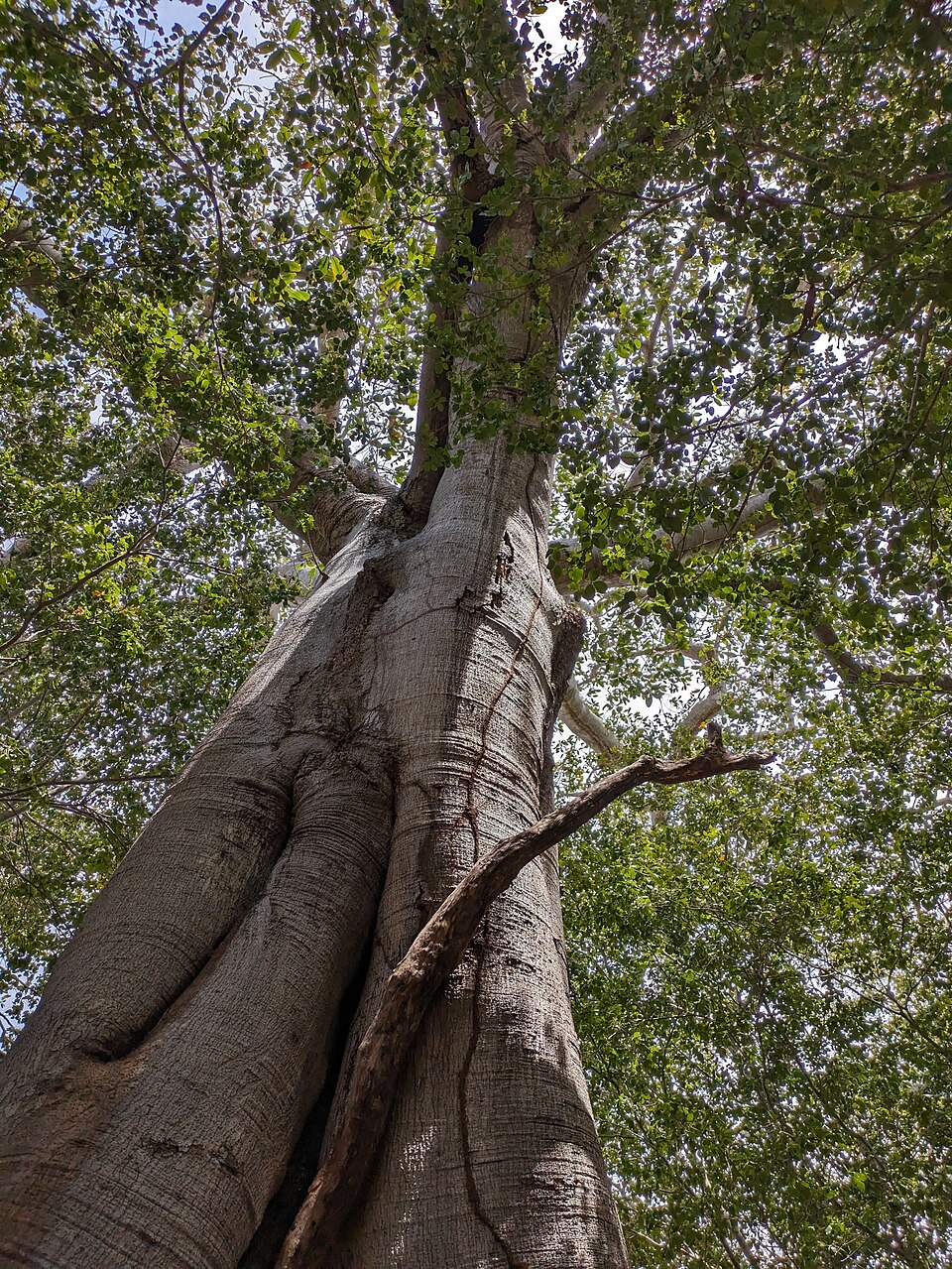
Quick Facts:
Planting and Care
Light: full sun (at least 6 hours); thrives when planted against south-facing walls for radiant heat.
Soil: well-drained, neutral to acidic; does not tolerate alkaline soil
Water: moderate; sensitive to over or under-watering. Allow the tree to dry out between deep soakings.
Rapid growth; produces suckers. Fruit forms on new wood, so pruning is essential.
May be successfully grown indoors, or overwintered indoors if grown in containers. Propagate by layering or stem cutting, or using suckers. Susceptible to mealybugs, spider mites, blight, and leaf spots.
Botanical Information
Height: 10-30 ft
Spread: 15-30 ft
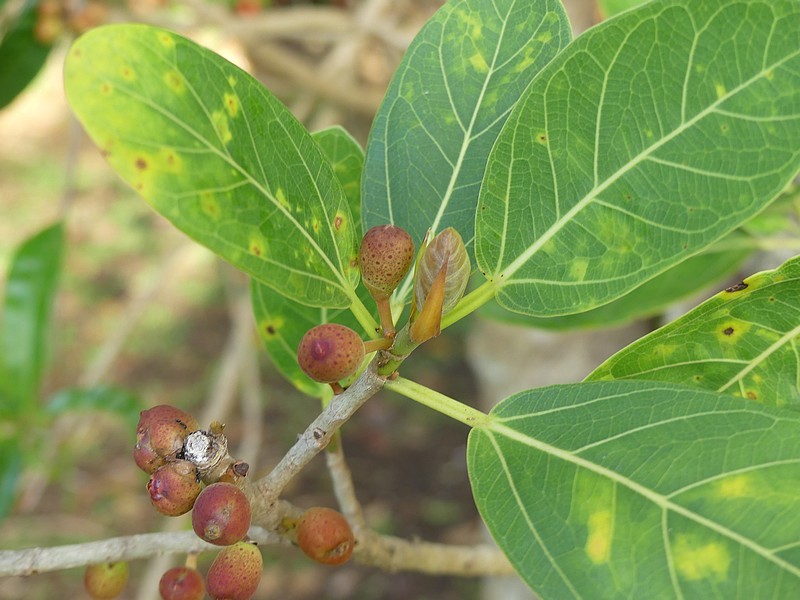
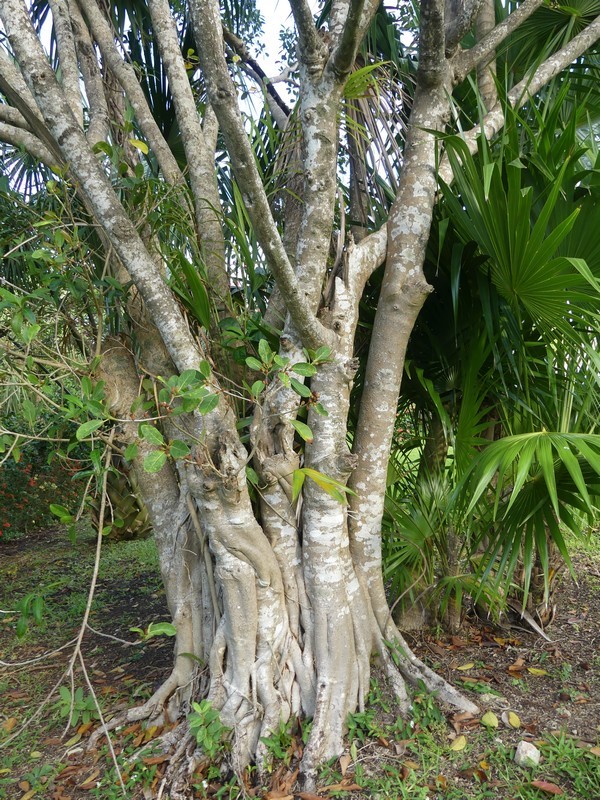
Showy plant characterized by light gray bark and brown or copper stems. Leaves are typically green with a soft, hairy feel and a palmasect (lobed) shape, growing up to 6 inches long. All species produce a thick white latex sap. Fig is related to the rubber tree. Cultivated varieties fruit without pollination, while wild species rely on specialized fig wasps. The Fig produces small edible fruits which are black, brown, green, or purple. The milky sap contains ficin, which can cause contact dermatitis.
Papermaking/Natural Dye Uses and Processes
Ficus is the primary source for traditional Aztec & Mayan Amate paper. Unlike macerated pulp paper, amate is created by felting the inner bark . The fiber is also used for papermaking
Fiber Processing: Bark is more easily stripped during spring/early summer months when sap flow is at its height and allows for easier debarking. Parallel incisions are made in the branches and the bark is removed in long strips, or a circular cut is made at the branch top and bottom with one long cut down the length of the branch. The bark is lifted up at the lengthwise cut and then peeled from the branch. The outer bark is soaked for 24 hours until the inner and outer bark can be separated. The outer bark is then scraped to remove exterior brown & green layers, leaving the white fiber. Fiber may then be dried. If dried, fiber should be soaked 24 hours before cooking.
Dried fibers are boiled in ash water (or solution of lye, soda ash, or lime) for 2–6 hours to soften them, then rinsed until water is clear. Use pH strips to monitor the removal of cooking chemicals. Use proper protective coverings when handling cooking chemicals and solutions. It is recommended to cook outdoors or in very well ventilated area on an electric burner. Whenever preparing paper fibers designate a pot, utensils, and measuring implements solely for fiber cooking. The fiber has a unique smell of cinnamon while cooking.
For making amate, a bark paper, fibers are arranged in a grid formation on a wooden board. They are beaten with stone otomi beaters while damp until the fibers amalgamate and blend together, similar to felting. The paper is sun-dried on the boards. Once dry, it may be polished with orange peels to create a smooth, uniform surface.
For papermaking: Beat fiber and form sheets in same method as paper mulberry plants in the Moraceae family. After cooking, fibers are hand-cleaned in water to remove any remaining outer bark, and beaten into pulp. Beat for 20-40 minutes by hand, beat for 30 minutes in a naginata, or cut into 1x1 inch pieces and beat in a hollander for 15-30 minutes.
History and Culture
Fig paper was used by the Maya (who called it huum) and Aztecs to create sacred codices. It was originally used for clothing (bark cloth) before being adopted exclusively for writing and ritual use. Under Spanish colonization, amate production was banned. It was secretly manufactured to preserve indigenous ritual practices and was reintroduced commercially in the 1960s. Since then, handmade amate is primarily produced by the Otomi people of Sierra Norte de Puebla. While traditionally made by both genders, the amate making process is now primarily conducted by women. Amate is sold as a specialty canvas and used for folk art and traditional healing ceremonies.