Blackberry
( Rubus Fruticosus )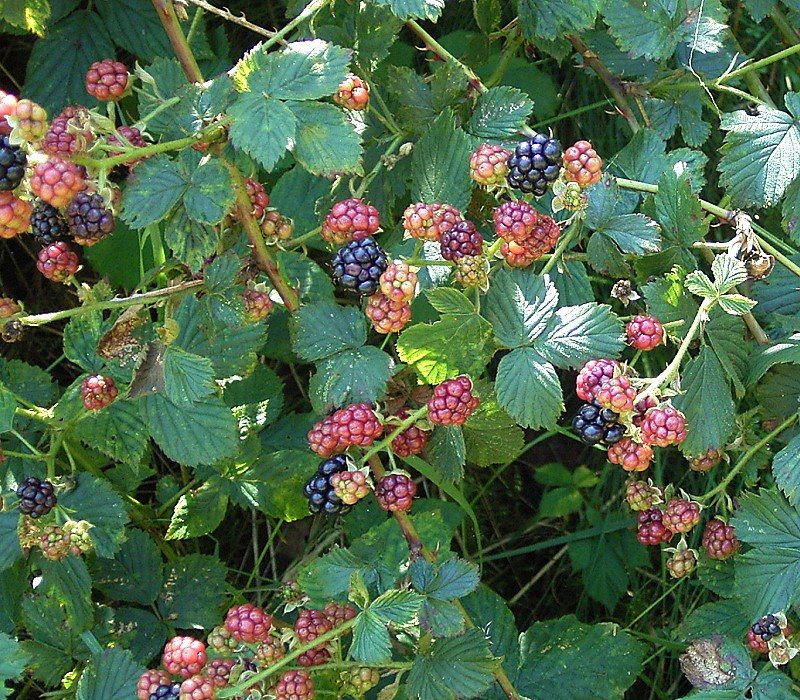
Quick Facts:
Planting and Care
Light: full sun to partial shade
Soil: moist, organically rich, slightly acidic, well-drained soil. Does not tolerate soggy conditions
Water: moderate
Medium maintenance. Lifespan 15-40 years.
Raised beds recommended in heavy clay.
Propagate via seeds or cuttings.
Can be affected by botrytis, verticillium wilt, cane borers, and crown borers.
Botanical Information
Height: 3-5 ft
Spread: 2-3 ft
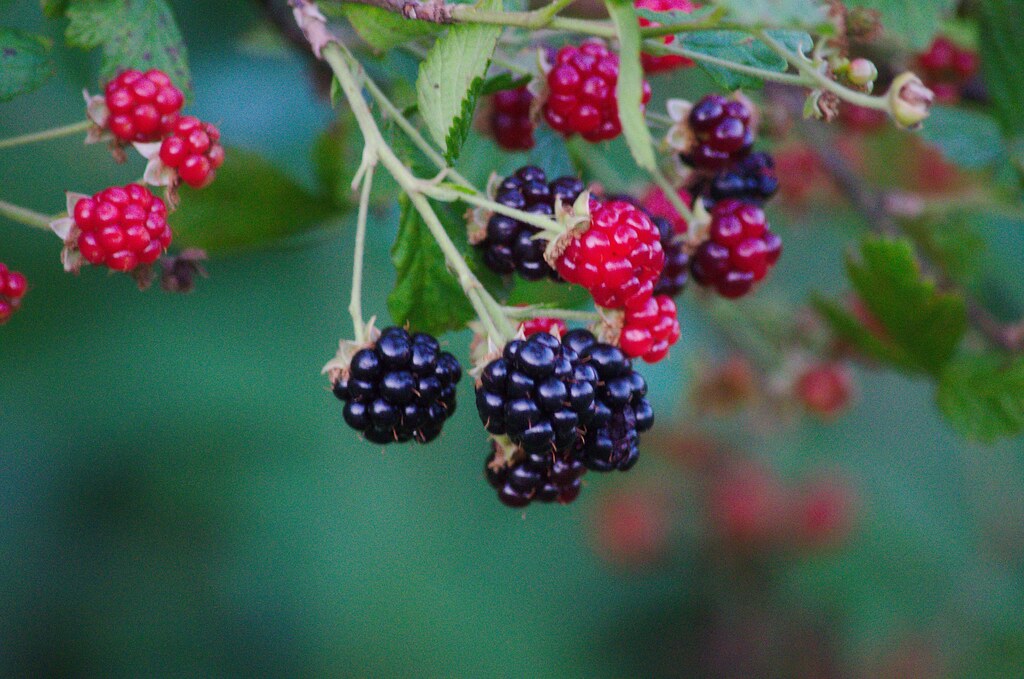
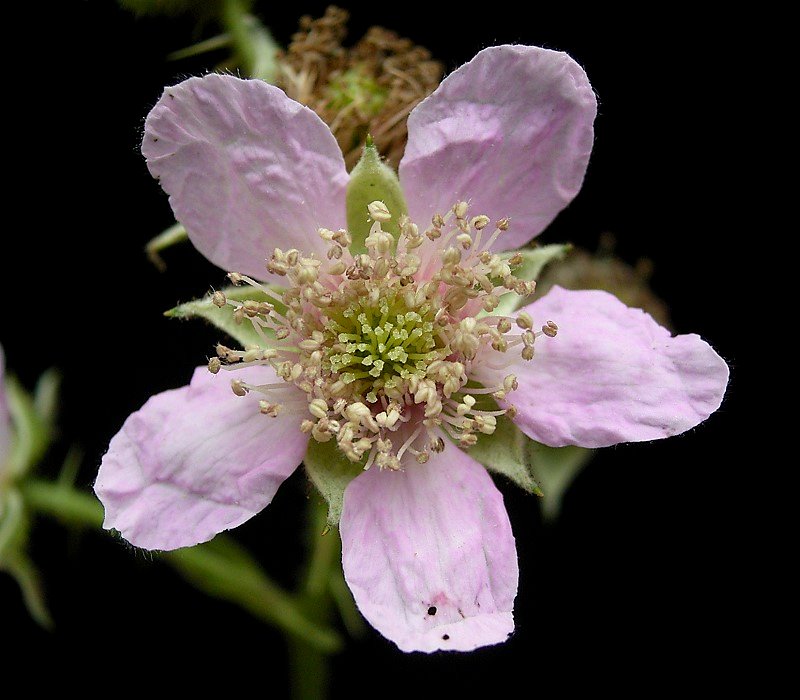
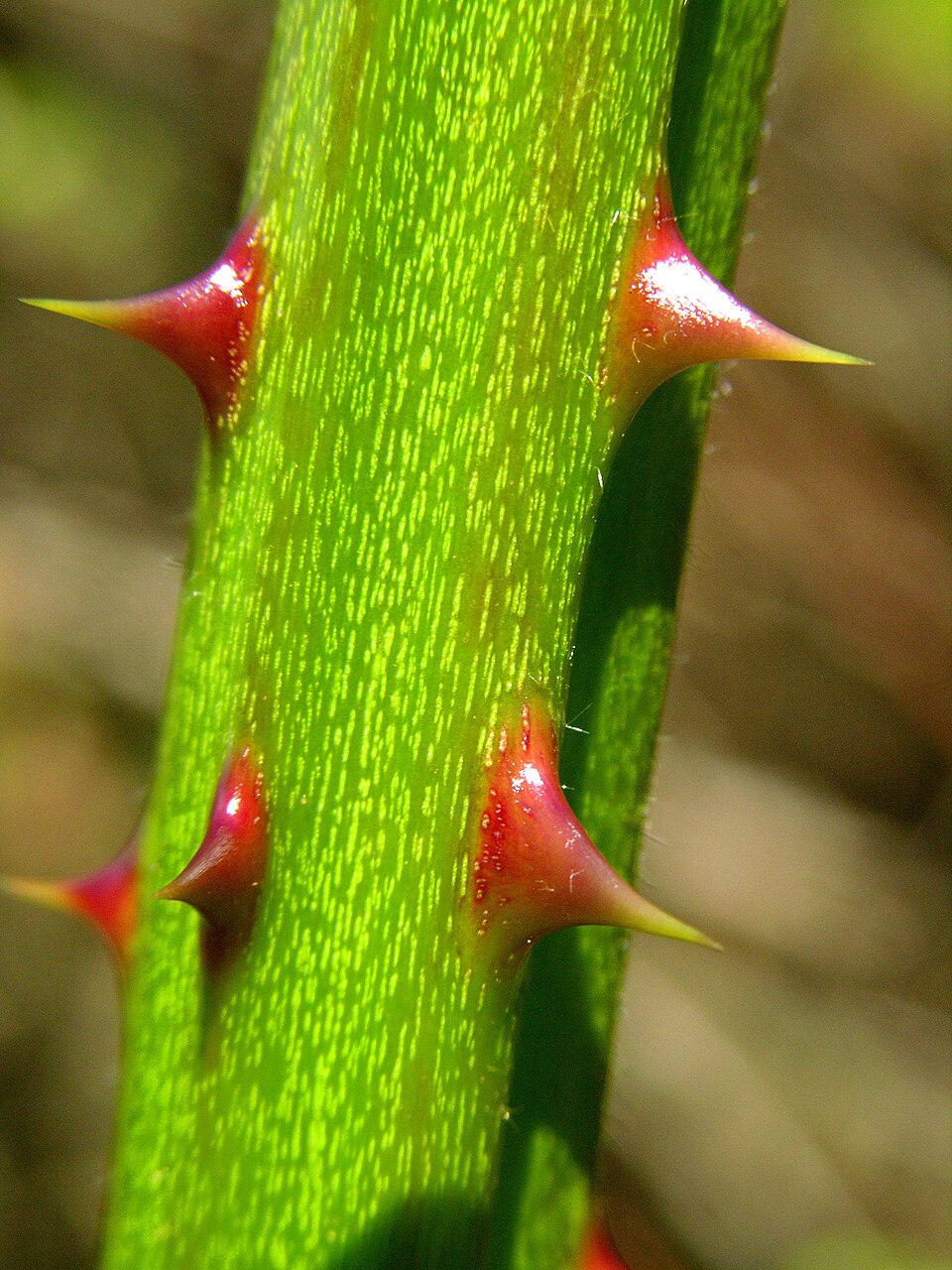
Closely related to raspberry. Grows on woody canes that may stand upright or trail along the ground. Produces showy light-colored flowers in spring (April–May), followed by edible black or purple fruits in summer. Attracts wildlife including birds, butterflies, and deer. Some varieties are self-fruitful. Stems are typically thorny, though some cultivars are thornless.
Papermaking/Natural Dye Uses and Processes
Fiber Processing: Canes and branches are harvested after fruiting in late summer. Thorns are removed and fibers stripped immediately. Fibers are cooked in lye or other alkaline solution for approximately two hours before being beaten by hand or in ball mill for 3 hours. Rinse fiber until water is clear. PH strips can be used to monitor the removal of cooking chemicals. Use proper protective coverings when handling cooking chemicals and solutions. It is recommended to cook outdoors or in very well ventilated area on an electric burner. Produces a light brown paper that is brittle and tears easily.
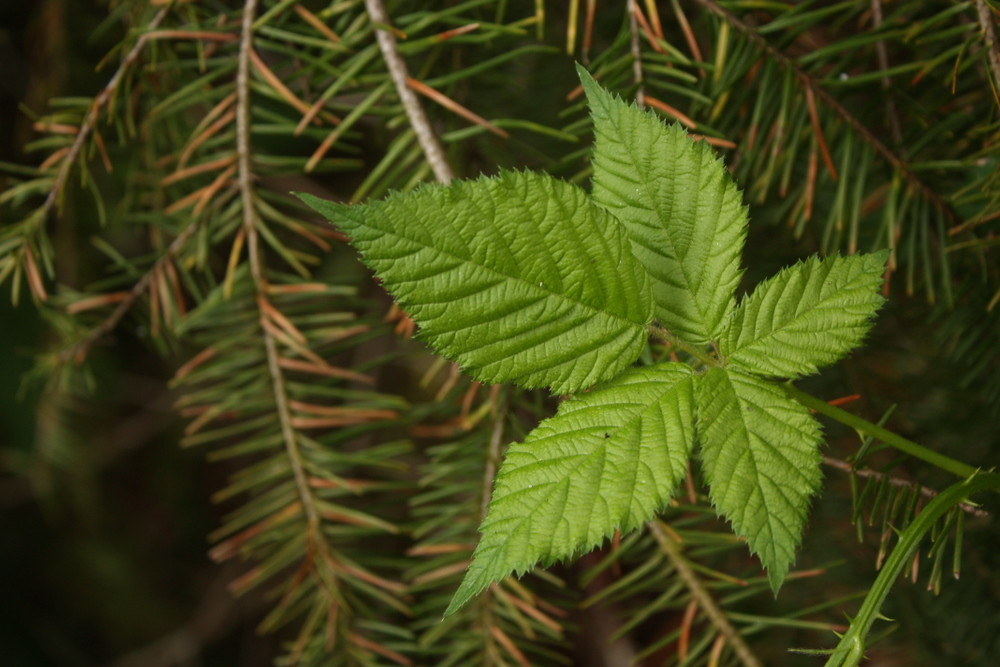
Dye & Pigment: Blackberry fruit produces lavender to blue, & grey dye color, and the leaves produce yellow green, to grey and dark grey-green colors. It is recommended that the dye pot be a ratio of 10.5 oz berries per 6 pints of water. Simmer crushed berries, stems, or leaves for one hour, let stand, strain, then add mordanted material. Simmer for one hour and allow the material to cool in the dye bath for deeper color. Dye baths from fresh plant material are generally brighter shades than plant material that has been dried or frozen beforehand.
To coat paper: pre-treat the paper with mordant (alum or iron oxide) to fix the dye, then coat the paper by dipping, spraying, or painting the dye on and let dry. Add a second coat of mordant and dye to deepen the color.
Whenever preparing paper fibers or natural dyes it is recommended to designate a pot, utensils, and measuring implements solely for fiber cooking & dye purposes. Use proper protective coverings when handling cooking chemicals and solutions. Recommended to cook outdoors or in very well ventilated area on an electric burner.
History and Culture
Used since the end of the Ice Age for food, medicine, cordage, and cosmetics. Medicinal uses included treatments for shingles, eye inflammation, and snakebite. It also served as a hair dye. Documented in the writings of Hippocrates (4th century BCE) and illustrated as early as 512 CE in the Byzantine Juliana Anicia Codex. Modern research explores the plant’s fibers as reinforcement for synthetic materials, improving strength while reducing synthetic content.