Kenaf
( Hibiscus Cannabinus )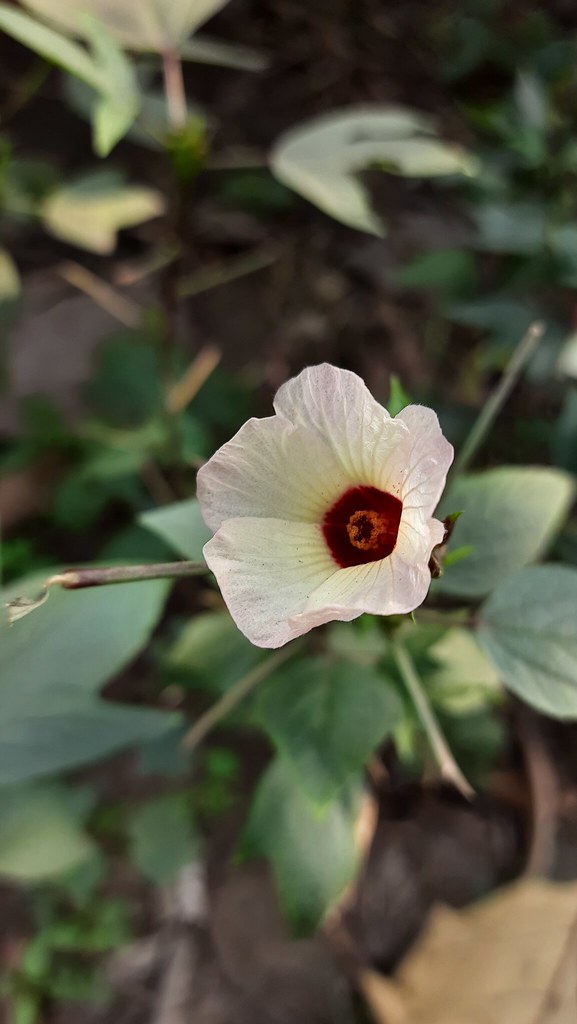
Quick Facts:
Planting and Care
Light: full sun
Water: moderate to high
Soil: well-drained, sandy loam.
Prefers a pH in the range 6 - 7.5, tolerating 4.3 - 8.2.
Kenaf is daylight sensitive; it will remain vegetative and only flower once the daylength is less than 12.5 hours per day.
Propagation: Kenaf sowing should take place in spring as soon as the soil temperature is higher than 15°C.
Growth rate: Grows quickly and can reach full size within a single growing season.
Lifespan: several years.
Botanical Information
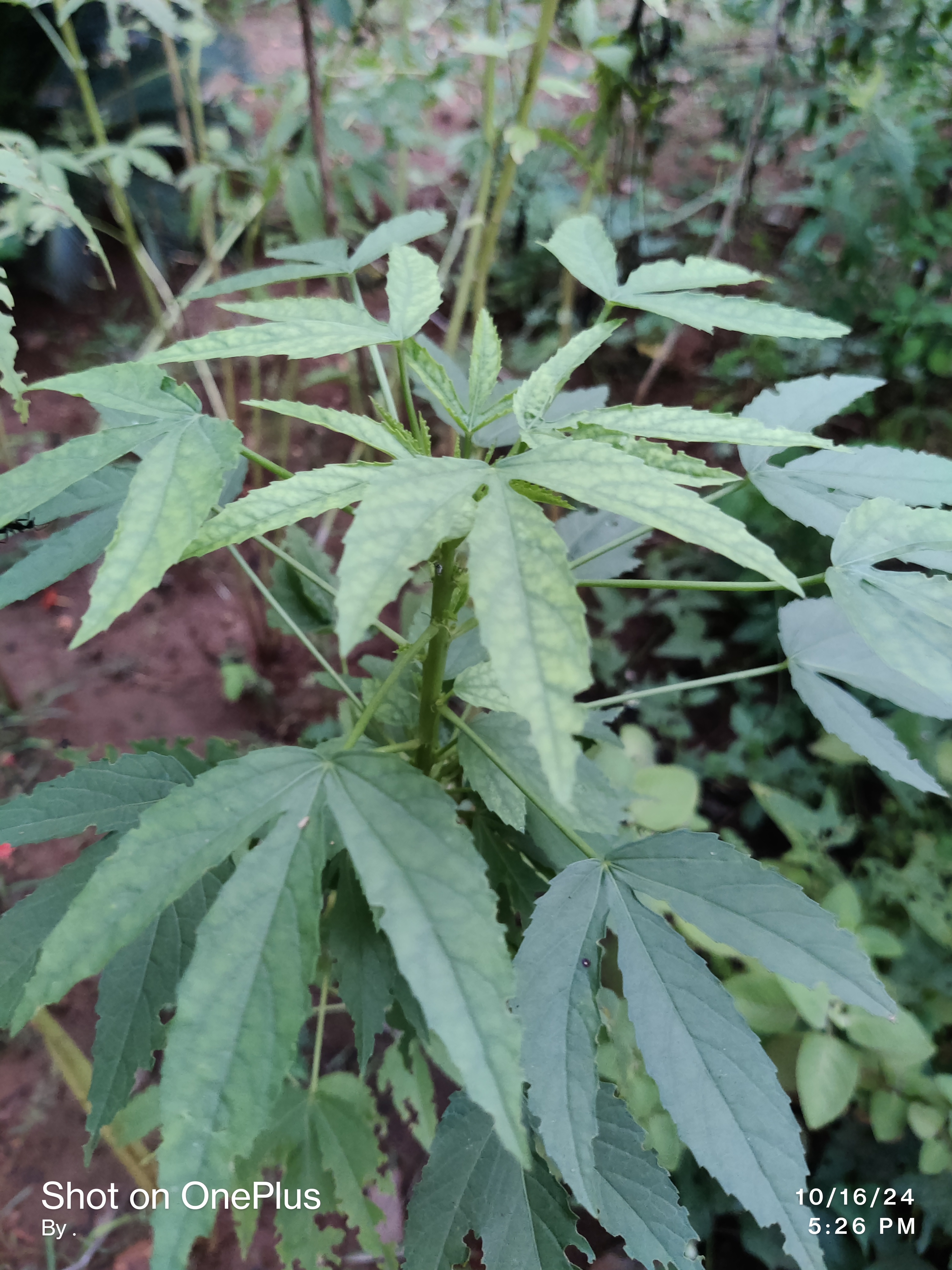
Kenaf is closely related to cotton, okra, hollyhock, and roselle. The plant is characterized by a single, straight, unbranched stem with a thin outer bark layer (bast) and a wood-like core. Its extensive tap root system grows laterally, making the plant drought tolerant. Kenaf flowers are 8-10cm in diameter with 5 light yellow to purple petals. They are bell-shaped with a wide-open corolla. Kenaf leaves are edible and contain a high percentage of digestible protein, making it a popular option for raw or boiled greens.
The plant can be found in cultivated land, old gardens, dikes between irrigated fields, ridge tops in shallow soil, rocky fissures, talus, open grassland plains, savannah, flood plains, seasonal swamps.
Papermaking/Natural Dye Uses and Processes
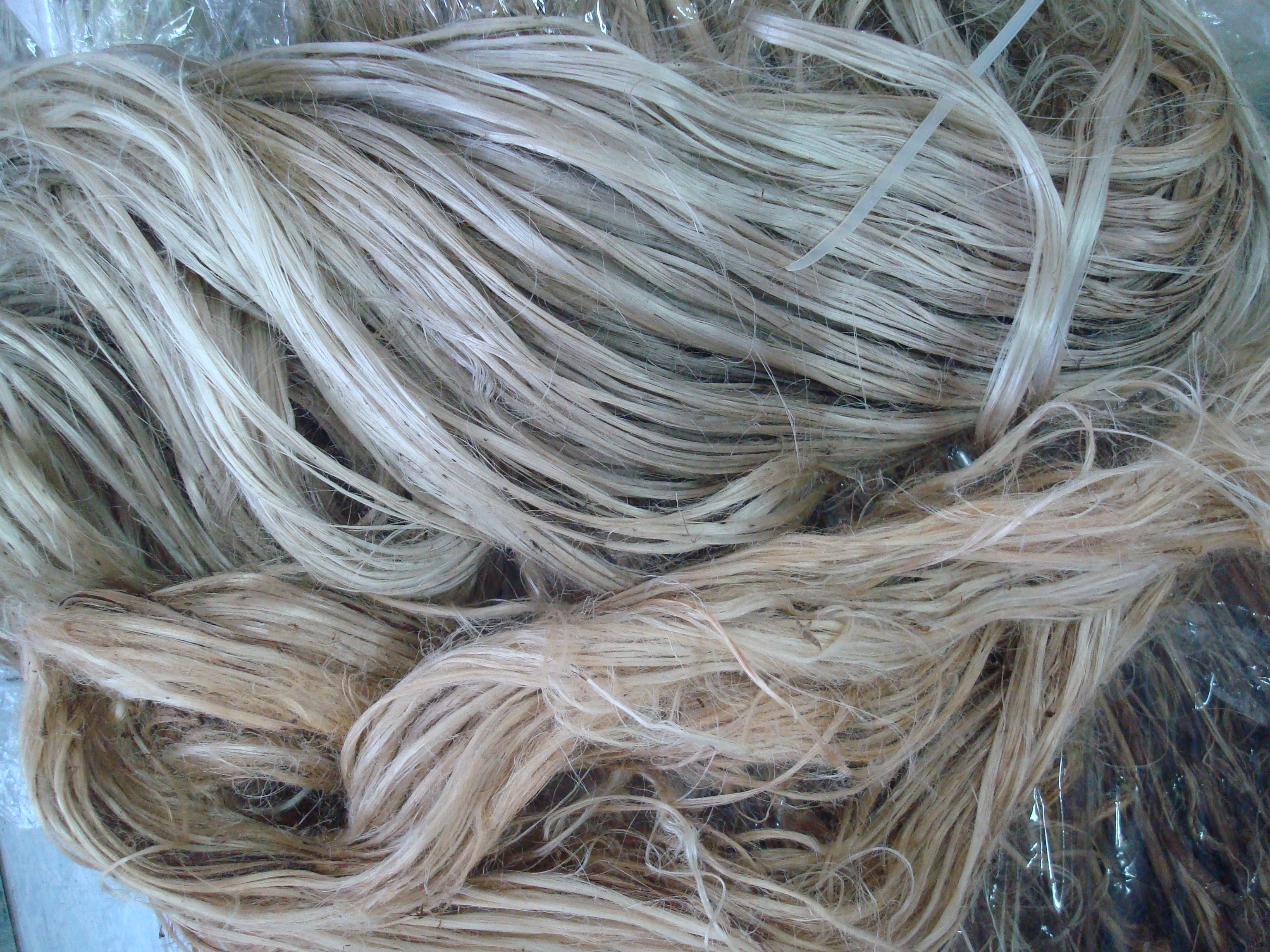
Fiber from kenaf comprises the outer bast fibers and the inner core (wood) fibers. Fiber is processed in a similar manner to paper mulberry plants in the Moraceae family.
Fiber Processing: Bark is more easily stripped during spring/early summer months when sap flow is at it's height and allows for easier debarking. Parallel incisions are made in the branches and the bark is removed in long strips. Or a circular cut is made at the branch top and bottom with one long cut down the length of the branch. The bark is lifted up at the lengthwise cut and then peeled from the branch. Outer bark is soaked for 24 hours until the inner and outer bark can be separated. The outer bark is then scraped to remove outer brown & green layers leaving the white fiber. Fiber may then be dried. If dried, fiber should be soaked 24 hours before cooking
After soaking, dried fibers are boiled in ash water (or solution of lye, soda ash or lime) for 2–6 hours to soften them, then rinsed until water is clear. PH strips can be used to monitor the removal of cooking chemical. Use proper protective coverings when handling cooking chemicals and solutions. Recommended to cook outdoors or in very well ventilated area on an electric burner. Whenever preparing paper fibers designate a pot, utensils and measuring implements solely for fiber cooking. After cooking, fiber is then beaten into pulp. Kenaf is a strong fiber and it is recommended to Hollander beat.
History and Culture
Kenaf grows wild in Africa, where it was also cultivated as a fiber crop for 6000 years. Now it is widely cultivated in other areas of the world, not only for its fiber but also as an oil crop and a food and medicinal plant. Kenaf is also known as mesta (India, Bengal), stockroot (south Africa), Java jute (Indonesia), and ambari (Taiwan). In 1960, the USDA singled out kenaf from among 500 plants as the most promising non-wood fiber alternative for pulp and papermaking. Experiments in producing kenaf as a raw material for pulp in the United States showed that the unit costs could be about half that of producing pulpwood and would produce three to five times as much dry materials for pulping per unit of land annually.