Elderberry
( Sambucus Spp. )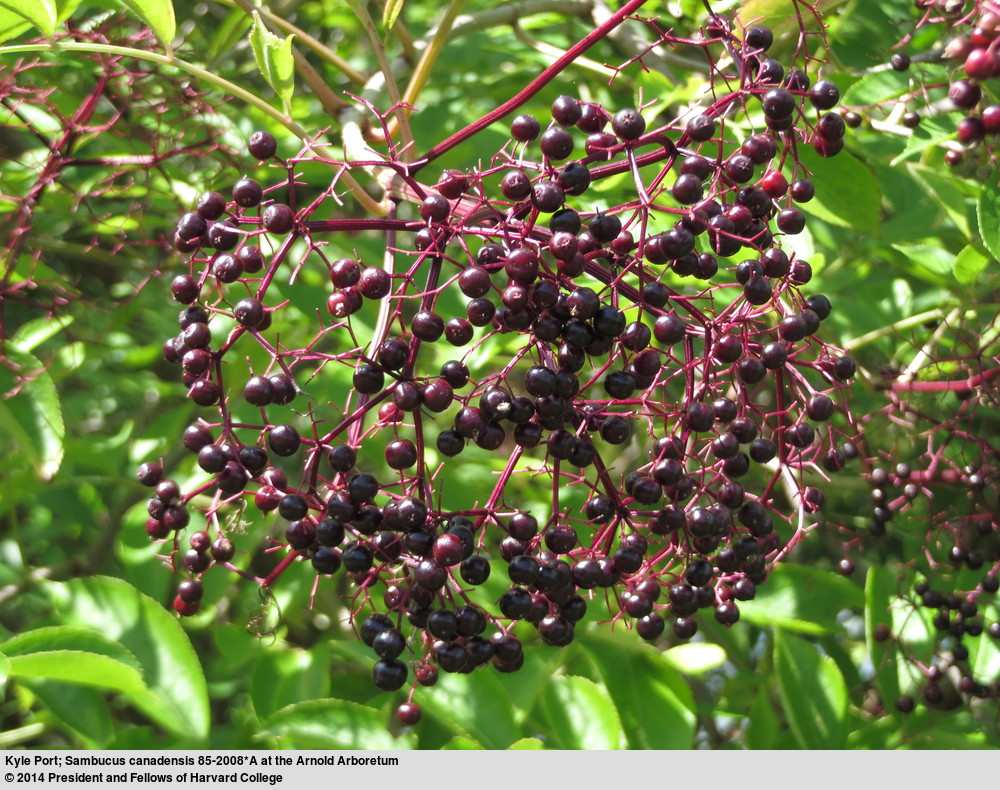
Quick Facts:
Planting and Care
Light: partial to full sun
Soil: moist, well-drained
Elderberry is well suited to naturalized areas, hedges, woodland gardens, and streamside or pond plantings, and serves as effective erosion control in moist sites. It is a valuable plant for pollinators, native bees, and wildlife; birds enjoy the fruit, and arching branches provide nesting habitat. Native bees nest in the hollow stems, so dead stems should be cut back to 12–24 inches and left standing until they naturally disintegrate. The plant spreads by root suckers and can form thickets if suckers are not managed. It has some susceptibility to canker, powdery mildew, leaf spot, borers, spider mites, and aphids, and its branches can be damaged by high winds, heavy snow, or ice.
Botanical Information
Height: 5 - 12ft
Spread: wider than it is tall
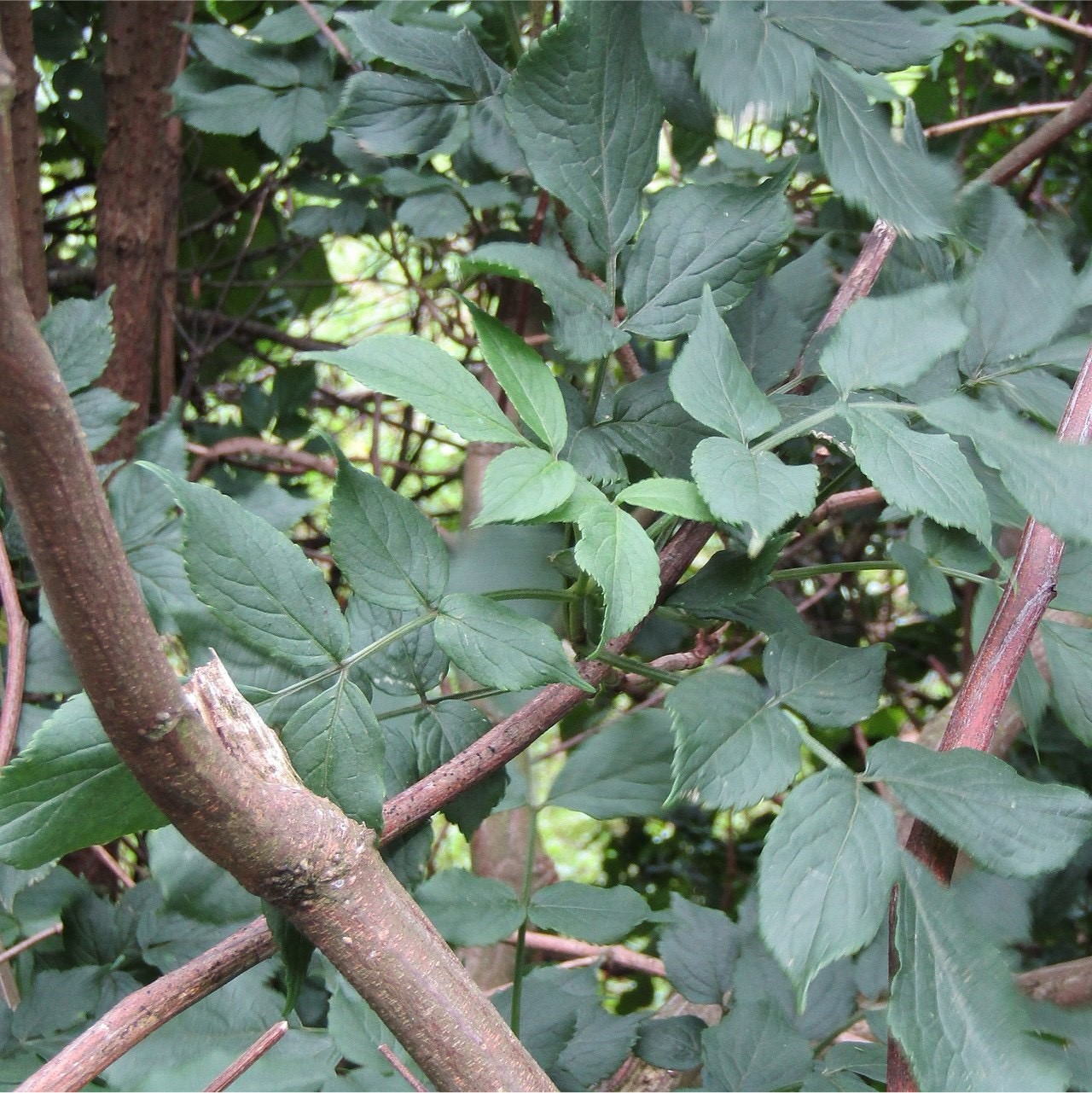
The bark is yellowish-gray to grayish-brown with a white pith. Leaves are pinnately compound with 5 to 11 leaflets, measuring 2 to 6 inches long and ½ to 2½ inches wide, with sharply serrated margins.
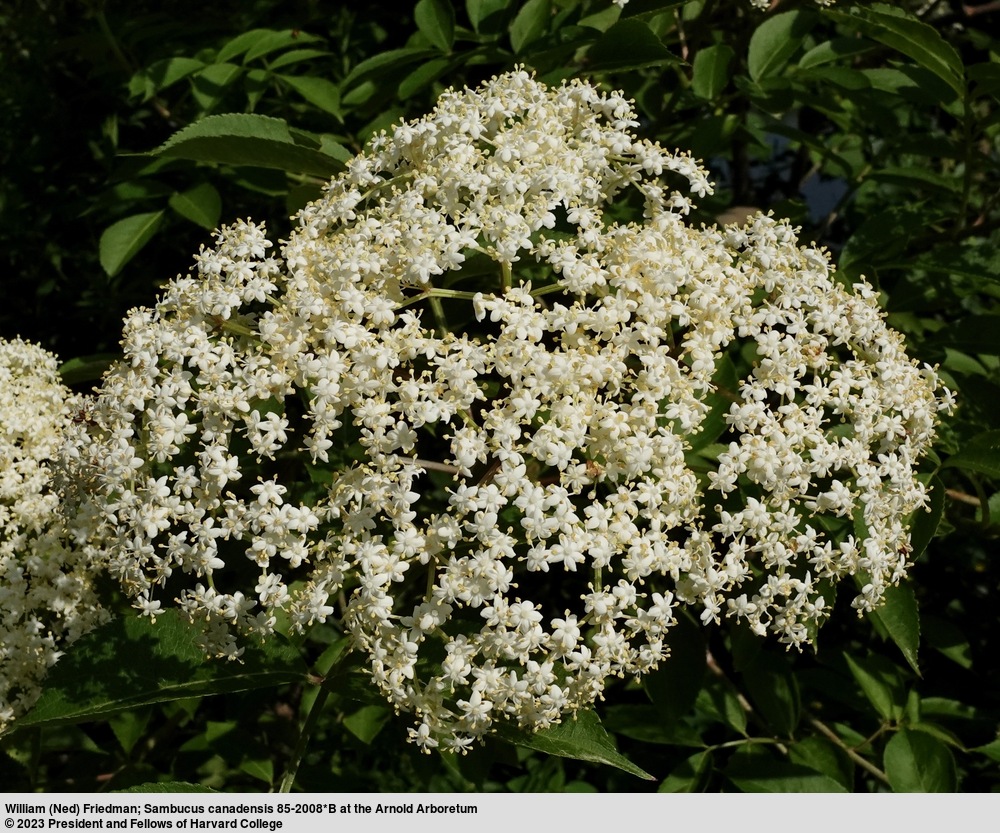
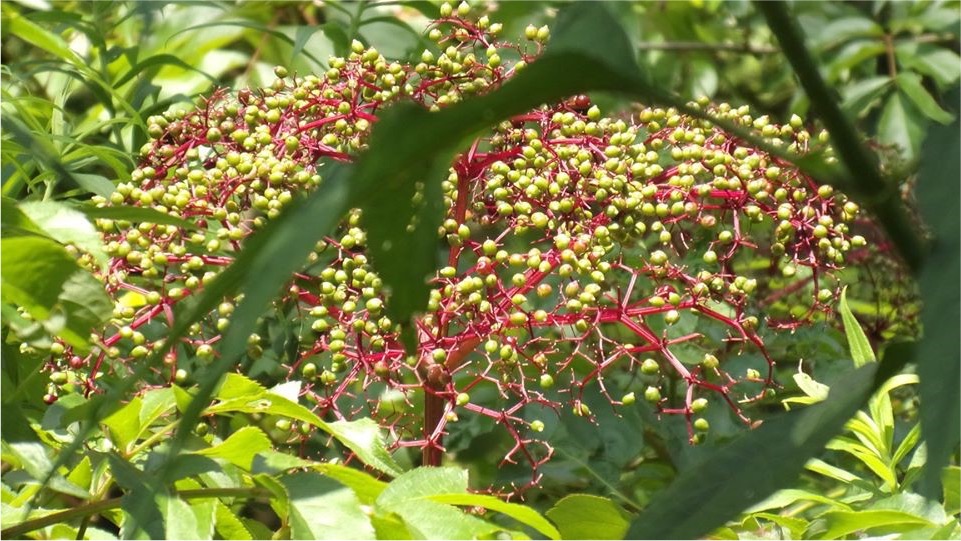
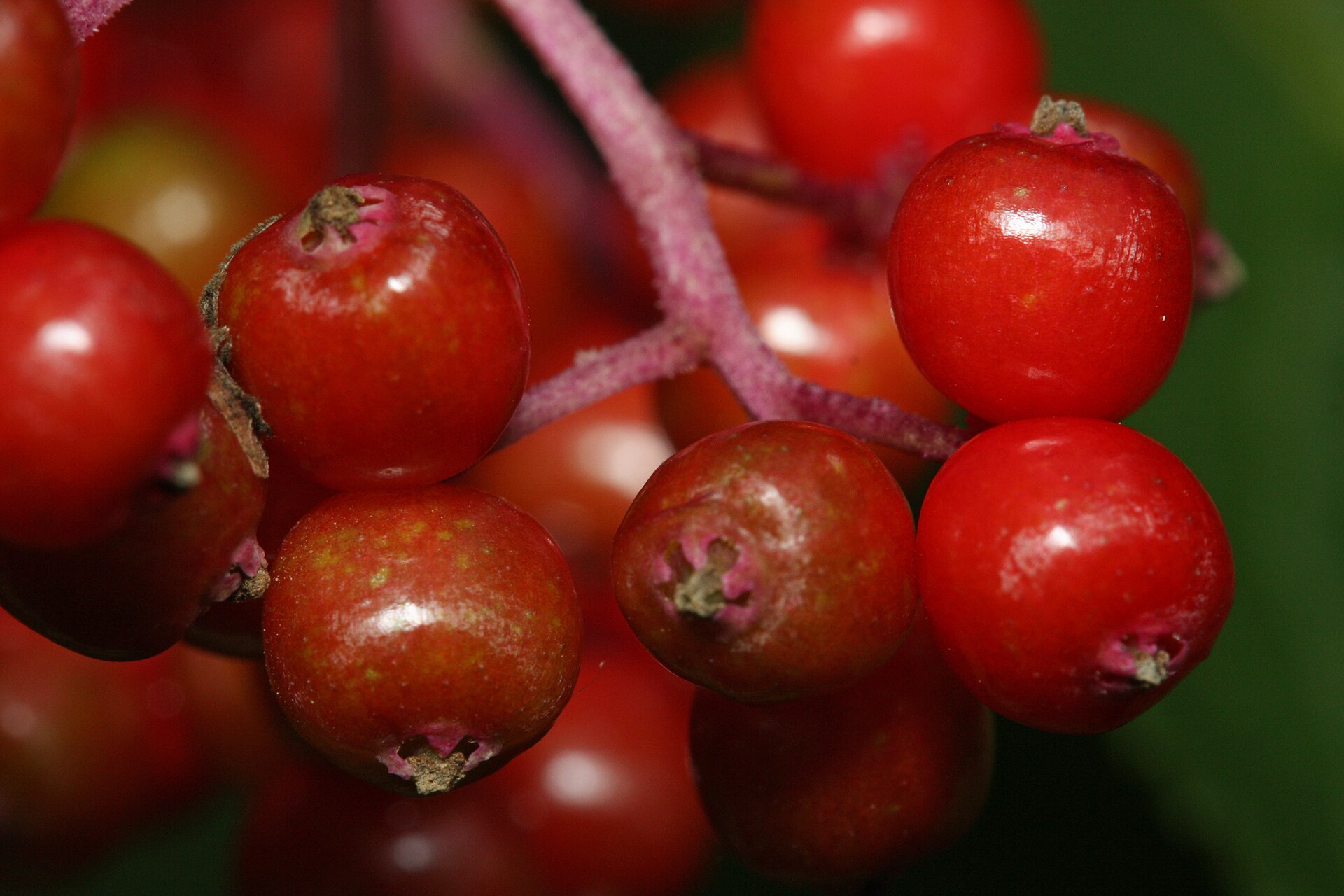
Clusters of fragrant, creamy-white flowers appear in flat-topped or rounded, frothy-looking arrangements, followed by drooping clusters of rounded, purplish-black drupes from late summer through fall.
Papermaking/Natural Dye Uses and Processes
Crushed elderberries produce a dark blue-purple dye, though it will fade with sunlight and washing without a mordant. When harvesting berries for dye, cutting whole sprigs with scissors is recommended over picking individual berries, both for convenience and to leave sufficient fruit for wildlife. If harvesting flowers, enough should be left on the plant to develop into berries.
To prepare the dye, remove the berries from the stems and crush them. Then bring them to a gentle simmer for about an hour. The dyestuff can be strained and applied to paper by dipping, spraying, or painting. A mordant like alum or iron oxide is used to fix the color, which is usually applied between each coat of dye. Modifiers can shift the colors: Washing soda shifts the color to green, and citric acid or vinegar shifts the color more red. Iron shifts the color to a deeper purple.
To process the elder bark, start by soaking it in water for seven days, and then bring the mixture to a boil for 1-2 hours. Strain the mixture and then use for dyeing.
Whenever preparing natural dyes it is recommended to designate a pot, utensils, and measuring implements solely for dye purposes. Use proper protective coverings when handling cooking chemicals and solutions. It is recommended to cook outdoors or in very well ventilated area on an electric burner.
History and Culture
The fruit is edible when cooked and is used in pies, pancakes, and jellies. Both the flowers and fruit are used in winemaking, and the flowers are commonly made into cordials.