
The Innovation of Embossed Paper
Antiquity
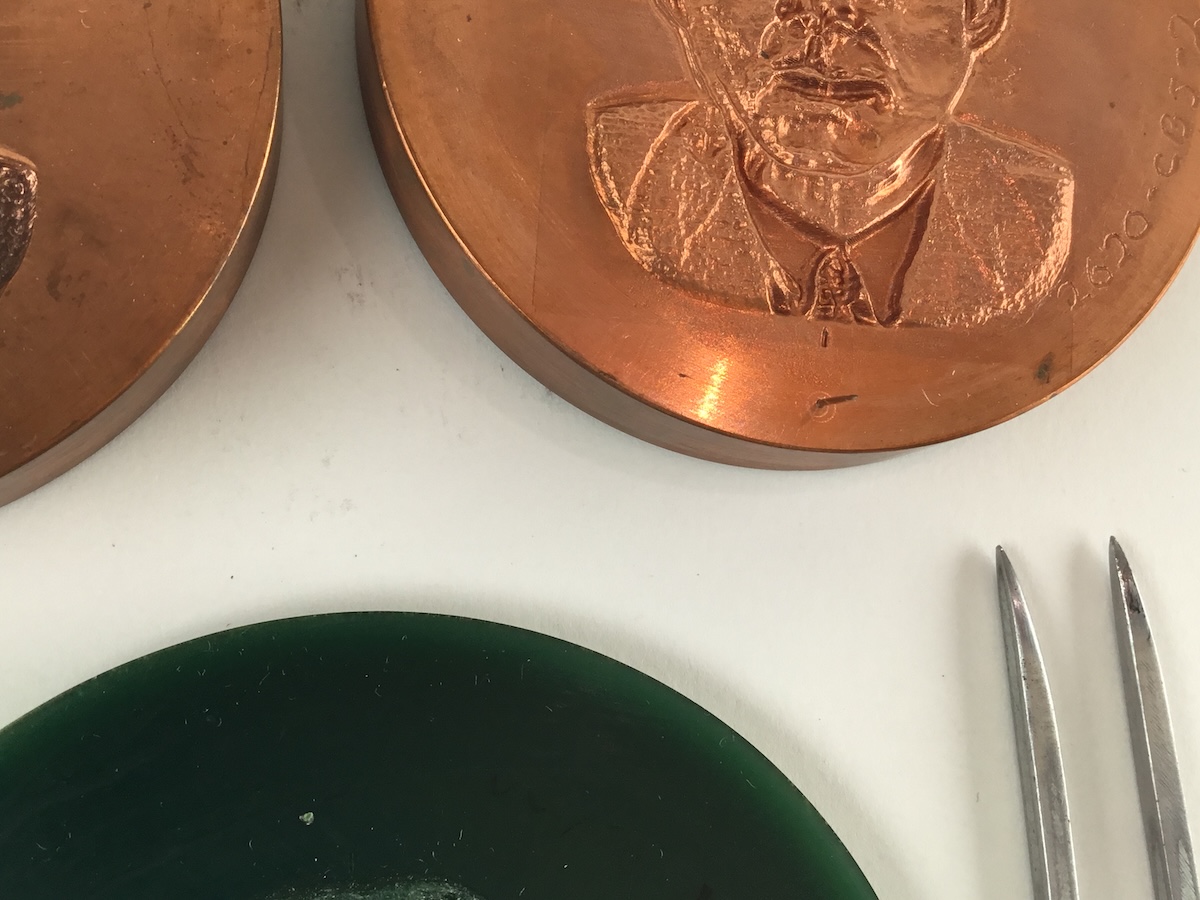
Embossing can be traced to Ancient India and Egypt through the forms of embossed leather and metals. At the time, these embossed goods were status indicators and aesthetic choices.
Evidence of embossing spans to the 3rd century BC in India, where the process was primarily used to stamp intricate designs onto metal, such as water vessels. Ancient Egyptians also practiced early forms of embossment by pressing patterns onto leather and metal. This practice was used primarily for aesthetics, but also started to signify a sense of authority due to its royal connotation.
Renaissance Period
The beginnings of widespread embossing on stationary and religious text came about by the 15th century.
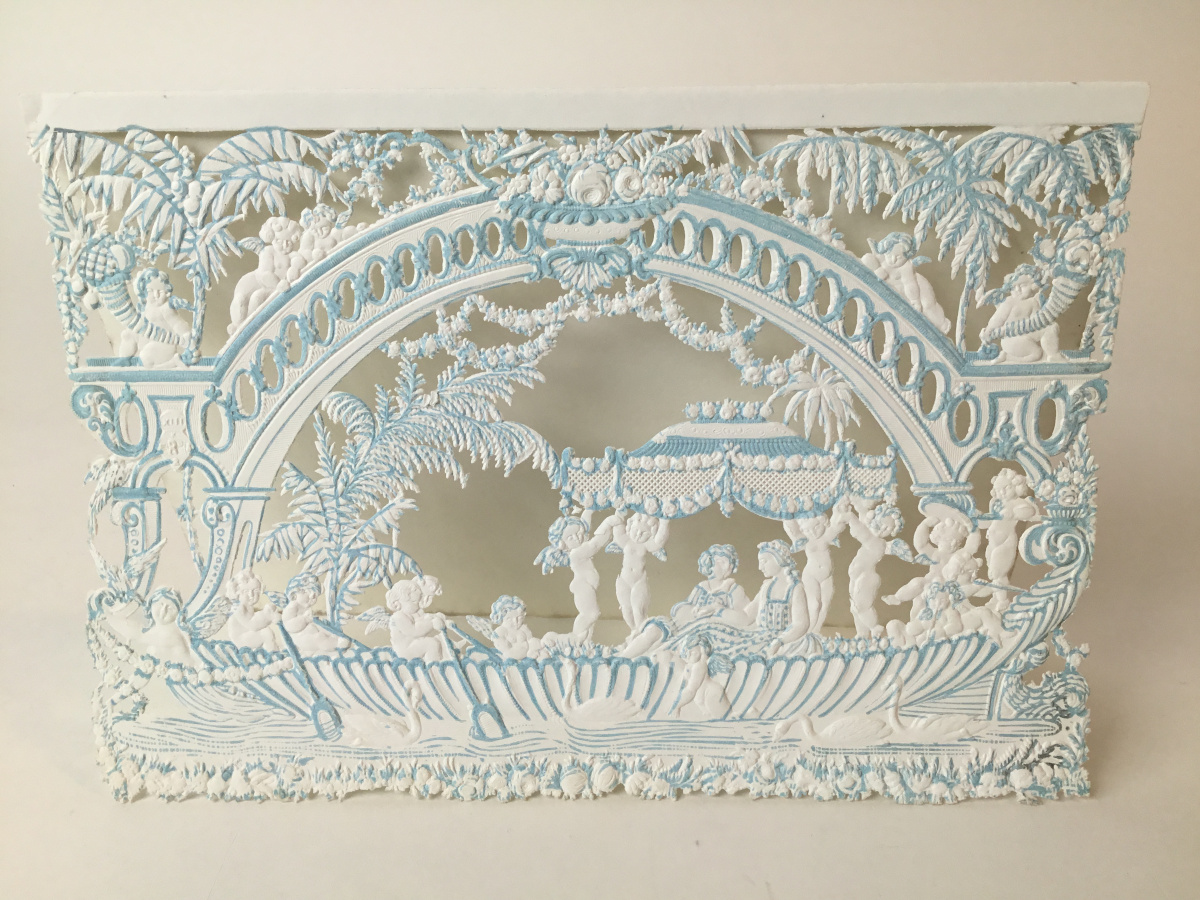
Throughout the Renaissance period, the use of embossing techniques on leather book covers by churches and monasteries to adorn religious texts. Additionally, embossing on coins was a common practice to prevent currency fraud. Sometime between the 15th and 17th centuries, mechanical embossing replaced manual stamping.
By the 15th century, heated stamping plates were used to create custom decorative stationery. This technique was mainly used to signify the noble or knight class.
Rise of Printing and Embossing Production
With the rise of industrialization, embossing on paper rather than leather or metal became more widespread.
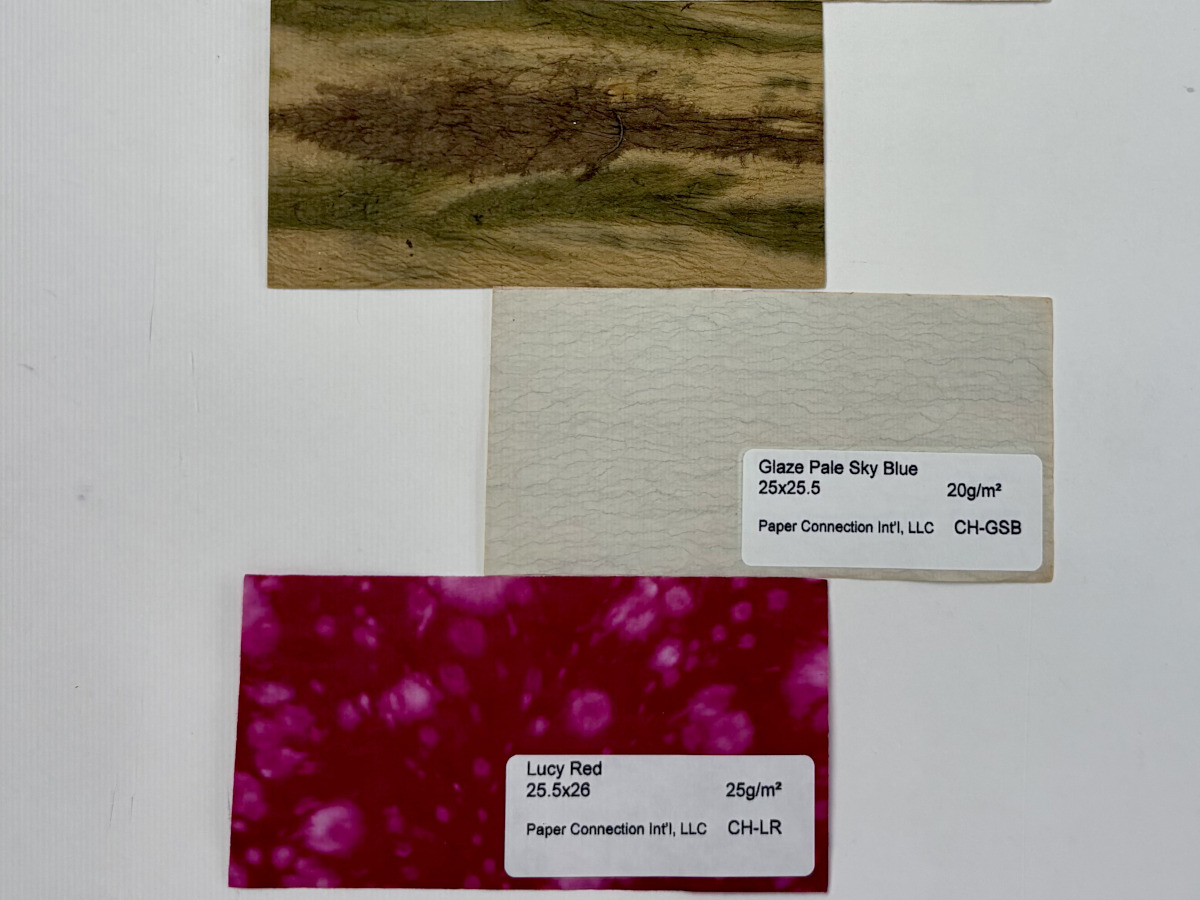
Increased automation in printing and die-cutting, the process in which embossing plates are made, led to inexpensive to mass production of embossed cards. The Uniform Penny Post was also established around this time, which allowed for people to send cards at a flat-rate of 1 cent. Machine-made paper also lowered material costs, as paper became less costly in time and money to produce. In 1834, English businessman Joseph Addenbrooke would develop a lace-like embossing method that was used primarily for greeting and valentines cards.
The development of the Uniform Penny Post coupled with the lost cost of making and embossing paper led to the increased usage of greeting and Valentines cards being exchanged.
Modern Era
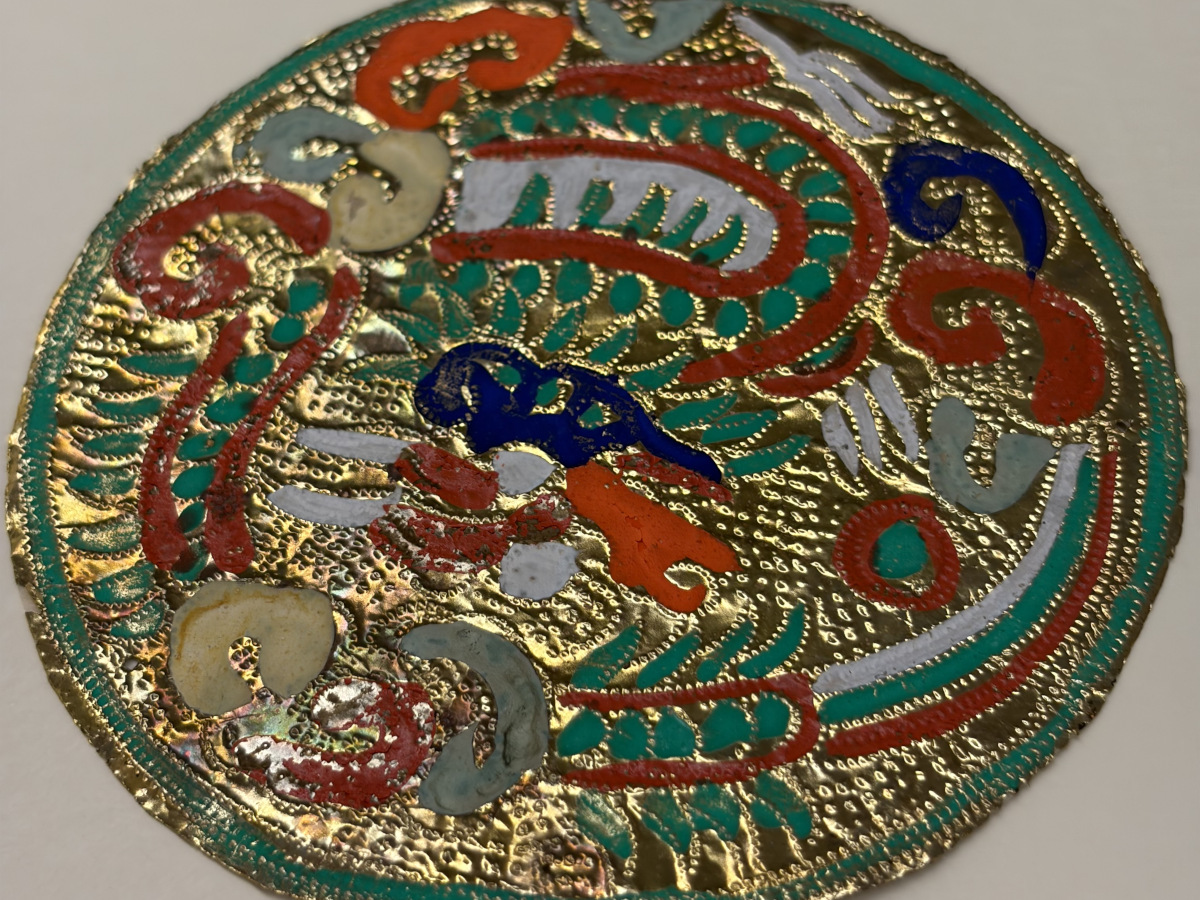
In the twenty-first century, embossed materials underwent a revival, as they reappeared en masse in various stationery for design purposes.
In 2021, the German iF design award was given for embossing on a water bottle to replace traditional labels, which is an aesthetic but also eco-friendly choice.
Embossing for accessibility has also been extended to design, as seen with Ann Cunningham’s embossed images in children’s books. These developments have helped accessibility be at the forefront of design, while also allowing us to better understand the way that people with unique sensory experiences perceive the world.